On January 21, 2026, the world watched as President Donald Trump, speaking from the World Economic Forum in Davos, performed a sudden about-face. After days of threatening 10% tariffs against eight European allies to pressure them into a “deal” for Greenland, he announced a “framework” of agreement with NATO Secretary General Mark Rutte and scrapped the February 1 deadline. While the immediate sigh of relief from global markets is palpable, this episode serves as a chilling reminder of the fragility of the current world order. The fact that the global economy can be brought to the brink of chaos by the shifting moods of a single national leader is a systemic failure. To ensure lasting stability, we must move beyond the era of “national whims” and empower the United Nations to regulate international trade, lead with a powerful Secretary General, and act as a true “giant” for humanity.
The Tyranny of Unpredictability
The “Greenland Standoff” of early 2026 highlights the inherent danger of a world held hostage by unilateralism. When a national leader can use trade—the lifeblood of modern civilization—as a coercive tool against allies, the concept of a “rules-based order” becomes a fiction. Whether the threat is withdrawn or enacted is secondary to the fact that the threat was possible in the first place.
Global commerce requires long-term planning, investment, and trust. These are impossible when a single post on social media can invalidate years of treaty-building. The international community cannot continue to live in a state of “strategic whiplash,” waiting to see if the next meeting in Davos or Mar-a-Lago will result in a trade war or a “great deal.”
A Mandatory Role for the UN in Trade
Currently, international trade is governed by a patchwork of bilateral agreements and the World Trade Organization (WTO), which lacks the enforcement teeth to restrain a superpower. We must transition this power to the United Nations.
- Standardization over Sanctions: The UN should have the authority to set and enforce global tariff floors and ceilings, preventing any nation from using trade as a weapon of geopolitical extortion.
- Binding Dispute Resolution: Trade conflicts should not be settled through “frameworks” reached behind closed doors by two men; they should be adjudicated by a UN body with the power to levy automatic, binding penalties on any nation that violates international economic norms.
The Need for a “Giant” at the Helm
The vision for a reformed United Nations must include a radical restructuring of the Office of the Secretary General. The current process for selecting the successor to António Guterres, whose term ends this year, is the perfect moment for this transition. The world does not need another “chief administrative officer”; it needs a leader who wields more power than any individual head of state.
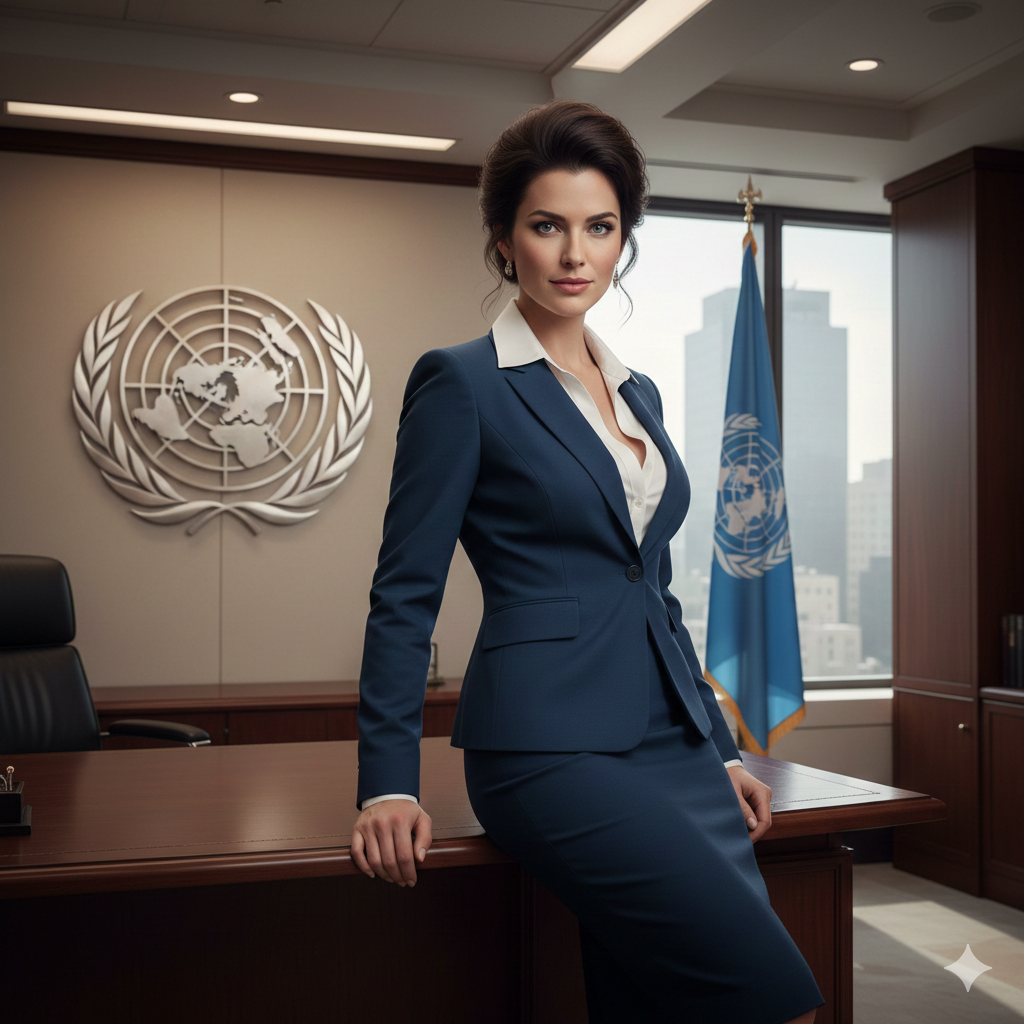
For the UN to truly safeguard humanity, the Secretary General must be a “giant”—not merely in moral stature, but in legal and executive authority. This leader, who may very well be a woman, should have the final say over international security and economic stability. By elevating the Secretary General to the world’s most powerful position, we shift the focus from the narrow interests of “America First,” “China First,” or “Europe First” to a “Humanity First” doctrine.
Conclusion
The de-escalation of the February 1 tariffs is not a victory for diplomacy; it is a symptom of a broken system. It proves that the peace of the world currently rests on the personal temperament of individuals rather than the strength of institutions. To prevent the next crisis, the UN must be granted the teeth to regulate the global market and the leadership to stand above the fray of national politics. We need a global “giant” to protect us from the “giants” of nationalism.