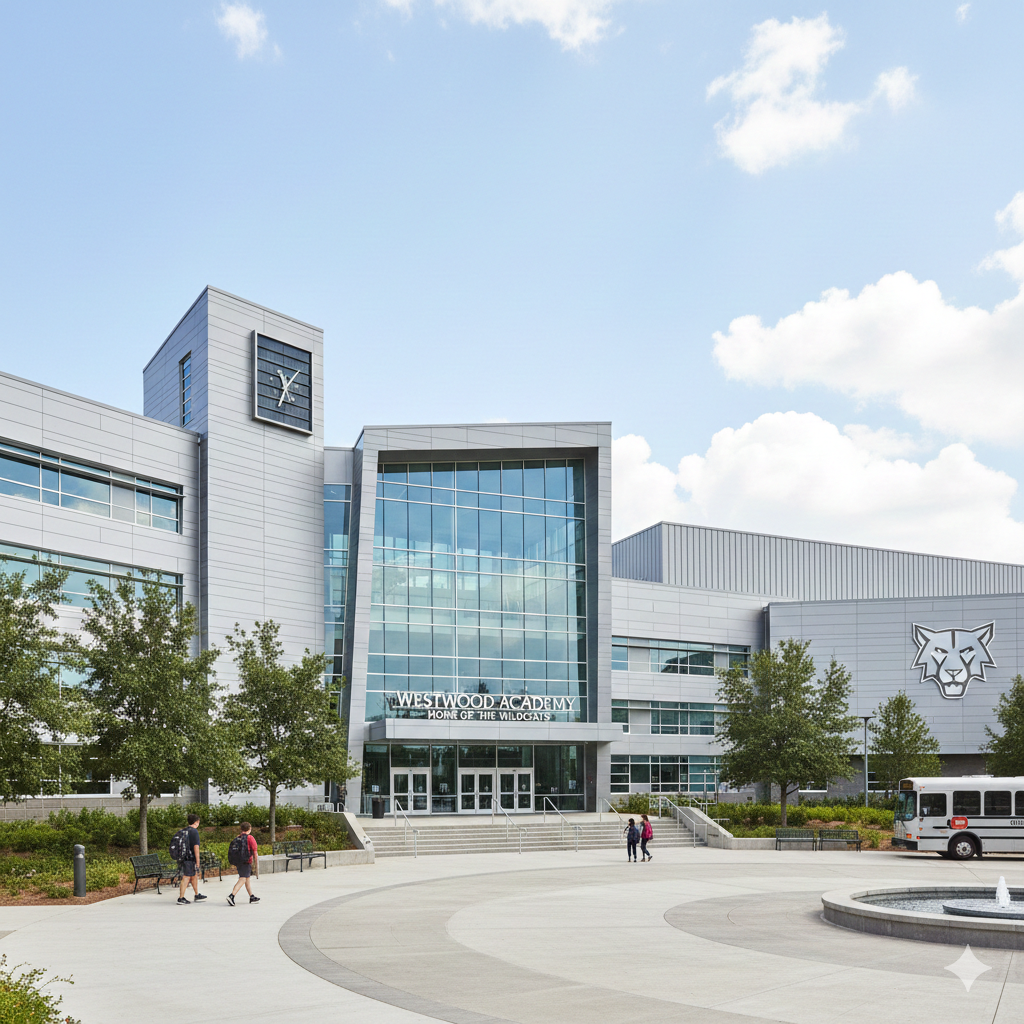
The Erosion of Public Education: Why School Vouchers Are Detrimental
School voucher programs, often touted as a means of increasing “school choice” and fostering competition, fundamentally fail to deliver on their promises. By redirecting public tax dollars away from established public school systems into private, often religious, institutions, these programs create a cascade of detrimental effects. The primary arguments against school vouchers rest on three pillars: the fiscal harm they inflict on public schools, the questionable or even negative impact they have on student academic performance, and the erosion of accountability and civil rights protections for students.
The most direct and immediate consequence of vouchers is the financial strain they place on public school districts. Public schools rely on per-pupil funding; when a student leaves a public school using a voucher to attend a private institution, the public school loses that segment of funding. However, the school’s fixed costs—such as maintaining facilities, paying administrative staff, and covering utilities—do not disappear. This loss of revenue, which can be significant, means that the remaining students and teachers are left to shoulder the costs of these fixed expenses with fewer resources. In essence, vouchers compel local districts to make budget cuts, often leading to larger class sizes, fewer specialized programs (like art, music, or vocational training), and the reduction of essential support staff, thereby worsening the conditions for the majority of students who remain in the public system.
Furthermore, research increasingly demonstrates that vouchers do not consistently translate into improved academic outcomes for students who utilize them. While proponents argue that competition forces all schools to improve, numerous rigorous studies of voucher programs in states like Louisiana, Indiana, and Ohio have shown that students transferring to private schools using vouchers often experience academic losses, particularly in mathematics, compared to their public school counterparts. In some cases, the academic decline has been likened to the learning loss associated with natural disasters. These negative results suggest that many private schools accepting vouchers lack the educational quality, state-mandated accountability measures, or resources—such as certified teachers and specialized facilities—necessary to provide a superior or even comparable education to public institutions.
Finally, the lack of public accountability in voucher programs poses significant risks to students. Private schools accepting public funds via vouchers are generally not subject to the same strict regulations as public schools. This includes exemptions from state curriculum standards, testing requirements, and, critically, federal civil rights laws like the Individuals with Disabilities Education Act (IDEA) and the Americans with Disabilities Act (ADA). This lack of protection means that private schools can, and often do, deny enrollment to students with complex special needs or expel students who do not conform to their behavioral or religious codes. Moreover, the vast majority of voucher funds are directed toward religious schools, raising serious constitutional questions about the separation of church and state, as taxpayer money is used to subsidize religious instruction and potentially discriminatory policies. By siphoning funds and students away from the public system, vouchers exacerbate inequality, undermine essential civil rights protections, and weaken the foundational institution responsible for educating all children, regardless of background or need. The pursuit of “choice” through vouchers ultimately compromises the quality and equity of education for the public good.