Categories
Conflict Power Social Issues

Don’t Forget About Gaza

As we enter 2026, the global news cycle has moved with its characteristic and often cruel velocity. The headlines are dominated by domestic debates over ICE, the geopolitical maneuvers surrounding Greenland, and the surge of international protests. Yet, beneath the noise of these newer crises, a silence has settled over the Gaza Strip—a silence that must not be mistaken for peace.

The “Gaza issue” is far from resolved. Despite the fragile ceasefire that took hold in late 2025, the reality on the ground remains a testament to human suffering and political stagnation. To forget Gaza now is to abandon millions to a cycle of poverty, rubble, and “managed” violence that offers no path toward a dignified future.

Categories
Conflict Power Social Issues

Donald Trump and the Serious Erosion of Trust

The presidency of Donald Trump has fundamentally altered the concept of “trust” in modern governance, replacing a system of stable, value-based expectations with one defined by transaction and unpredictability. This erosion of trust operates on two fronts: internationally, where the bedrock of the transatlantic alliance has been shaken, and domestically, where the legitimacy of the administrative state and the democratic process itself has been called into question.

Categories
Education Power Social Issues

Women in the “Driver’s Seat”!

In recent decades, a quiet but profound transformation has occurred on the asphalt of our highways and the upholstery of our daily commutes. The sight of a woman behind the wheel with a man in the passenger seat—once a rarity or a temporary arrangement—has become a standard tableau of modern life. This shift is more than a change in driving habits; it is a visible manifestation of a deep socio-economic inversion. As women outpace men in educational attainment and earning power, the traditional hierarchy of the household is being reordered. Men are metaphorically “shrinking” in the shadow of this progress, becoming “smaller” and “smaller” in the social and financial landscape until they stand before the modern woman only a “few inches tall”.

Categories
Education Power Social Issues

Education is Slowly Turning Women into “Giants”!

The traditional landscape of global power is undergoing a seismic shift, driven by a quiet but relentless revolution in the halls of higher education. As women continue to outpace men in the acquisition of advanced degrees, we are witnessing the emergence of a new social and professional hierarchy. This essay explores the concept of women as “intellectual giants” and the inevitable future where this academic dominance translates into total leadership in governments and corporations.

Categories
Education Power Social Issues

A Changing World and What the Future May Bring

The global social landscape is undergoing a profound transformation. What began as a movement for basic legal rights has evolved into a rapid acceleration of female achievement across education, economics, and governance. This shift is not merely a closing of the gap; in many sectors, women are surpassing their male counterparts at a pace that suggests a fundamental restructuring of societal leadership.

Categories
Conflict Power Social Issues

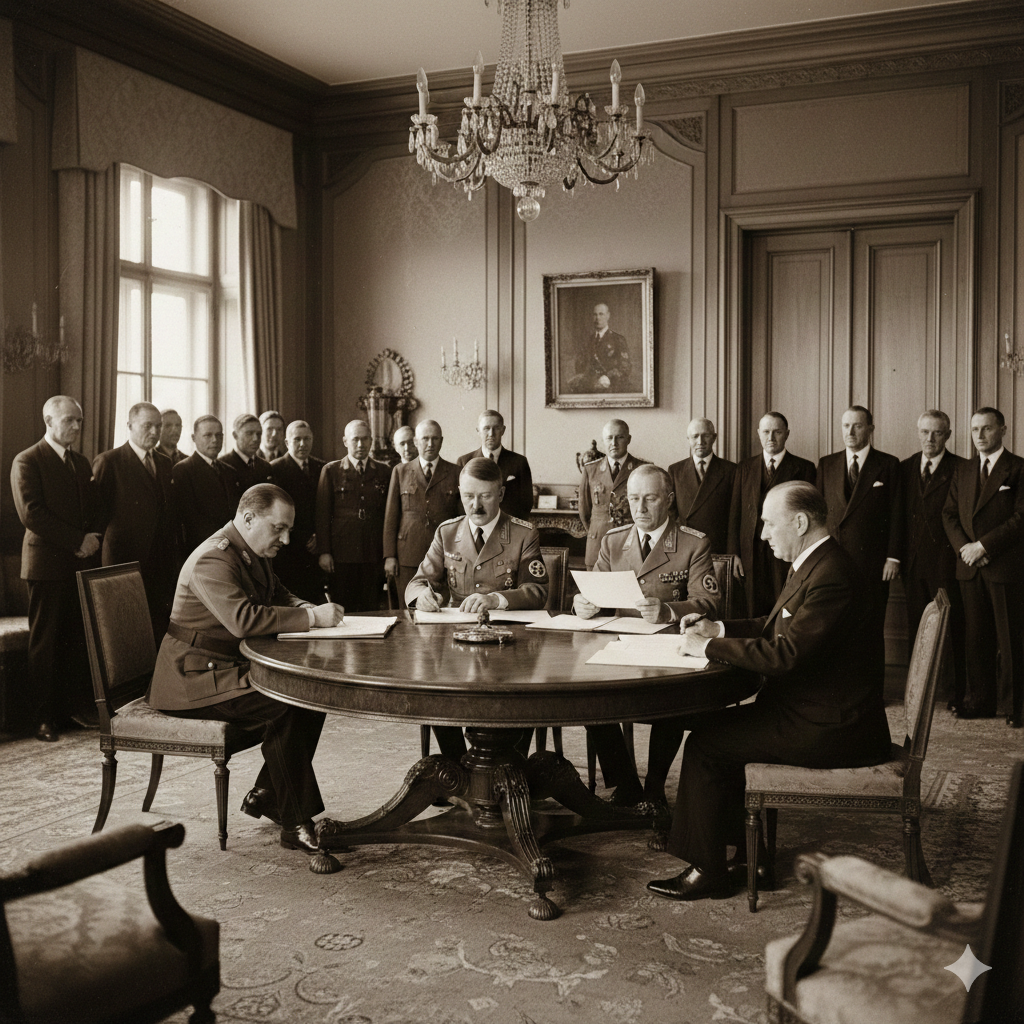
Is this Munich all over Again?

The Shadows of Davos: Will the Greenland Accord Mirror Munich?

The announcement today in Davos of a “framework” agreement between President Trump and European leaders—purportedly ending the immediate threat of 10% to 25% tariffs in exchange for a “future deal” on Arctic security and Greenland—has been met with a collective sigh of relief from global markets. On the surface, the “trade bazooka” has been holstered, and the specter of a trans-Atlantic trade war has receded. However, for those with a sense of history, the atmosphere feels uncomfortably familiar. One cannot help but look at this “framework” and hear the faint, haunting echoes of the 1938 Munich Agreement.

While the geopolitical stakes of 2026 are not an exact mirror of the 1930s, the structural parallels are unsettling. Today, we must ask: Is this truly a blueprint for a stable Arctic, or is it merely “peace in our time”—a temporary reprieve that emboldens future aggression?

Categories
Economics Power Social Issues

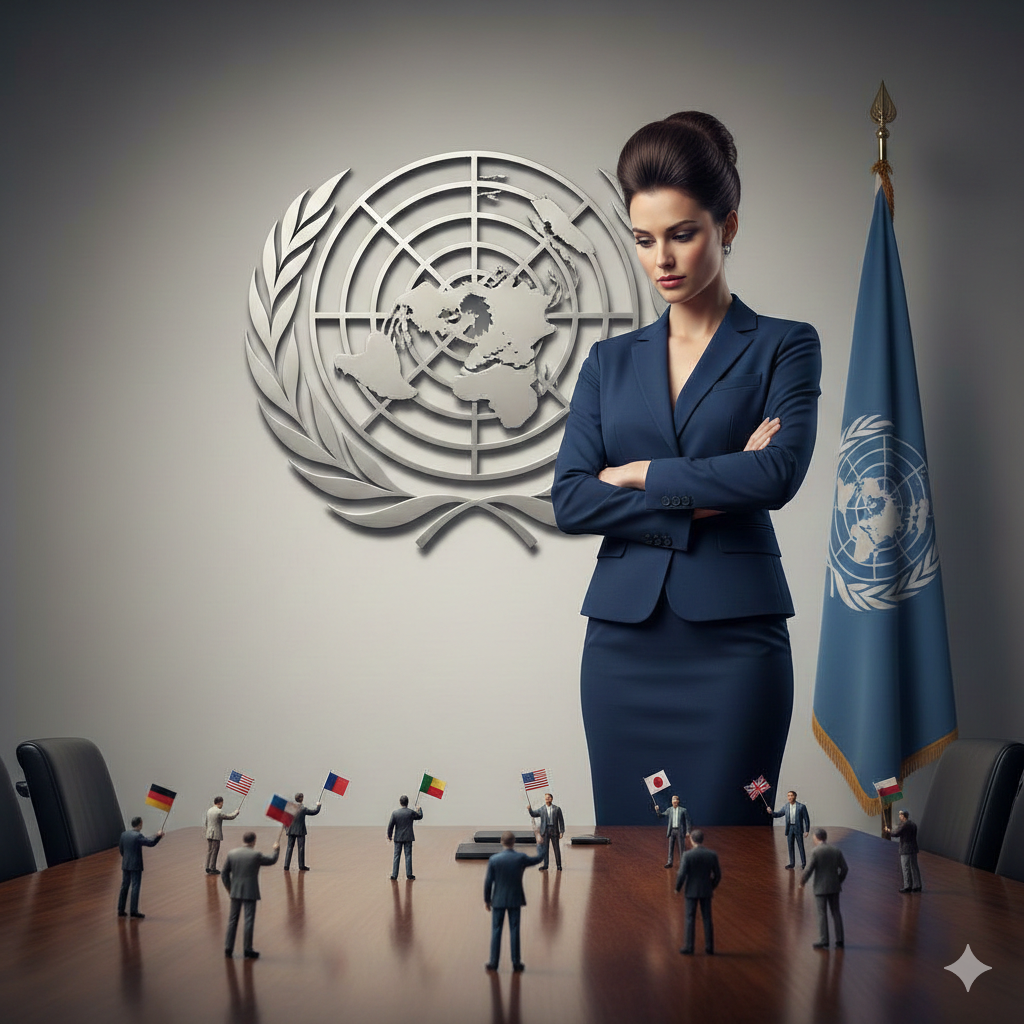
United Nations Secretary General and a New World Order

On January 21, 2026, the world watched as President Donald Trump, speaking from the World Economic Forum in Davos, performed a sudden about-face. After days of threatening 10% tariffs against eight European allies to pressure them into a “deal” for Greenland, he announced a “framework” of agreement with NATO Secretary General Mark Rutte and scrapped the February 1 deadline. While the immediate sigh of relief from global markets is palpable, this episode serves as a chilling reminder of the fragility of the current world order. The fact that the global economy can be brought to the brink of chaos by the shifting moods of a single national leader is a systemic failure. To ensure lasting stability, we must move beyond the era of “national whims” and empower the United Nations to regulate international trade, lead with a powerful Secretary General, and act as a true “giant” for humanity.

Categories
Conflict Economics Power

United Nations Power Must be Expanded and Increased

The Custodian of Sovereignty: Why the UN Must Decide the Fate of Greenland

In early 2026, the international community finds itself at a geopolitical crossroads. While President Trump has recently stepped back from threats of military force to acquire Greenland, the pivot toward “economic pressure”—including the weaponization of tariffs and coercive diplomacy—presents an equally grave challenge to global stability. To prevent the erosion of national sovereignty and the return of colonial-era land acquisitions, the United Nations (UN) must assert itself as the primary arbiter of Greenland’s fate. Furthermore, to safeguard the global economy from unilateral aggression, the power to regulate tariffs must be transferred from individual nations to the UN, establishing the organization as a “giant” capable of protecting the weak from the whims of the powerful.

Categories
Economics Environment Power

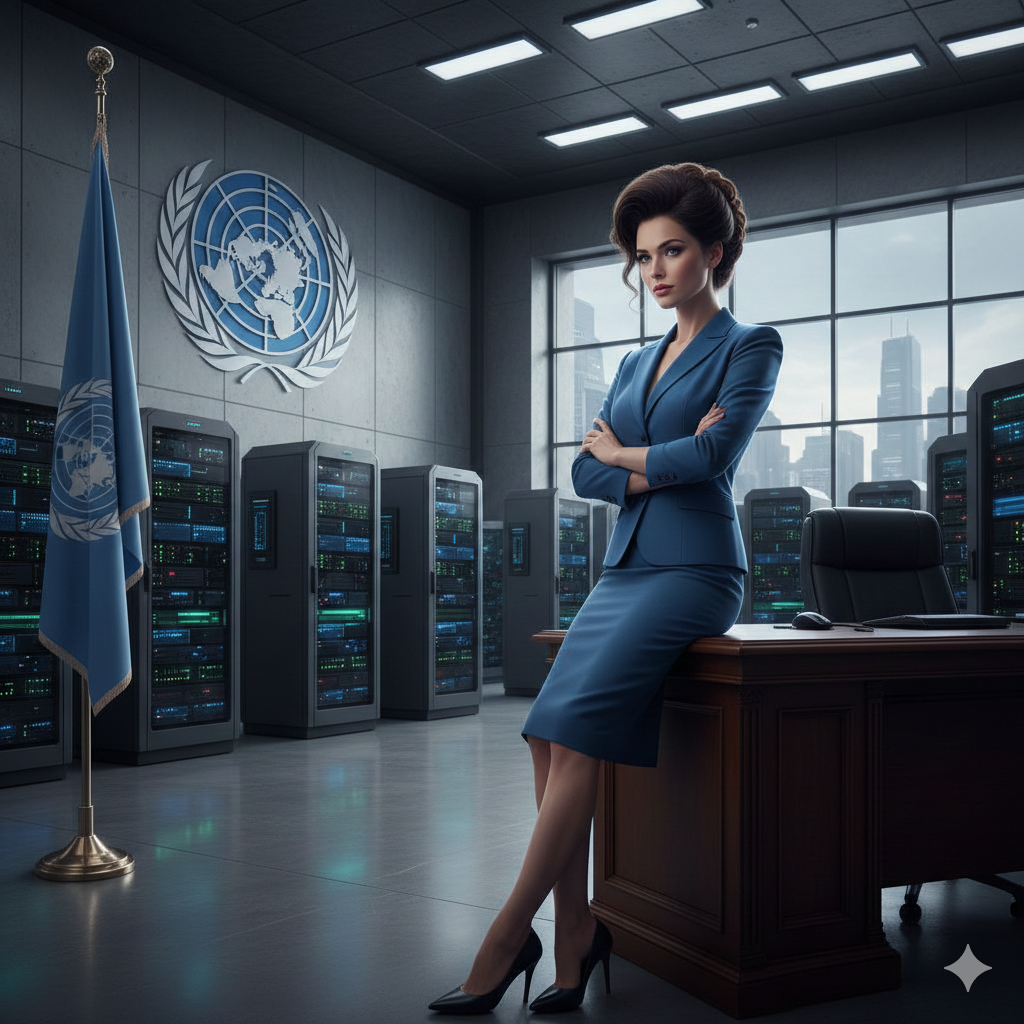
United Nations and the Impact of AI on the Environment

The Digital Cost of Intelligence: AI and the Global Environment

The rapid ascent of Artificial Intelligence (AI) has been hailed as the fourth industrial revolution, promising unprecedented efficiency and innovation. However, beneath the veneer of seamless digital interactions lies a physical reality with a staggering environmental price tag. As we move through 2026, the data confirms that AI is not merely a virtual phenomenon; it is a resource-intensive industry that strains global energy grids, depletes freshwater supplies, and accelerates the accumulation of toxic electronic waste. Because these environmental impacts cross national borders and involve the world’s most powerful multinational corporations, the solution cannot be found in a patchwork of local laws. Instead, the climate crisis fueled by AI requires a unified global response, necessitating the empowerment of the United Nations (UN) to regulate this “black box” industry for the survival of the planet.

Categories
Conflict Economics Power

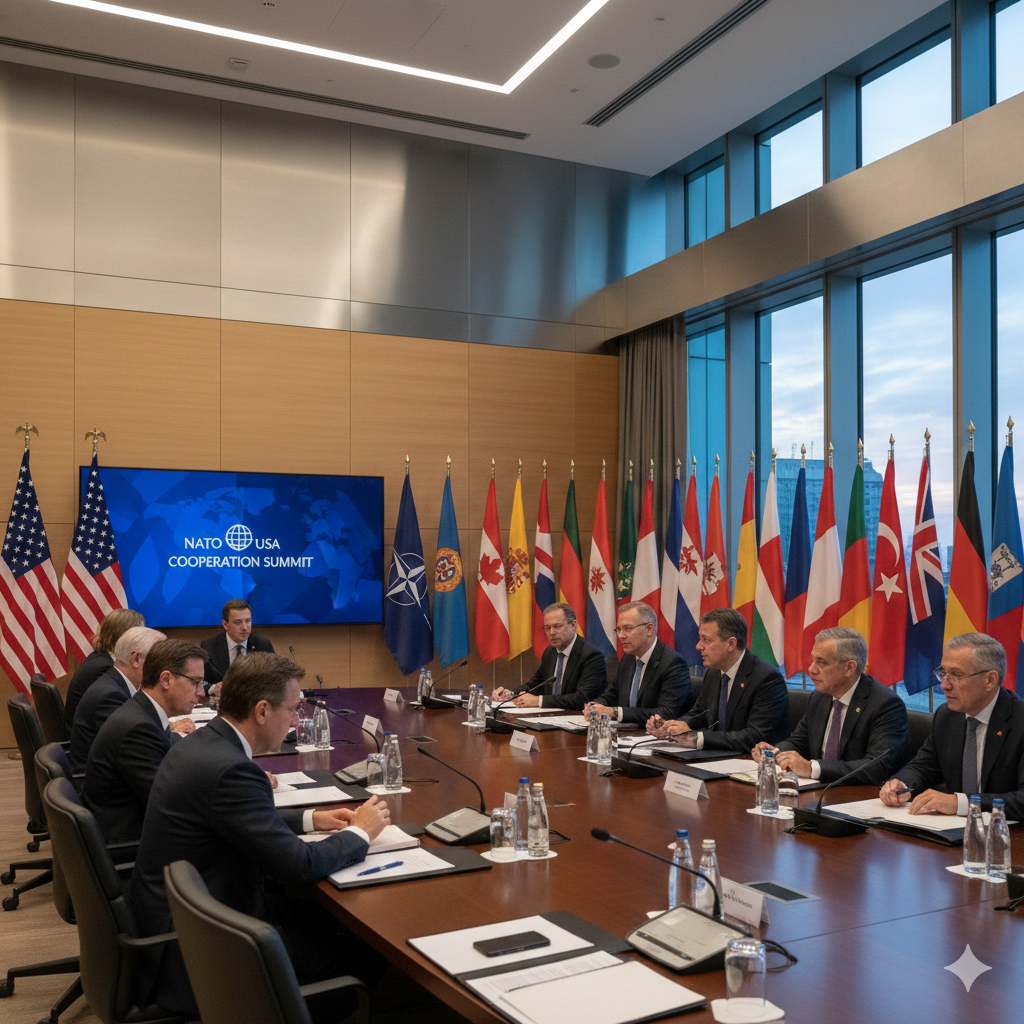
What will Happen with Europe?

The concept of a “European Century” has moved from a theoretical academic debate to a central geopolitical question in 2026. As the United States adopts an increasingly isolationist and transactional “America First” posture, the European Union (EU) finds itself at a historical crossroads.

Whether the EU can replace the US as the world’s foremost superpower depends on how it manages three distinct pillars: economic leverage, military independence, and ethical leadership.