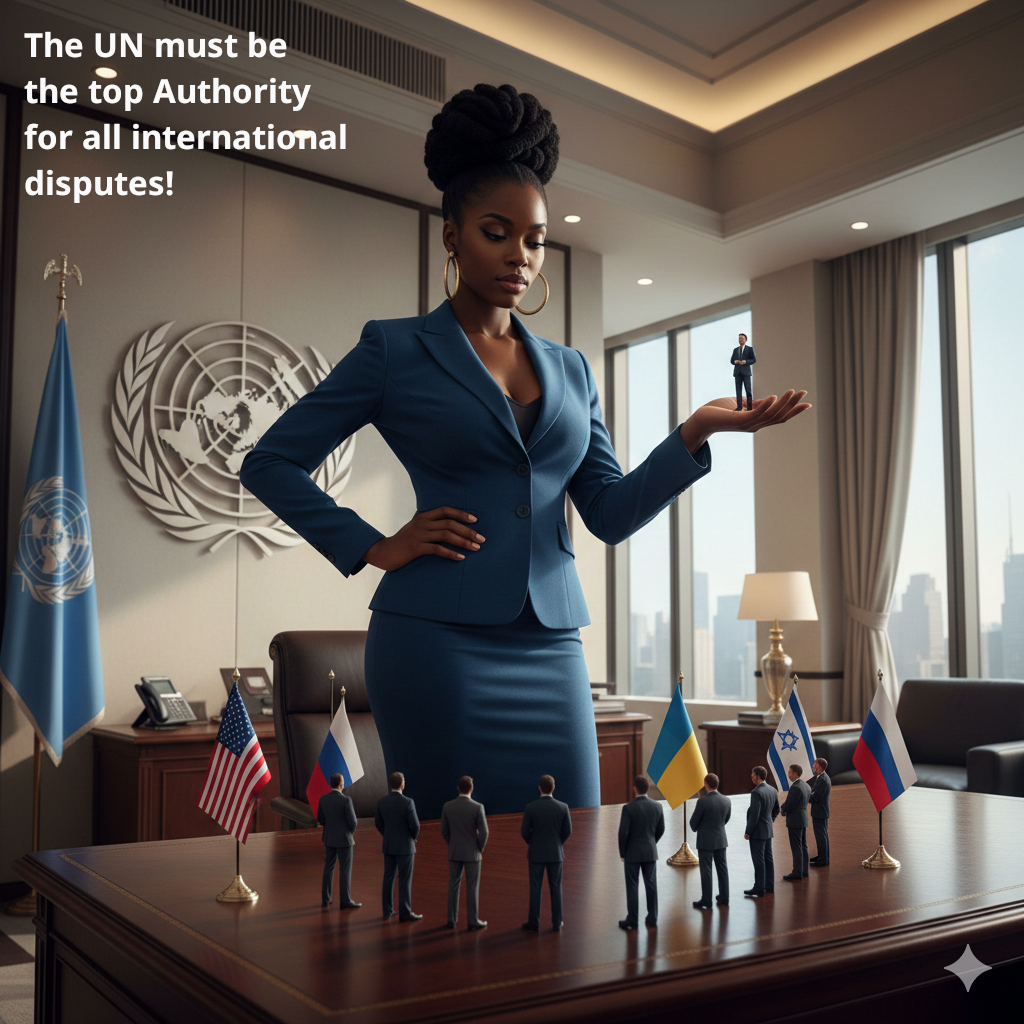
In late 2025, the global diplomatic stage shifted toward Mar-a-Lago, Florida, where President Donald Trump hosted two of the world’s most pivotal leaders: Ukrainian President Volodymyr Zelenskyy and Israeli Prime Minister Benjamin Netanyahu. These meetings, occurring back-to-back, highlighted a “deal-maker” approach to foreign policy that largely bypasses traditional international bureaucracies.
The Meeting in Florida: Trump and Netanyahu
On December 29, 2025, Prime Minister Benjamin Netanyahu arrived at Mar-a-Lago for critical talks regarding the Gaza ceasefire and broader Middle East stability. The atmosphere was one of high stakes and high pressure.
- Disarmament of Hamas: Trump issued a stark ultimatum, stating that Hamas must disarm “within a fairly short period of time” or there would be “hell to pay.”
- Regional Alignment: The discussions moved quickly toward “Phase Two” of a peace plan, with Trump claiming that 59 countries were ready to support the reconstruction of Gaza—provided the security conditions were met.
- Iran and Syria: Trump also signaled a hawkish stance on Iran, warning that any nuclear buildup would be met with an immediate strike.
The Meeting with the Leader of Ukraine
Just a day prior, Trump met with President Volodymyr Zelenskyy. This meeting was the culmination of months of tension and “victory plans” presented by Kyiv.
- Peace Timelines: Trump reiterated his belief that the war with Russia could be ended “quickly” under his mediation.
- Security Guarantees: Zelenskyy focused on obtaining “strong security guarantees” to ensure that any ceasefire would not simply allow Russia to regroup.
- Economic Cooperation: A significant portion of the dialogue involved a framework for the mining of Ukraine’s rare-earth minerals, framing the peace deal as a mutually beneficial economic partnership for the United States.5
The Missing Piece: Where is the UN Secretary-General?
A glaring omission in both these high-level negotiations was the presence of UN Secretary-General António Guterres. The very “job and function” of the United Nations is to maintain international peace and security. In a better world, the UN would be the central hub for these resolutions.
However, several factors explain why the UN is currently sidelined:
- Bilateral vs. Multilateral Diplomacy: The UN operates on the principle of multilateralism, which is often slow and requires consensus among many nations (like the 15-member Security Council). Trump’s style favors bilateral diplomacy—direct, one-on-one deals between heads of state that bypass the “red tape” of international organizations.
- The Veto Deadlock: The UN Security Council is often paralyzed by the veto power of its permanent members (the U.S., Russia, China, France, and the UK). Because Russia is a party to the conflict in Ukraine, the UN has struggled to take decisive action.
- Skepticism of Globalism: There is a growing sentiment among certain political factions that the UN has become an “elite debating club” that issues statements but lacks the “teeth” to enforce them. By meeting in Florida or New York rather than Geneva or The Hague, these leaders are signaling that the real power to move the needle rests with the U.S. Presidency, not the UN Secretariat.
“In a better world, the UN would solve all these issues.”
This sentiment reflects the original 1945 vision of the UN. Yet, the current reality shows a world where individual state interests and personal chemistry between leaders often outweigh the collective mechanisms of the United Nations.
3 replies on “It’s the Function of the United Nations to Secure World Peace”
The 8xbetios app runs great on my iPhone. Super smooth and haven’t had any crashes. Pretty happy with it.
Guys, just logged in with jilievologin. Easy peasy. The site looks clean and loads fast. Maybe I get lucky tonight! 😉
Hey guys! Just checked out vipph1.org. Seems like a promising site. Anyone else tried it? Let me know what you think! vipph1