The North Star of the Democratic Party: Why Economic Justice Must Remain Supreme
The current political landscape is a whirlwind of high-stakes drama. From the visceral outcries over ICE enforcement and the polarizing presence of Donald Trump to the daily commotion of street protests, the American public—and the Democratic Party itself—is frequently pulled into a reactive cycle. While these issues represent critical battles for civil rights and the rule of law, there is a looming danger that the party’s foundational “North Star” is being obscured. To maintain its soul and its efficacy, the Democratic Party must ensure that its primary mission remains the pursuit of economic justice: helping the poor, utilizing Keynesian principles to ensure full employment, and stabilizing the national economy.
The Foundation of Economic Justice
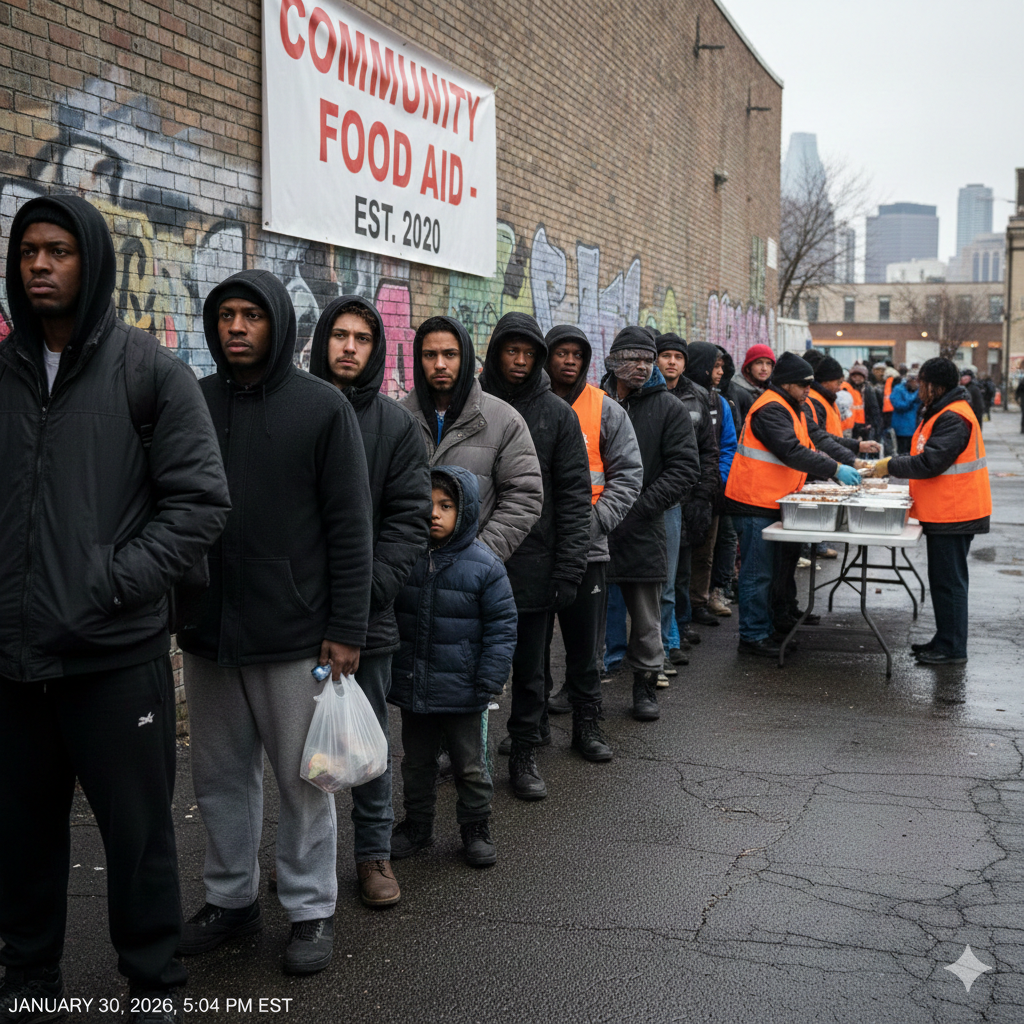
At its core, the Democratic Party’s modern identity was forged in the fires of the Great Depression. The New Deal was not merely a set of policies; it was a moral declaration that the government has a fundamental responsibility to prevent the destitution of its citizens. When the party shifts its primary energy toward reacting to the latest administrative controversy or immigration headline, it risks alienating the very “working-class” and “common man” base that Franklin D. Roosevelt once unified.
Economic justice is the tide that lifts all other boats. Racial equity, for instance, cannot be fully realized without addressing the wealth gap and the systemic lack of investment in impoverished communities. By prioritizing the poor and the working class, the party addresses the root cause of much of the nation’s social unrest.
The Necessity of Keynesian Stability
In an era of volatile markets and global uncertainty, the party must double down on Keynesian economics. This framework argues that during times of economic downturn, the government must act as a stabilizer through strategic spending and investment.
The goal of this approach is not just “growth” in the abstract—which often only benefits the top 1%—but full employment. A job is more than a paycheck; it is the bedrock of dignity and community stability. By focusing on infrastructure, green energy jobs, and social safety nets, Democrats can ensure the economy “works from the bottom up and the middle out,” as the current platform suggests. When the party allows itself to be defined solely by its opposition to Trump or its stance on border enforcement, it loses the chance to articulate this vital vision of a managed, humane economy.
Moving Beyond the Commotion
The excitement and anger generated by protests are powerful tools for mobilization, but they are not a substitute for a governing philosophy. While the actions of ICE and the rhetoric of the presidency demand a response, these are often the symptoms of a deeper fracture in the American social contract—a fracture caused by decades of rising inequality.
- Priority 1: Direct relief for the poor and protection of social services (Social Security, Medicare).
- Priority 2: Aggressive use of fiscal policy to prevent recessions and maintain high wages.
- Priority 3: Ensuring that “Economic Justice” is the lens through which all other policies, including immigration and civil rights, are viewed.
If the Democratic Party allows the “commotion” of the day to become its primary identity, it becomes a party of reaction rather than a party of progress. By returning to its mission of economic stewardship and the upliftment of the vulnerable, it can provide a stable, hopeful alternative to the chaos of modern populism.