Categories
Conflict Power Social Issues

Is this Munich all over Again?

The Shadows of Davos: Will the Greenland Accord Mirror Munich?

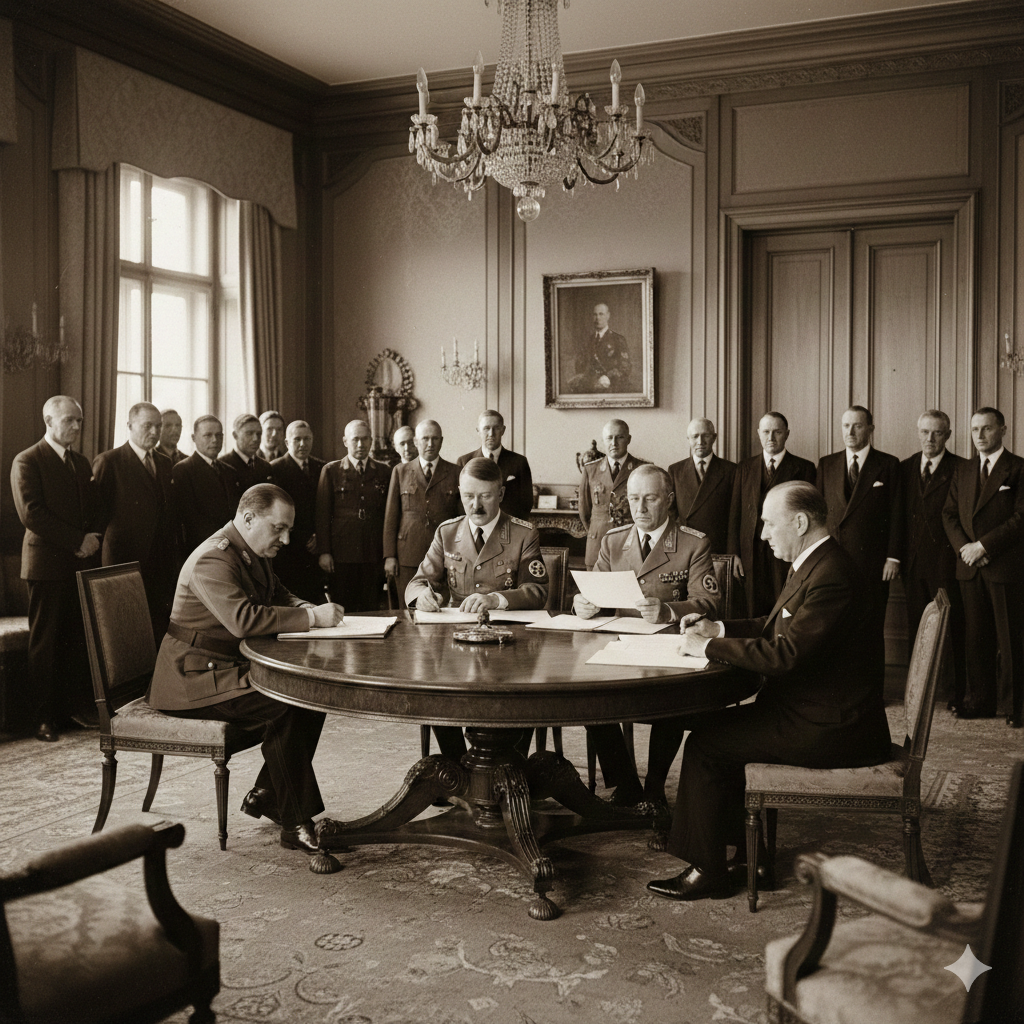
The announcement today in Davos of a “framework” agreement between President Trump and European leaders—purportedly ending the immediate threat of 10% to 25% tariffs in exchange for a “future deal” on Arctic security and Greenland—has been met with a collective sigh of relief from global markets. On the surface, the “trade bazooka” has been holstered, and the specter of a trans-Atlantic trade war has receded. However, for those with a sense of history, the atmosphere feels uncomfortably familiar. One cannot help but look at this “framework” and hear the faint, haunting echoes of the 1938 Munich Agreement.

While the geopolitical stakes of 2026 are not an exact mirror of the 1930s, the structural parallels are unsettling. Today, we must ask: Is this truly a blueprint for a stable Arctic, or is it merely “peace in our time”—a temporary reprieve that emboldens future aggression?


Categories
Economics Power Social Issues

United Nations Secretary General and a New World Order

On January 21, 2026, the world watched as President Donald Trump, speaking from the World Economic Forum in Davos, performed a sudden about-face. After days of threatening 10% tariffs against eight European allies to pressure them into a “deal” for Greenland, he announced a “framework” of agreement with NATO Secretary General Mark Rutte and scrapped the February 1 deadline. While the immediate sigh of relief from global markets is palpable, this episode serves as a chilling reminder of the fragility of the current world order. The fact that the global economy can be brought to the brink of chaos by the shifting moods of a single national leader is a systemic failure. To ensure lasting stability, we must move beyond the era of “national whims” and empower the United Nations to regulate international trade, lead with a powerful Secretary General, and act as a true “giant” for humanity.

Categories
Education Environment Social Issues

A Necessary Global Change

The Weight of Matter: Transitioning from Materialism to the Cerebral

For decades, the global standard for “success” has been measured by the accumulation of physical matter. In the “First World,” this has manifested as a relentless cycle of extraction, production, and waste. However, as our ecological boundaries reach a breaking point, it is becoming clear that the next stage of human evolution must be a pivot away from the physical and toward the cerebral. To save the environment, we must transition from a lifestyle defined by what we own to one defined by what we know, create, and experience.

Categories
Conflict Power Social Issues

Dr. Martin Luther King Day

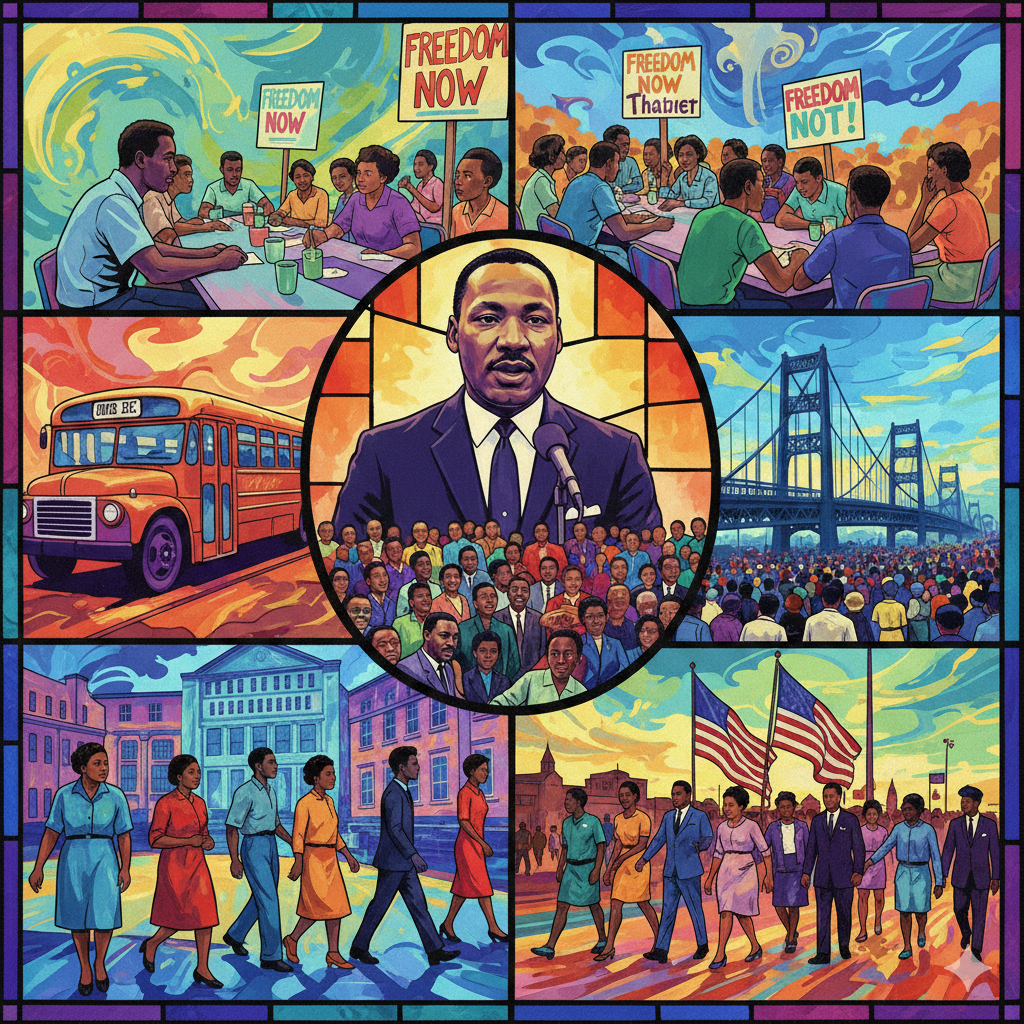
Each year, as we observe Dr. Martin Luther King Jr. Day, we do more than simply remember a man; we honor a philosophy of transformation that remains the most viable blueprint for social progress. In our current era, where tensions between government agencies like Immigration and Customs Enforcement (ICE) and immigrant rights protesters often reach a boiling point, King’s legacy offers a critical middle path. His life taught us that the pursuit of justice is most powerful when it is conducted with a disciplined commitment to peaceful assembly and a profound, mutual respect between the citizen and the state.

Categories
Conflict Economics Health Care Social Issues

New York City Nurse Strike

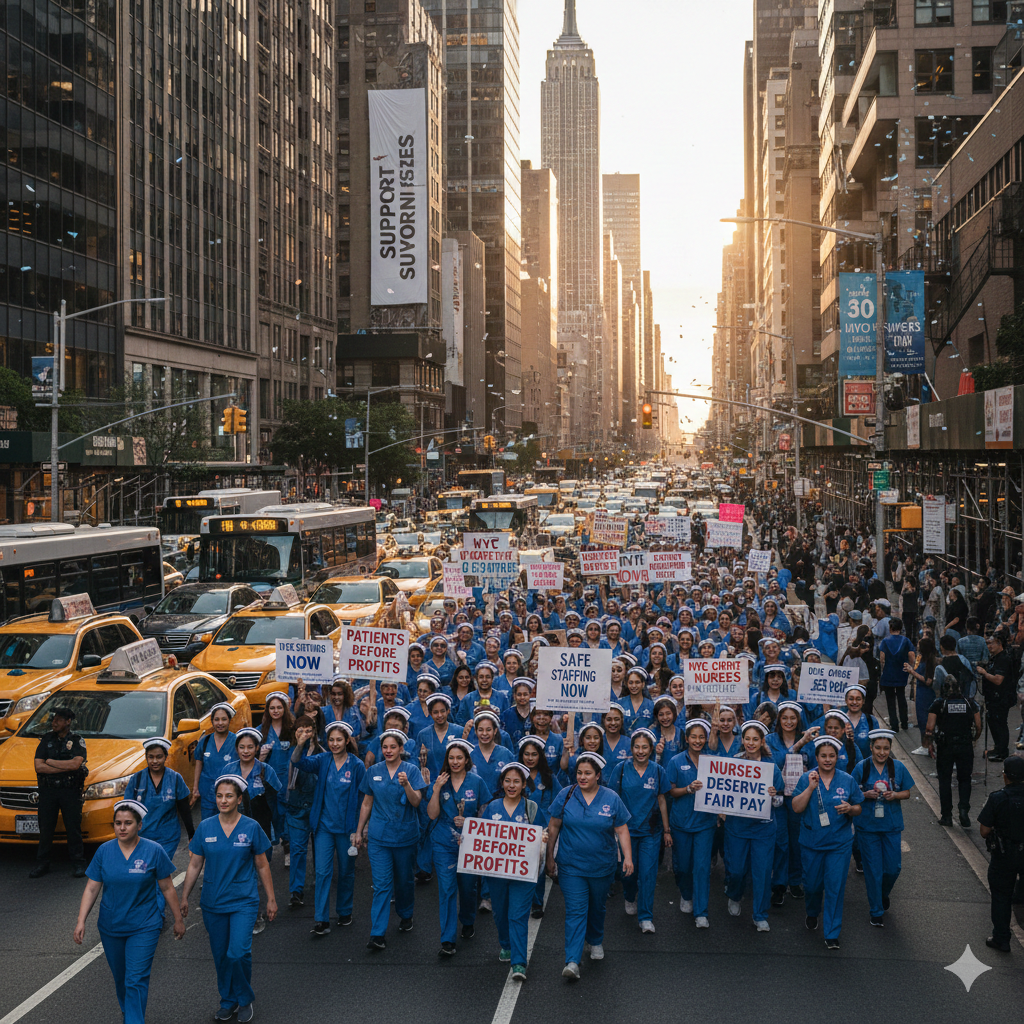
In January 2026, the streets outside New York City’s most prestigious medical institutions—Mount Sinai, Montefiore, and NewYork-Presbyterian—became the front lines of a historic labor struggle. Over 15,000 nurses walked off the job, initiating the largest strike in the city’s history. While critics often point to the disruption of care as a reason to avoid such actions, the reality is that the NYC nurse strike is not merely a dispute over paychecks; it is a necessary, moral stand for the sustainability of the healthcare system and the safety of the patients within it.

Categories
Conflict Power Social Issues

United Nations and the National Police Forces

The Case for Global Oversight: Why the UN Needs the Power to “Police the Police”

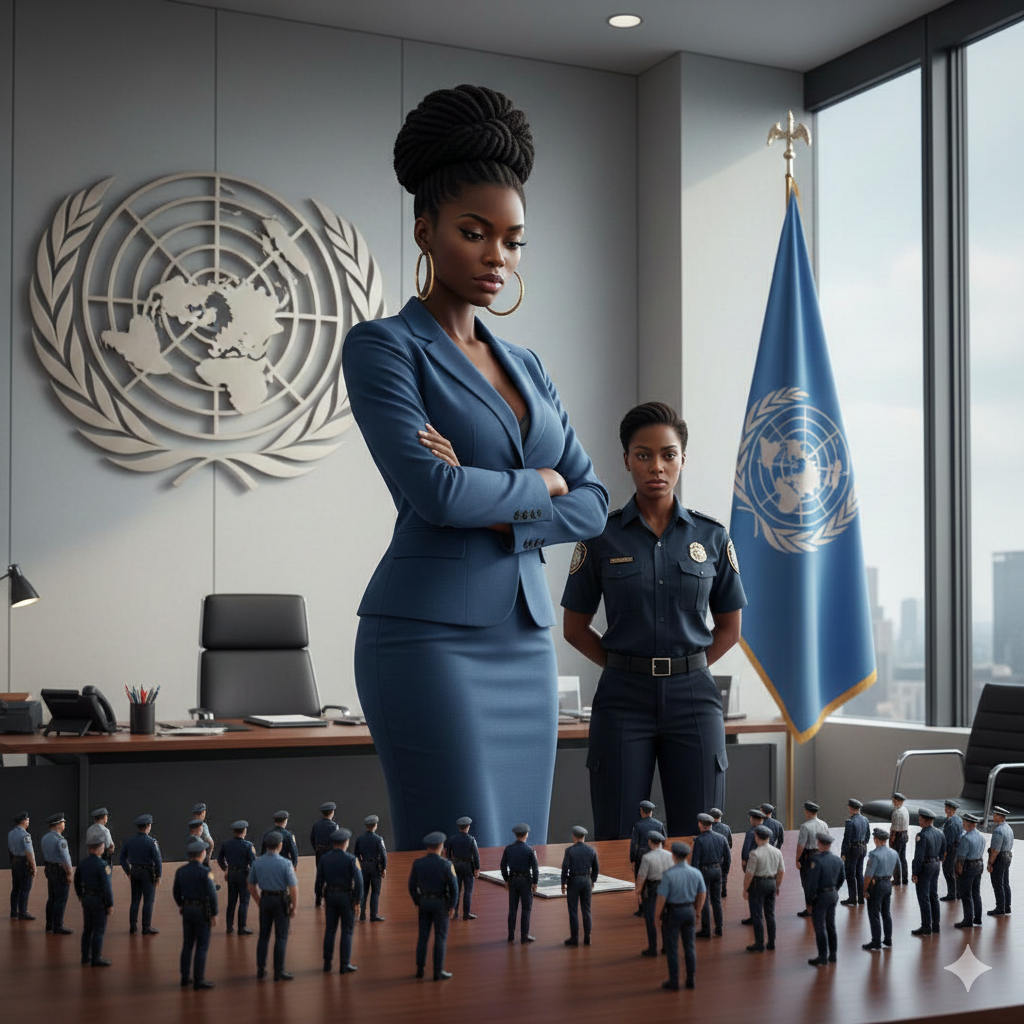
The fundamental duty of any police force is to protect and serve the citizenry. However, across the globe, we increasingly witness a disturbing inversion of this role. From the aggressive tactics of Immigration and Customs Enforcement (ICE) in the United States to the systemic suppression of dissent by police in Russia, Iran, and China, law enforcement has frequently become an instrument of state-sponsored abuse rather than a guardian of public safety. Because these abuses often stem from the highest levels of national government, domestic accountability mechanisms are frequently compromised or non-existent. To protect universal human rights, the United Nations must be granted expanded authority to monitor national police forces, supported by an independent body with the mandate to “police the police.”

Categories
Conflict Power Social Issues

Where is the Secretary General of the United Nations?

The Greenland Summit: A Failed Dialogue and a Missing Arbiter

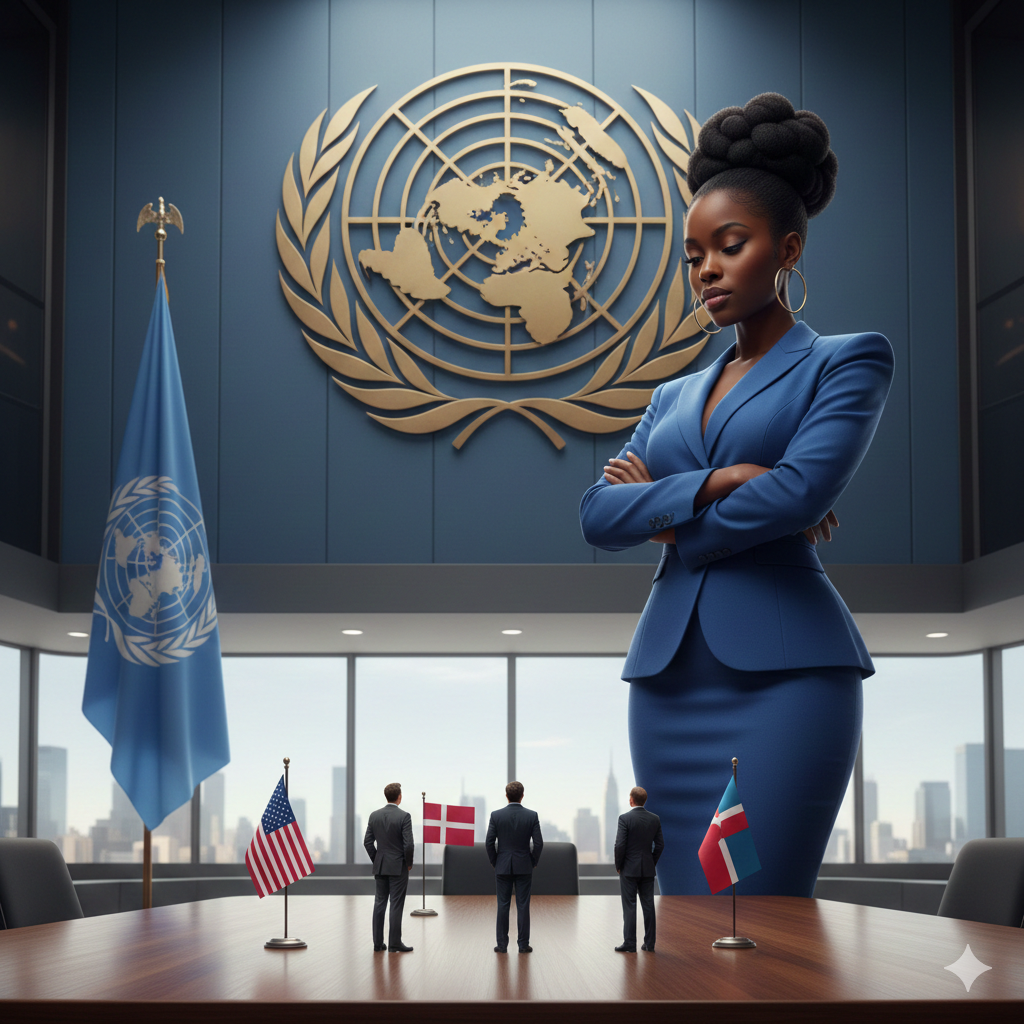
The high-stakes meeting at the White House on January 14, 2026, between representatives from Denmark, Greenland, and the United States, was ostensibly designed to de-escalate what has become a defining geopolitical crisis of the mid-2020s. Instead, the sit-down—hosted by Vice President JD Vance and Secretary of State Marco Rubio—underscored a chilling reality: the international order is currently a theater of “might makes right,” where the sovereignty of smaller nations is treated as a line item in a real estate ledger.

President Trump’s relentless pursuit of Greenland, framed as a “national security necessity” to preempt Russian and Chinese influence, has pushed a NATO ally to the brink. While the meeting resulted in the formation of a “working group,” the fundamental disagreement remains: Washington insists on acquisition, while Copenhagen and Nuuk insist on the inviolability of borders. Yet, in this room filled with diplomats and security hawks, there was one glaring, inexcusable absence: the Secretary-General of the United Nations.

Categories
Economics Power Social Issues

United Nations Power and Ambition

The Case for a Resurgent United Nations: Toward a Global Mandate

For eight decades, the United Nations has functioned primarily as a “watering hole” for diplomats—a place to air grievances and manage crises through the lens of national interest. However, as the challenges of the 21st century—from climate collapse to unregulated AI—transcend every border, the traditional model of a passive UN is increasingly obsolete. To ensure human survival, the United Nations must transition from a mediator of states to a champion of humanity. This requires a radical shift: the UN must advocate for its own empowerment aggressively, pursue independent financial sovereignty, and speak directly to the eight billion people it serves.

Categories
Conflict Power Social Issues

Greenland and an Official UN Statement

The question of Greenland’s sovereignty has emerged as a critical flashpoint in international relations. As of early 2026, renewed pressure from the United States to acquire the territory—ranging from economic threats to the refusal to rule out military force—has created a diplomatic crisis within NATO and the United Nations.

To uphold the core principles of the UN Charter, the international community must take two decisive steps: first, a formal condemnation of any attempt by a foreign power to unilaterally annex or purchase Greenland; and second, a recommendation for Greenland’s full independence to finalize its long-standing journey toward self-determination.

Categories
Conflict Power Social Issues

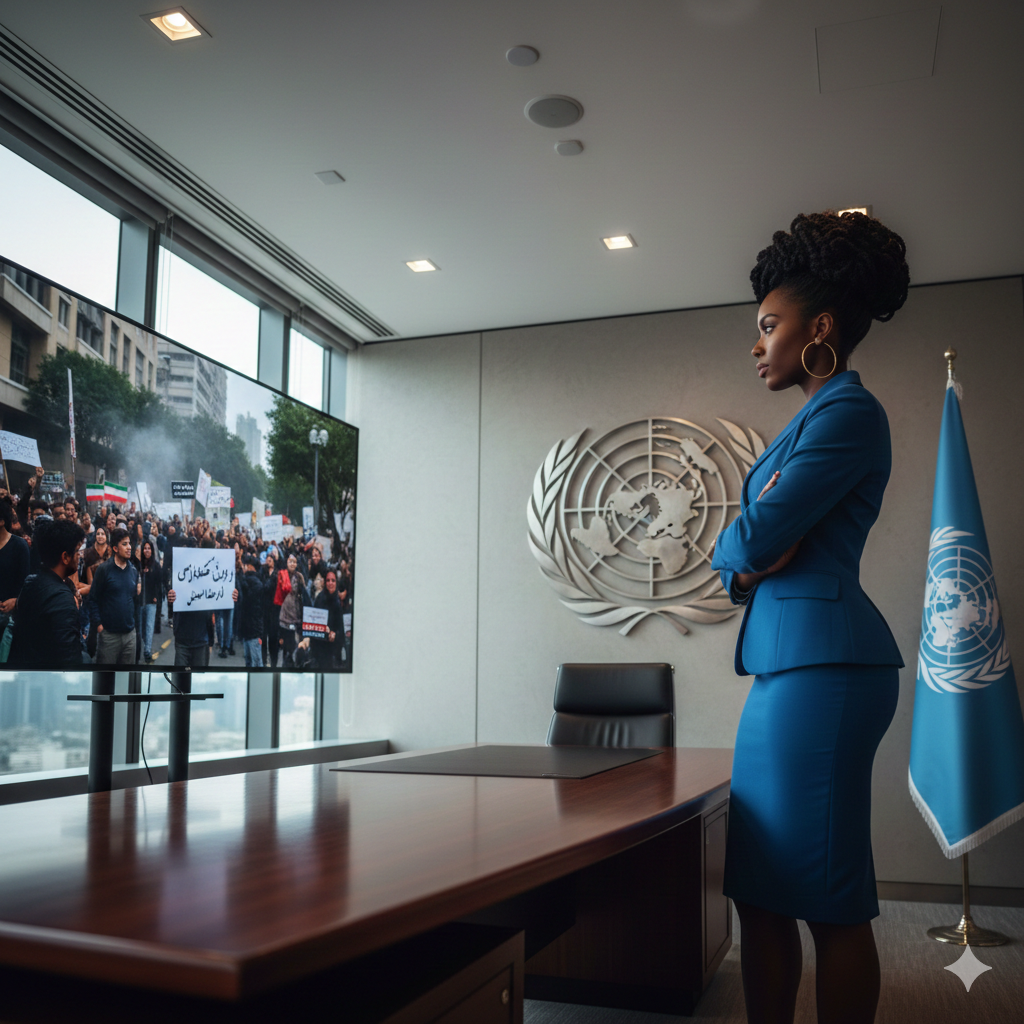
UN Resolve and Action is Required in the Iranian Crisis

The Iranian Crisis: A Mandate for Multilateral Action

The dawn of 2026 has found Iran at a critical crossroads. Since late December 2025, a wave of civil and political unrest has swept through all 31 provinces, ignited by a collapsing economy and record inflation, but rapidly evolving into a fundamental challenge to the legitimacy of the Islamic Republic. As security forces—including the Islamic Revolutionary Guard Corps (IRGC)—deploy lethal force, the international community faces a familiar dilemma. However, the historical record suggests that the solution does not lie in the unilateral intervention of the United States. Instead, the current crisis presents a unique and necessary opportunity for the United Nations to assert its authority, enforce its Charter, and facilitate a transition from an autocratic theocracy to a productive, democratic socialist society.