Categories
Power Social Issues

Statesmanship and Character are Not the Same as Personality

The Crisis of Character: Why the Modern World Needs Statesmen, Not Personalities

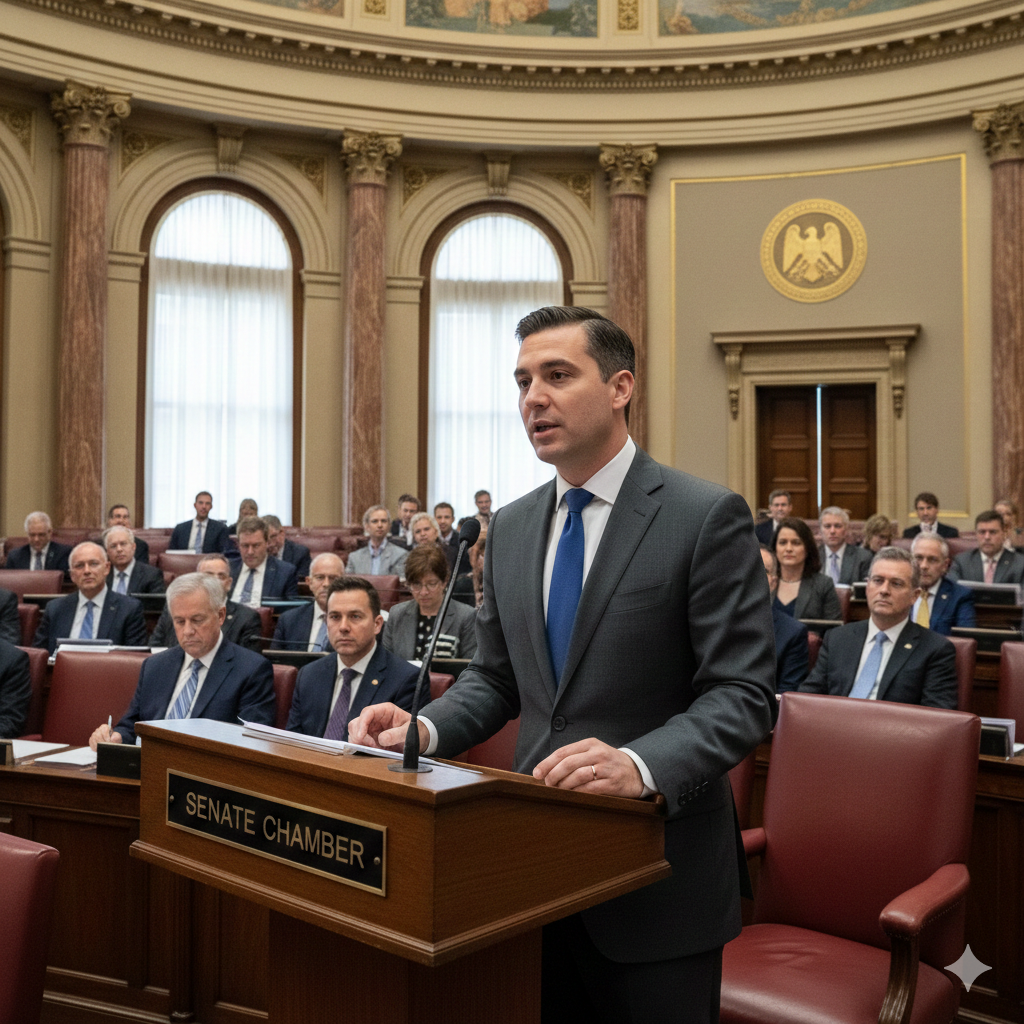
In the contemporary political landscape, we are often seduced by the “strongman” or the “charismatic outsider.” We mistake a loud voice for a clear vision and a forceful personality for effective leadership. However, as our global challenges grow more complex, it becomes increasingly clear that what we urgently need is not charisma, but quality statesmanship. To understand why, we must examine the mechanics of power—how it is derived, how it is exercised, and how it relates to the very structure of the human mind.


Categories
Conflict Power Social Issues

Ludwig van Beethoven

Today, December 16, marks the anniversary of Ludwig van Beethoven’s birth in 1770. While the world rightfully celebrates him as a titan of Western classical music—the man who bridged the Classical and Romantic eras—his legacy extends far beyond the stave and the symphony. Remembering Beethoven is essential not only for the “superb” nature of his compositions but because he was a radical thinker whose progressive social views and vision of human brotherhood laid the spiritual groundwork for modern ideals of world peace and global cooperation.

Categories
Economics Education Power Social Issues

She’s the Boss Now!

The Unfolding Power: Black Women’s Ascent in Education and Leadership

The narrative of American progress is continually being reshaped by the resilience and determination of Black women. Nowhere is this more evident than in their extraordinary and persistent rise in education, a foundational movement that is now beginning to translate into a commanding presence in positions of leadership and authority across all sectors. Black women are not just participating in the pursuit of knowledge; they are excelling, often outpacing all other demographic groups in educational attainment. This educational prowess is a potent force, signaling a powerful and inevitable shift in the landscape of leadership in the United States.

Categories
Conflict Power Social Issues

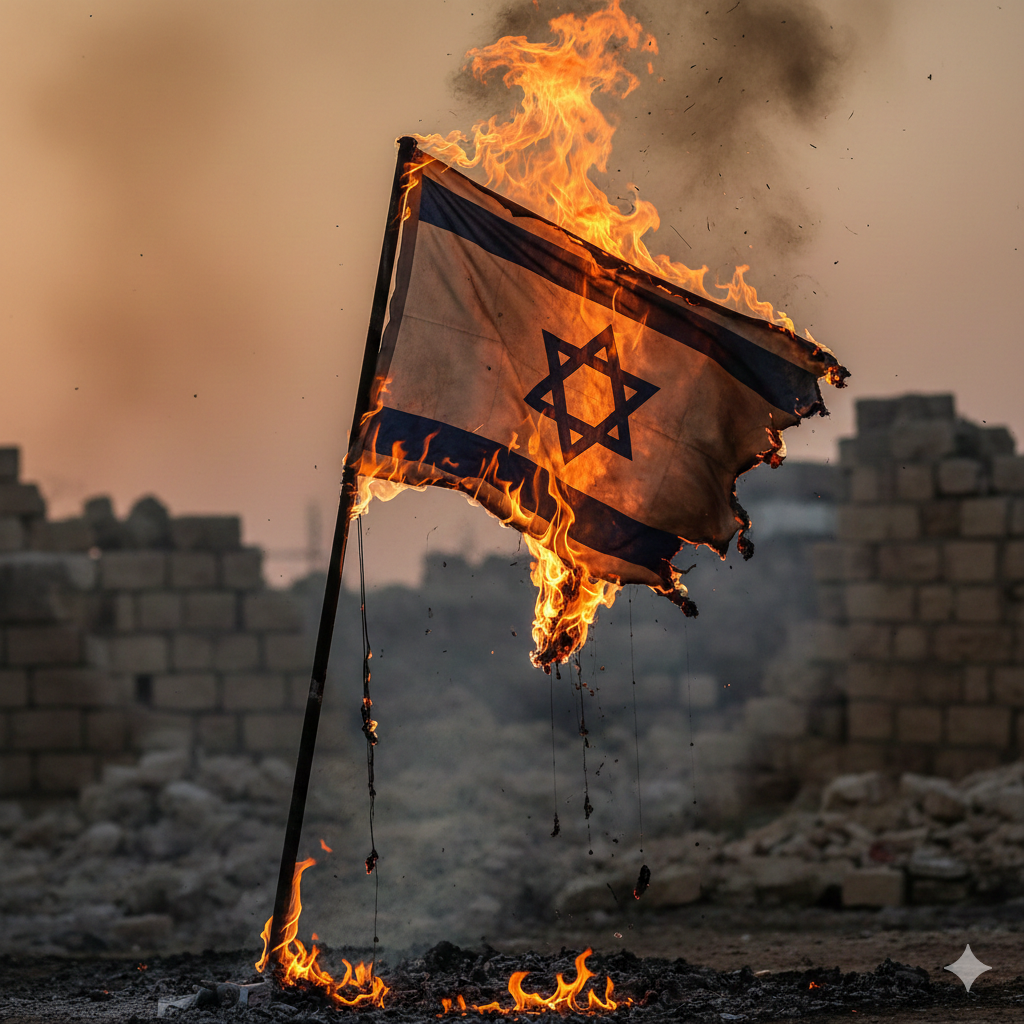
Dangers of Antisemitism

🌍 The Persistent Shadow: Addressing the Dangers of Modern Antisemitism

Antisemitism, often referred to as “the longest hatred,” is not a relic of the past but a dangerous and dynamic force in the contemporary world. Despite the universal condemnation of the Holocaust, Jewish people and institutions globally face a disturbing resurgence of prejudice, harassment, and violent attacks. This essay will explore the profound dangers of modern antisemitism, emphatically distinguish legitimate criticism of the State of Israel from anti-Jewish hatred, and outline the urgent need for more robust involvement by the United Nations to ensure the safety and security of Jewish communities worldwide.

Categories
Power Social Issues

Nostalgia and Politics

🕰️ The Mirage of the Past: How Nostalgia Poisons the Political Present

Nostalgia, in its purest form, is a gentle, bittersweet human emotion—a longing for the “good old days” of one’s personal past. It is a necessary psychological tool that provides comfort, a sense of continuity, and a buffer against the anxieties of a rapidly changing world. It is the fond recollection of a childhood home or the echo of a favorite song, and in this private sphere, it is harmless, even restorative.

Categories
Conflict Power

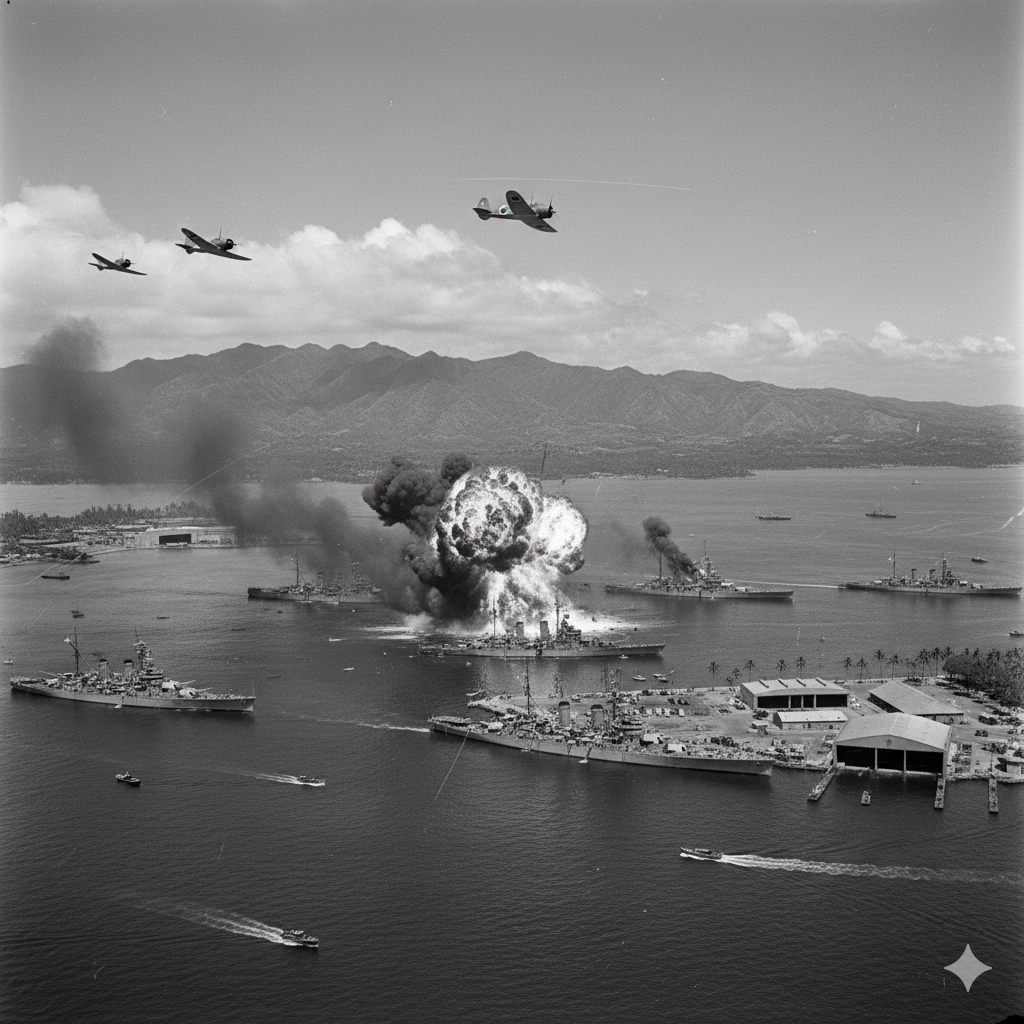
A Date that Shall Live in Infamy

The 1941 attack on Pearl Harbor remains one of the most pivotal and sobering moments in modern history, a day that President Franklin D. Roosevelt declared “will live in infamy.” Remembering this event is not merely an act of memorializing the bravery and sacrifice of the 2,403 Americans who died; it is a vital, ongoing commitment to understanding the fragility of peace and the imperative for a robust international order. The sudden, devastating nature of the Japanese sneak attack was a traumatic shock that shattered America’s lingering isolationism and highlighted the fundamental need for strong international law, a powerful United Nations (UN), and arguably, an independent UN military force to prevent such unprovoked aggression from ever recurring.

Categories
Conflict Power Social Issues

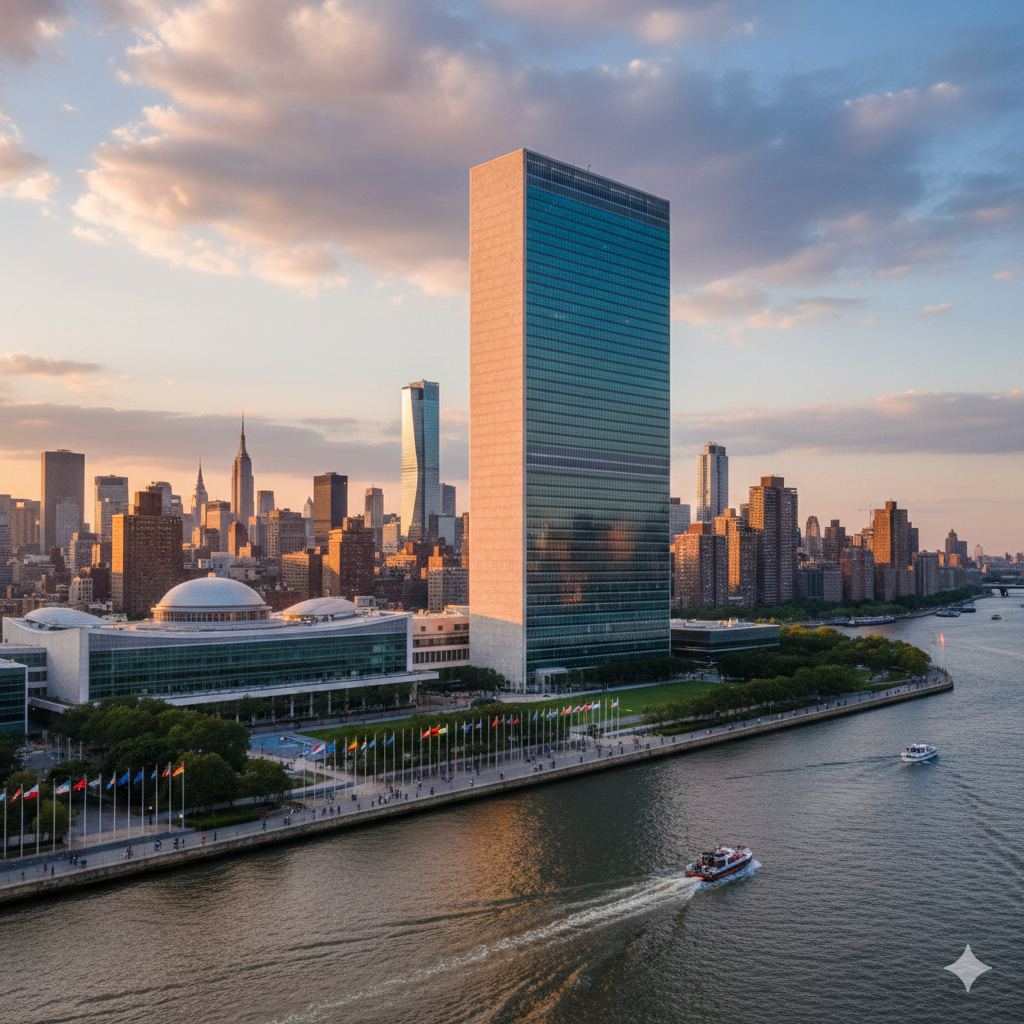
UN Security Council

🇸🇪 A Moral Imperative: Restructuring the UN Security Council for the 21st Century

The United Nations Security Council (UNSC), charged with the primary responsibility for the maintenance of international peace and security, stands today as an anachronistic relic of a world order that has long since passed. The composition of its permanent members (P5)—the United States, China, Russia, France, and the United Kingdom—was decided not by principles of universal justice or consistent adherence to the UN Charter, but by the raw military and political power of the victors of World War II. To usher in a new era of global governance that truly lives up to the lofty ideals of its founding document, the P5 must voluntarily step down, and a new, more principled standard for membership, one centered on constitutional governance, human rights, and social democracy, must be established.

Categories
Economics Power Social Issues

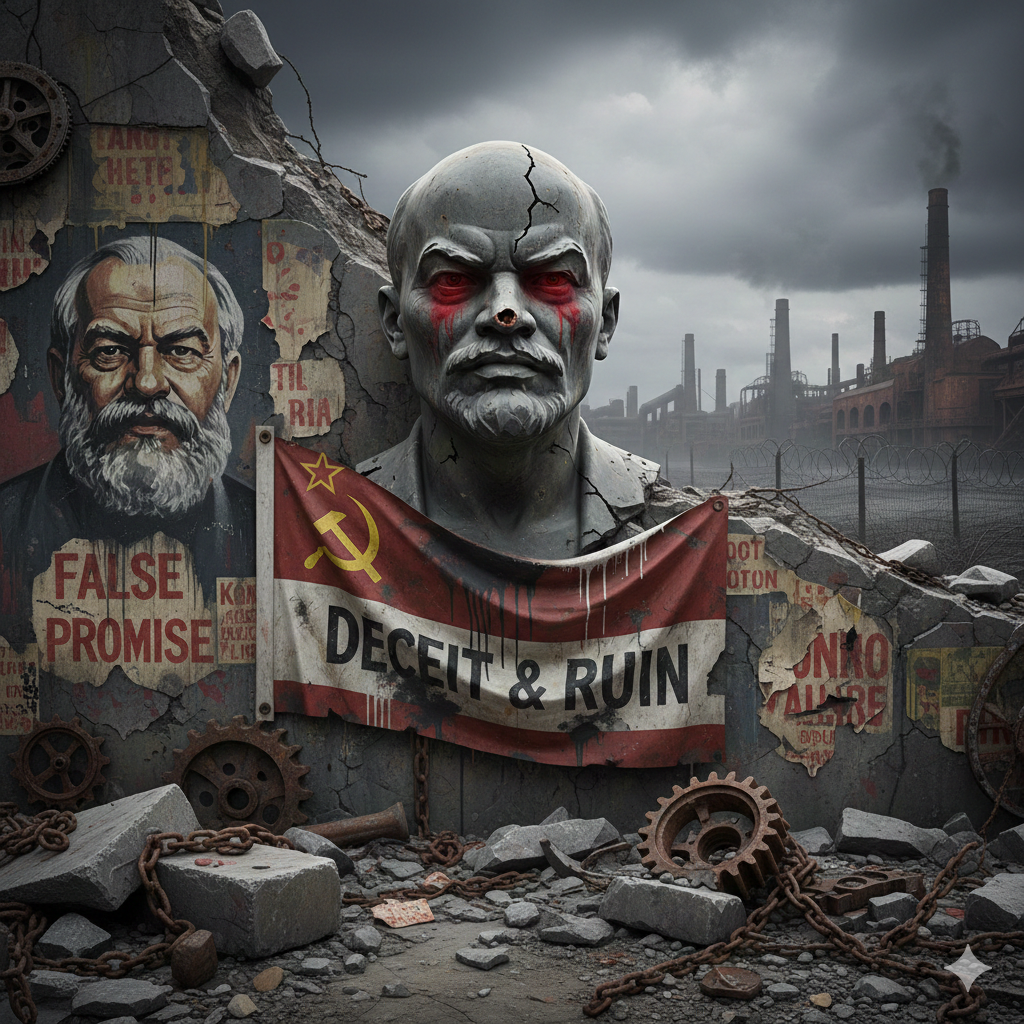
The Failure of Communism

The Structural Failure of Authoritarian Communism: A Contrast with Democratic Socialism

The collapse of the Soviet Union and the Eastern Bloc in the late twentieth century is often cited as the definitive failure of communism. This historical judgment is accurate, but the reasons for the failure must be precisely understood. The demise of the Soviet model was not a refutation of all forms of collective social organization, but rather a catastrophic failure rooted in the structural exclusion of fundamental democratic, legal, and economic principles. The authoritarian communist regimes, generically known as Marxism-Leninism, demonstrated that the pursuit of economic equality without the bedrock of political freedom inevitably leads to tyranny, economic decay, and collapse.

Categories
Economics Power Social Issues

World Government is a Viable Option

The Case for Global Governance: Peace, Prosperity, and Unified Action

The current international system, characterized by the sovereignty of over 190 nation-states, is fundamentally ill-equipped to address the systemic challenges of the 21st century, from global economic instability to existential threats like climate change and nuclear proliferation. The conceptual evolution of the United Nations (UN) into a functional world government offers a path toward perpetual peace, unparalleled economic stability, and the realization of distributive global justice. Such a unified polity, empowered to act decisively and unilaterally, would redefine human civilization by removing the structural incentives for conflict and establishing a framework for coordinated global welfare.

Categories
Conflict Power Social Issues

Venezuela and the Airspace “Closure”

The Case for Multilateralism: Unilateral Airspace Closure and the Need for the UN

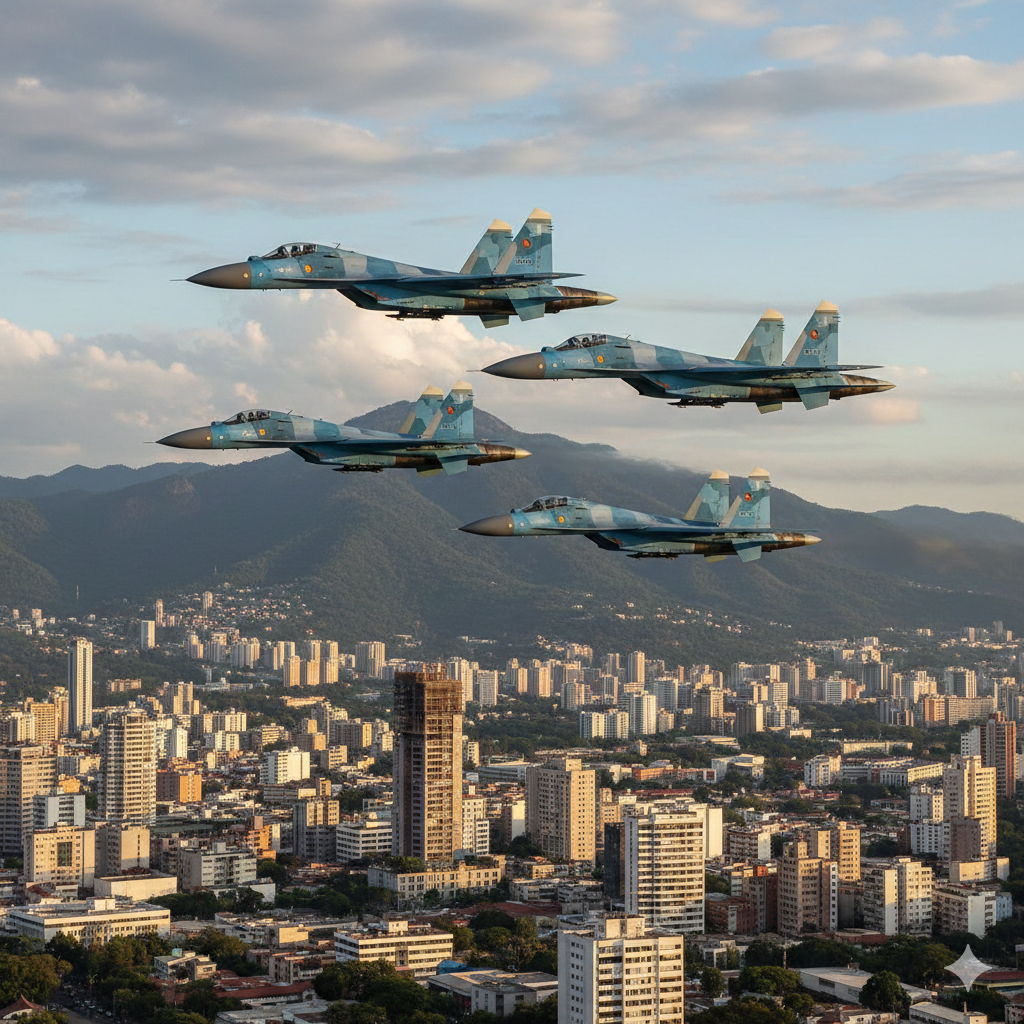
The purported closure of the airspace surrounding Venezuela by the President of the United States, as recently stated, serves as a powerful case study for the fragility of global order and the indispensable need for international law and robust multilateral institutions. While the assertion may be rooted in addressing transnational issues such as drug trafficking, the unilateral nature of the declaration directly challenges the foundational principles of state sovereignty and global stability. Such a move underscores that complex geopolitical problems are inherently international in scope and must be resolved by collective bodies, not by the coercive power of a single nation.