Categories
Conflict Economics Power

Government Must be the Ultimate and Final Authority

The question of how power should be distributed between the state and the private sector is one of the most enduring debates in political economy. While proponents of a free market argue for minimal interference, a strong case can be made that the collective well-being of a society depends on a government that is not merely a referee, but a dominant force. For a community to truly thrive, the government must possess the authority to redirect wealth through steep, progressive taxation and to keep corporate interests in check through rigorous regulation.


Categories
Conflict Power Social Issues

UN Authority Must be Complete and Effective

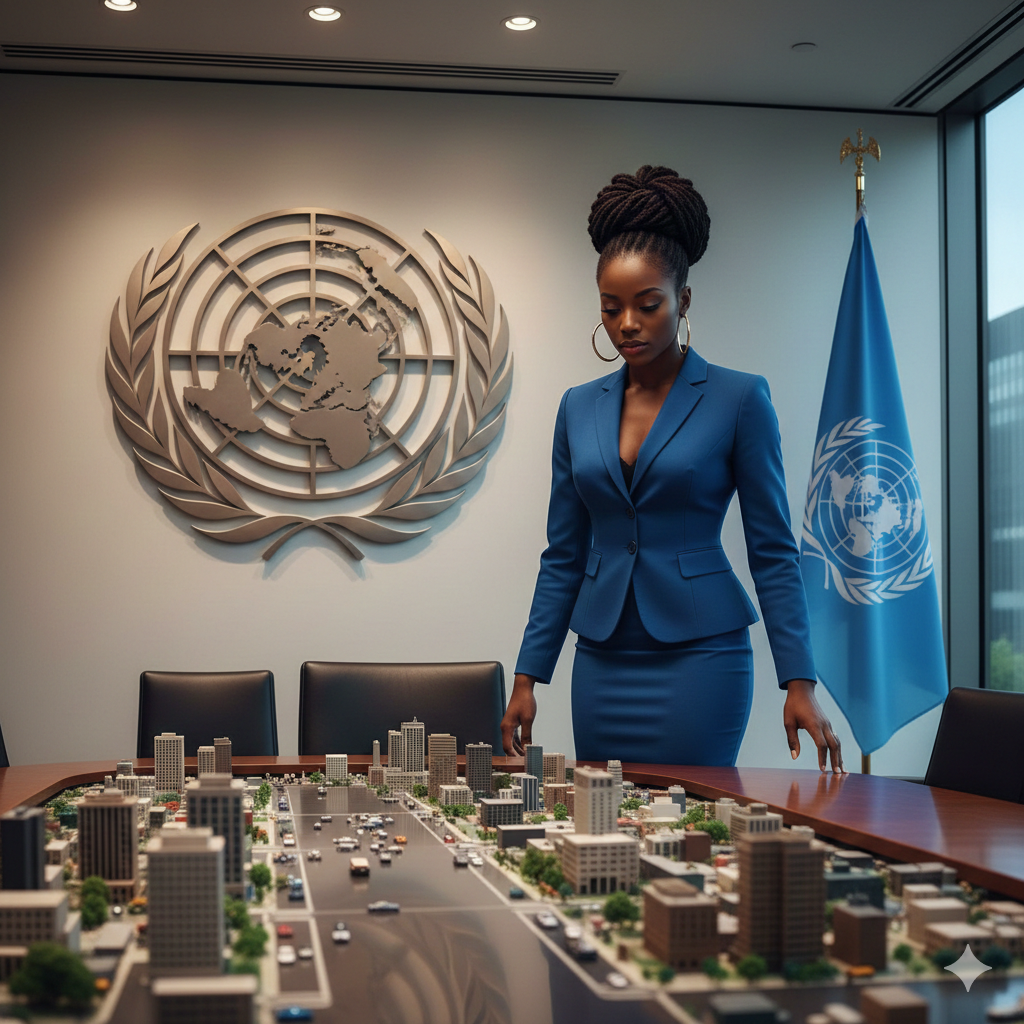
The concept of global governance often oscillates between the practical need for cooperation and the philosophical desire for a unifying authority. To envision the United Nations (UN) as the world’s most powerful organization is to imagine a shift from a collection of competing interests to a singular, cohesive direction for humanity.

In this vision, the UN does not merely serve as a forum for debate, but as the ultimate arbiter of human progress.

Categories
Conflict Power Social Issues

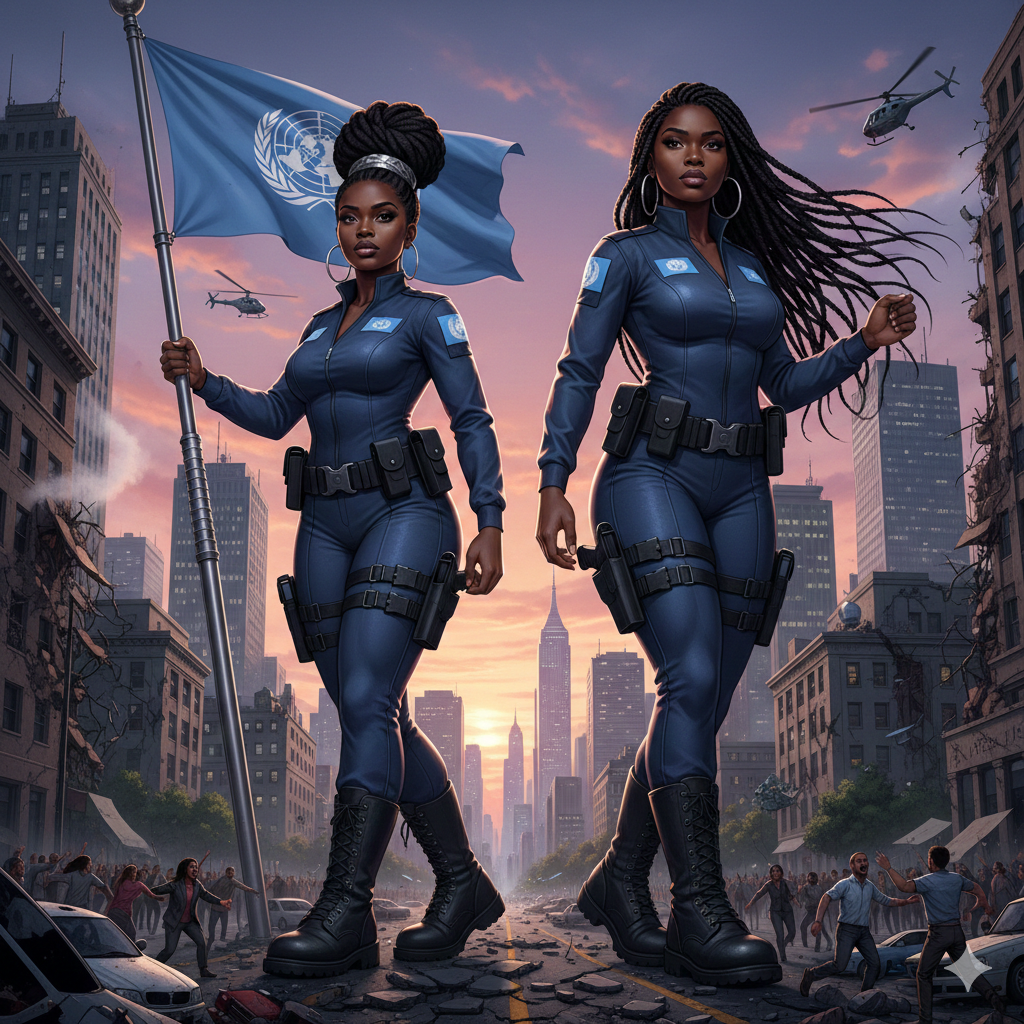
“Giants” Must Walk the Earth!

The Reign of the “Giants”: A Case for a Unified World Authority

The current global landscape is a fractured mosaic of competing interests, where the concept of national sovereignty often serves as a shield for conflict, environmental degradation, and systemic inequality. To move beyond this era of perpetual friction, we must evolve. The transition toward a formal world government, facilitated through a reformed and empowered United Nations, is no longer a utopian dream—it is a pragmatic necessity for survival.

However, a government without the power to enforce its laws is merely a debating society. To truly secure global peace, the United Nations must command an independent military force of such overwhelming magnitude that they are recognized, in every corner of the globe, as “Giants“.

Categories
Economics Power Social Issues

We Must “Shrink” and “Reduce” the Effect of Human Civilization on the Global Environment

The Great Contraction: A Vision for Global Environmental Sovereignty

The modern human footprint has expanded beyond the biological carrying capacity of the Earth. As our industrial engine accelerates, the traditional model of the Westphalian nation-state—prioritizing local economic growth over global ecological stability—has become an existential liability. To ensure the survival of the biosphere, we must “shrink” the negative impact of civilization through a radical restructuring of power. This transition requires the United Nations to ascend as the ultimate authority on environmental governance, transcending the borders of nation-states and strictly regulating the global marketplace.

Categories
Economics Power Social Issues

More Power Must be Given to the ICC and the UN

The “Giants” of Global Justice: Why the ICC and UN Need Real Teeth

Since its inception, the International Criminal Court (ICC) has been described as a “giant without arms or legs.” It has the moral authority to issue warrants for the world’s worst criminals—genocidaires, war criminals, and those who commit crimes against humanity—but it possesses no police force to arrest them. Instead, it must politely ask sovereign nations to do the heavy lifting, a request often ignored when political interests are at stake.

To truly fulfill the promise of “never again,” the international community must transform the ICC and the United Nations (UN) from advisory bodies into empowered “giants” capable of enforcing global law through direct military, economic, and fiscal power.

Categories
Economics Power Social Issues

Taxation Must be Used to “Shrink” and Regulate Corporate Power!

Scaling Sovereignty: The Case for a Global UN Corporate Tax

For decades, the global economic landscape has been dominated by corporate entities whose financial reach and political influence often dwarf those of sovereign nations. As these organizations grow, the disparity between private wealth and public welfare widens. To correct this imbalance, a transformative shift in global governance is required: the establishment of a strong, progressive global tax administered by the United Nations. By taxing both international and national corporations, the UN can effectively “shrink” outsized corporate power and redirect global wealth toward the betterment of humanity through foundational Keynesian principles.

Categories
Economics Power Social Issues

International Organizations are Necessary for the United States

On January 7, 2026, the Trump administration took a historic and unprecedented step in American foreign policy by signing a Presidential Memorandum to withdraw the United States from 66 international organizations. This list includes 31 United Nations entities and 35 non-UN organizations, ranging from the UN Framework Convention on Climate Change (UNFCCC) to the International Renewable Energy Agency (IRENA) and the UN Population Fund (UNFPA).

While framed by the administration as a move to protect national sovereignty and eliminate “wasteful” spending, this mass withdrawal represents a fundamental retreat from global leadership that poses severe risks to the rule of international law, the global environment, and the stability of the world economy.

Categories
Conflict Economics Power Social Issues

USA Seizes Russian-flagged Tanker and a Venezuelian Ship

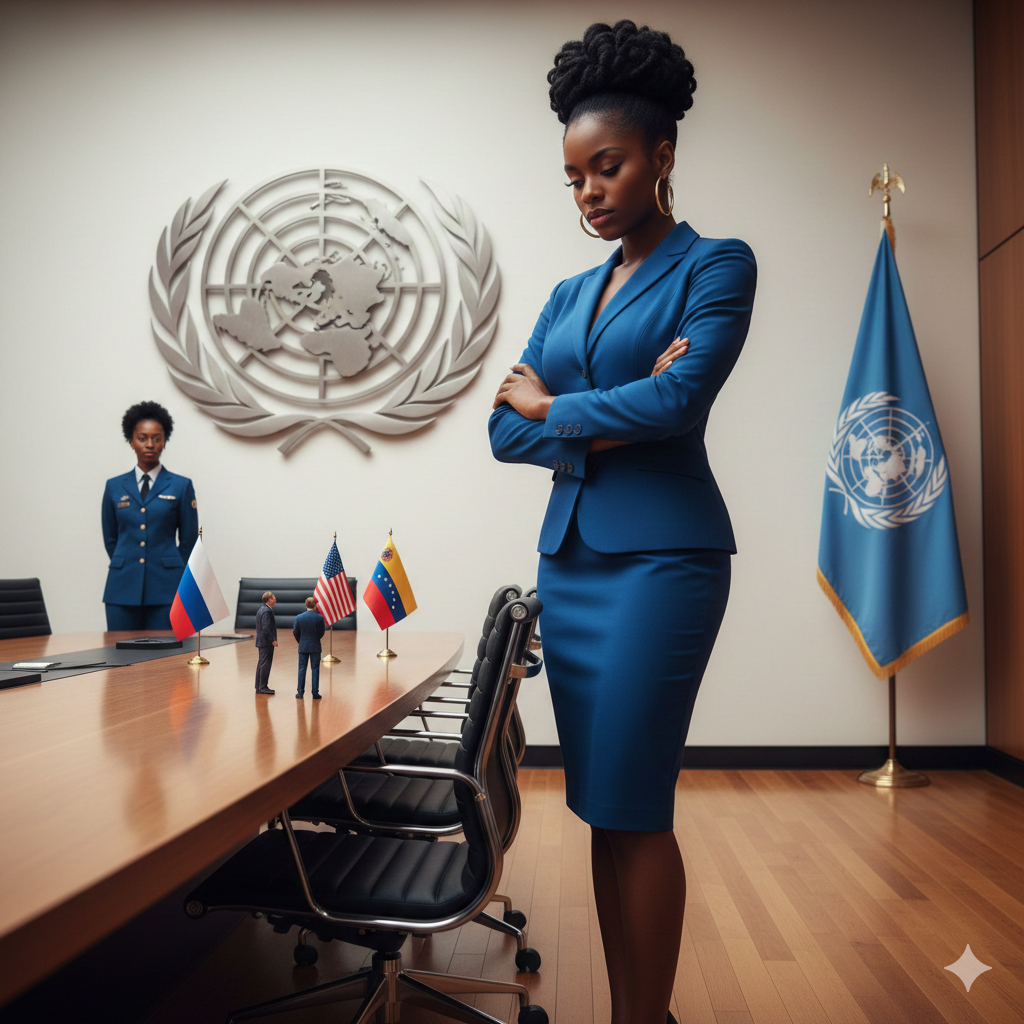
In light of the recent seizures of the Russian-flagged tanker Marinera and the Venezuelan vessel Skipper by the United States, the world faces a critical turning point in maritime law. These actions, carried out under the banner of national sanctions and “Operation Southern Spear,” represent a dangerous drift toward a “might-makes-right” philosophy on the high seas. To preserve global peace and the freedom of navigation, we must denounce unilateral seizures and empower the United Nations as the sole, “giant” regulator of the world’s oceans.

Categories
Conflict Power Social Issues

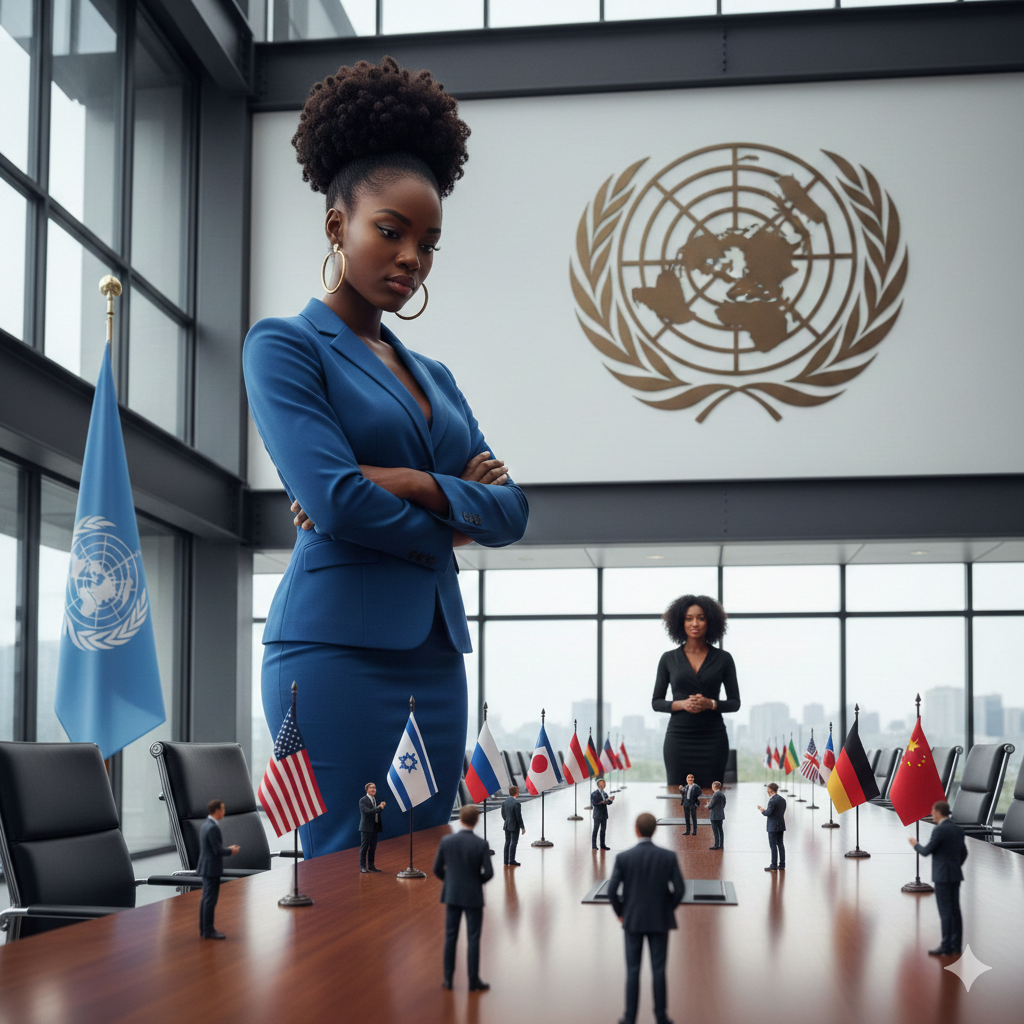
Only one Single and Effective “Giant” Organization Should Exist in the World!

The following article examines the recent surge in American unilateralism under the second Trump administration and the growing argument for a global legal authority capable of restraining such actions.

Categories
Conflict Economics Power Social Issues

It’s Always About Power and Control!

The Architecture of Order: Power, Hierarchy, and the Global “Giant”

The history of humanity is, at its core, a history of power. From the earliest tribal structures to the complexities of the modern state, the drive to influence, control, and organize has remained an inescapable facet of our existence. To imagine a world without power is to imagine a world without direction; to survive, humanity requires authority.

The question, therefore, is not whether power will exist, but how it is structured and what serves as its foundation. For a stable and prosperous future, we must move toward a global hierarchy that places a reorganized United Nations at the summit—a “giant” of organizational power capable of regulating nations, corporations, and the common good.