Categories
Economics Social Issues

CNN Should Give Out all News and Articles for Free

The Digital Divide: Why CNN’s Paywall Is a Step Backward

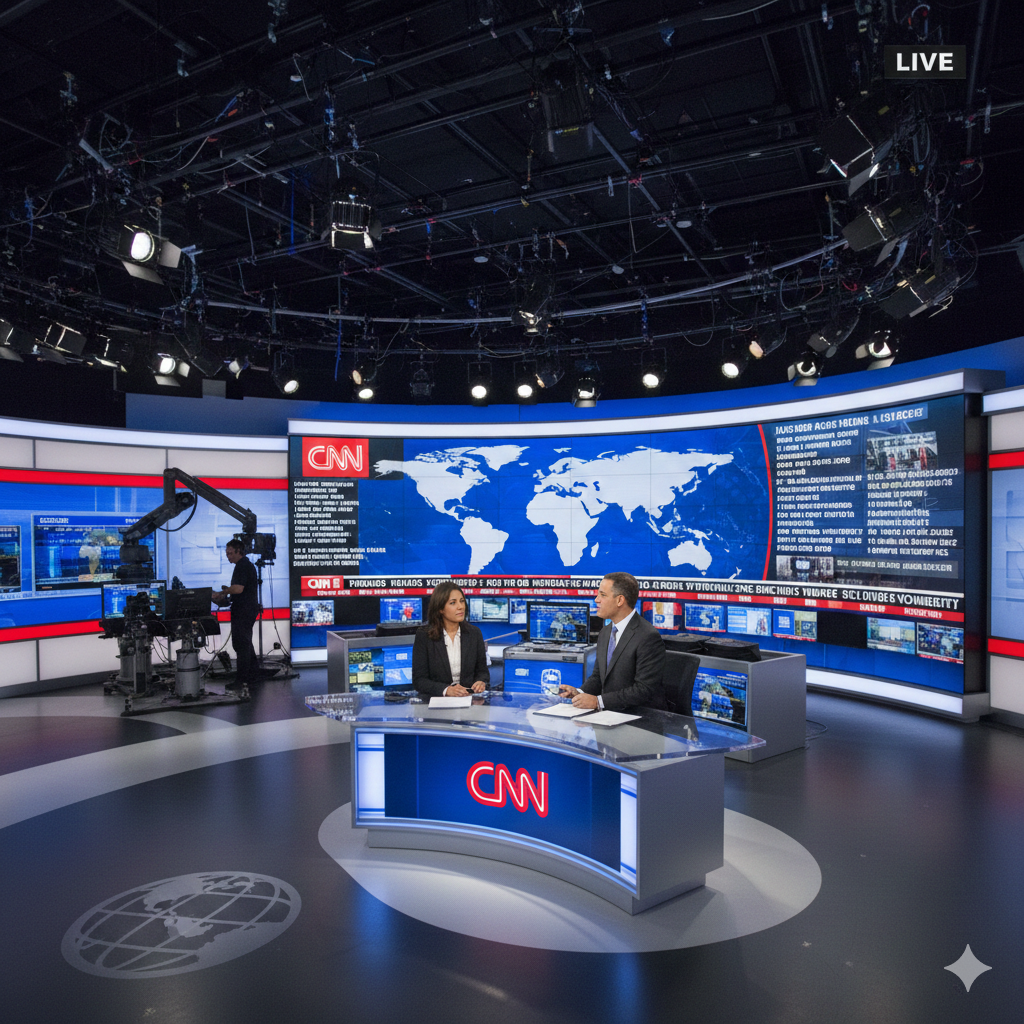
For decades, cnn.com has served as a digital town square—a primary source for breaking news accessible to anyone with an internet connection. However, the recent shift to place much of its content behind a paywall represents a troubling departure from the ideal of a well-informed public. While the move is framed as a “digital evolution,” it is effectively a “regressive” policy that prioritizes profit margins over the democratic necessity of accessible, high-quality information.


Categories
Economics Health Care Power Social Issues Technology

United Nations News is One of the Best Sources of Information

In an era of rapid-fire headlines and polarized media, the need for a reliable, comprehensive, and impartial source of information has never been more urgent. For those seeking to understand the intricate complexities of our globalized world, the United Nations news portal, news.un.org, stands as an essential resource. By providing direct access to the latest developments in international affairs and shining a light on humanitarian crises that often go overlooked, the site serves as a vital bridge between global citizens and the mission of the United Nations.

Categories
Conflict Economics Social Issues Technology

Trump’s Decision to Stop the Wind Farms

The recent decision by the Trump administration to suspend five major offshore wind projects along the East Coast marks a significant retreat from the pursuit of a sustainable energy future. Citing “national security risks” identified in classified reports, the administration has halted nearly completed projects like Vineyard Wind 1 and Revolution Wind. While the government emphasizes the potential for turbine interference with military radar, this justification appears to be a thin veil for a broader ideological preference for fossil fuels. By prioritizing opaque security concerns over clear environmental and economic benefits, this suspension undermines American energy independence, stifles job growth, and delays the urgent transition to clean energy.

Categories
Conflict Economics Health Care Social Issues

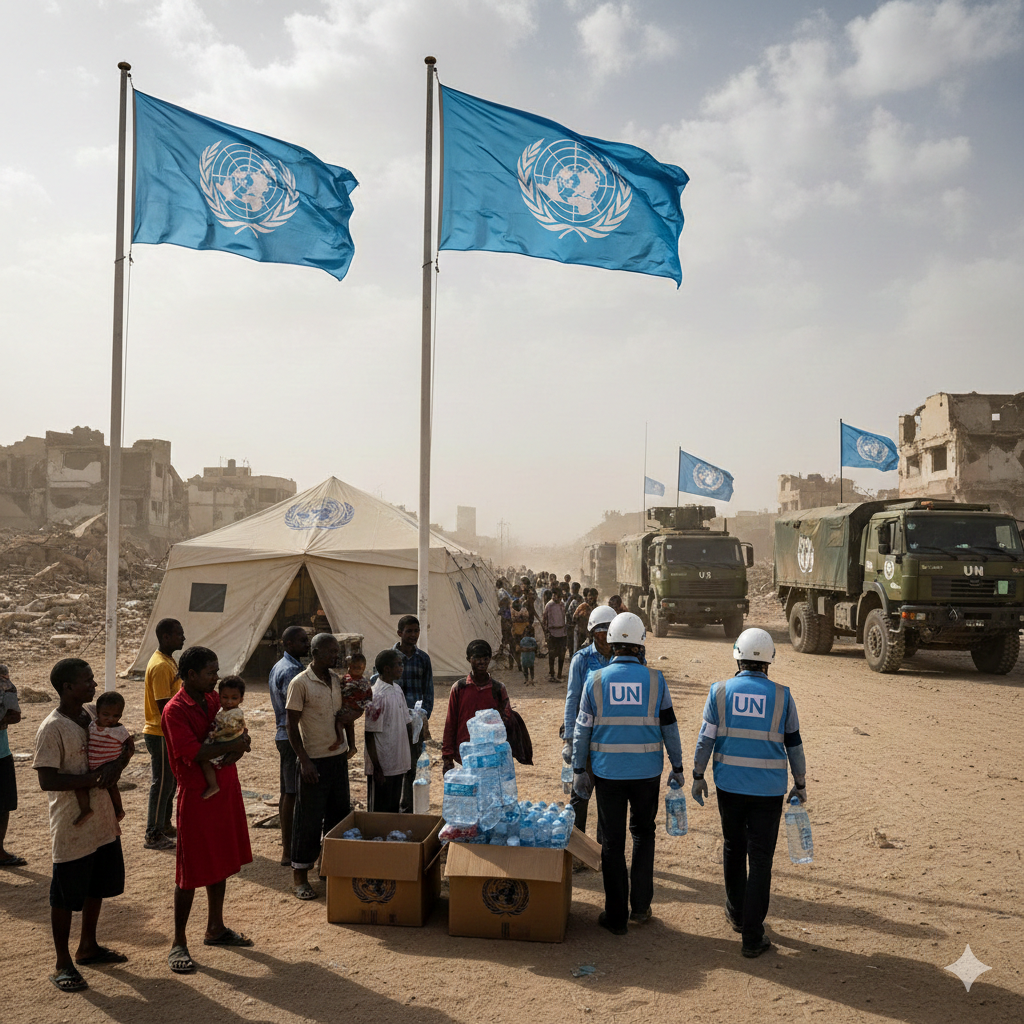
Support OCHA to Help the World

Supporting the United Nations Office for the Coordination of Humanitarian Affairs (OCHA) is not merely an act of international charity; it is a strategic investment in the world’s most essential safety net. As the primary body responsible for synchronizing global disaster and conflict response, OCHA ensures that aid is not just delivered, but delivered effectively, fairly, and swiftly.

Categories
Economics Power Social Issues

Secular Humanism and the Truth

The Core of Modern Ethics: Why Secular Humanism Wins

At its heart, secular humanism is not a rigid dogma but a framework for making decisions based on reason, empathy, and the pursuit of human flourishing. While its specific policy implementations are often the subject of healthy debate, its foundational pillars—reliance on the scientific method, the intrinsic value of the individual, and the rejection of supernatural authority—provide the most reliable map for navigating a complex, modern world.

Categories
Economics Health Care Social Issues

Support Your Local Food Bank

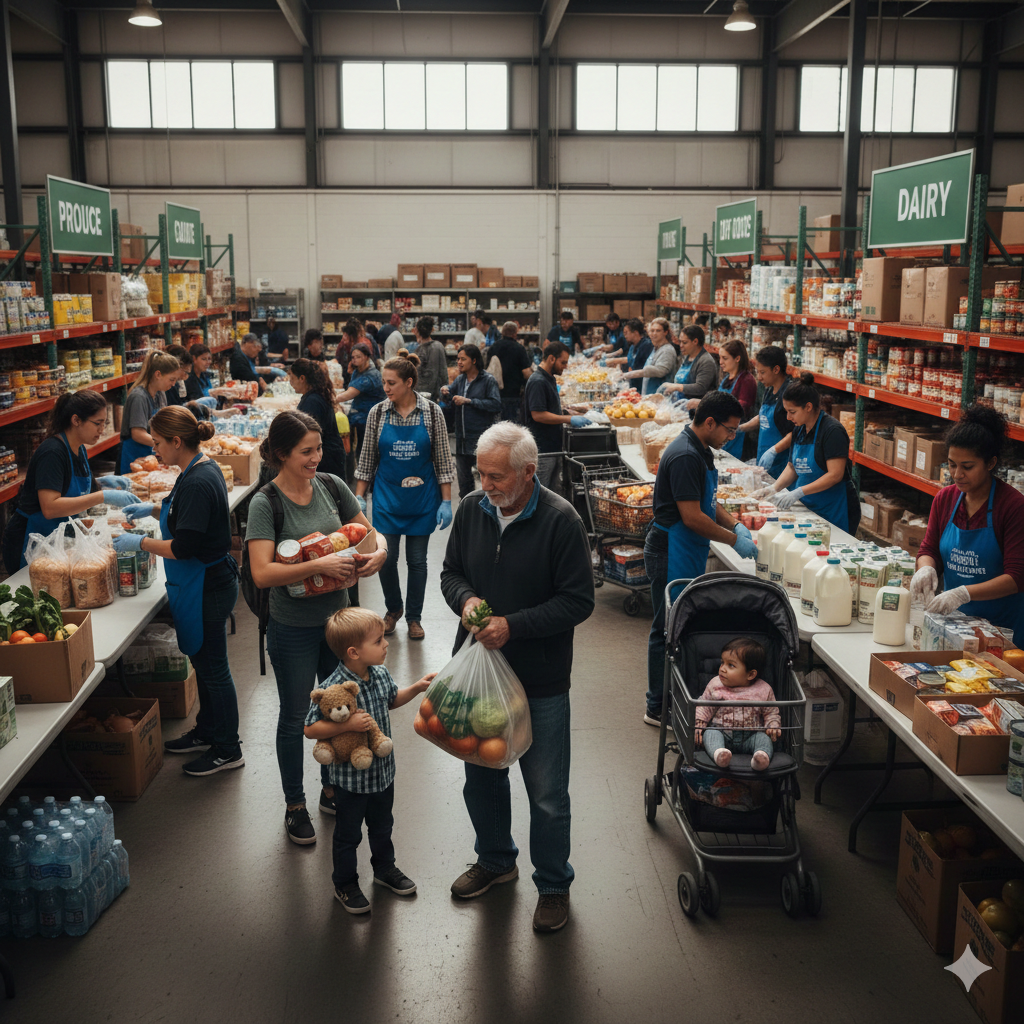
The Vital Lifeline: Why Local Food Banks Matter in a Global Context

In a modern, organized society, the responsibility for ensuring that no citizen goes hungry is often viewed as a fundamental obligation of the state. Governments possess the infrastructure, tax revenue, and legislative power to enact broad social safety nets like SNAP or school lunch programs. However, the reality of poverty is frequently more immediate and complex than a centralized bureaucracy can handle. Supporting a local food bank is not merely an act of charity; it is a vital community intervention that fills the inevitable gaps left by government policy, while highlighting the need for a more robust international framework to address poverty at its root.

Categories
Economics Social Issues

Vagrancy and Society

The Case for Structured Reintegration: A Keynesian and Socialist Approach to Vagrancy

The presence of widespread homelessness in modern society is often viewed through two narrow lenses: either as a criminal nuisance to be purged via incarceration or as an unfortunate “lifestyle choice” to be tolerated under the guise of civil liberties. Both perspectives fail the individual and the state. Homelessness is fundamentally a failure of social and economic architecture—it is detrimental to the health of the individual, the safety of the community, and the productivity of the nation.

Categories
Economics Health Care Social Issues

SNAP is a Fundamental Moral Imperative

The Moral and Practical Necessity of SNAP: A Lifeline Beyond Wages

The debate over the Supplemental Nutrition Assistance Program (SNAP) often centers on fiscal responsibility and labor participation. However, viewing SNAP solely through a budgetary lens ignores its fundamental role as a cornerstone of national stability and human dignity. While the ultimate goal of any healthy economy should be a “living wage” that allows all citizens to purchase food independently, cutting SNAP funds in the interim is not a solution—it is a moral and humanitarian failure. Protecting SNAP is not just a matter of policy; it is an fulfillment of a nation’s ethical and international obligations.

Categories
Economics Social Issues

Model Railroading and the Future of Society

The Vanishing Track: Why the Decline of Model Railroading Matters

The soft hum of a transformer and the rhythmic “click-clack” of miniature wheels on brass rails were once staples of the American basement and attic. Today, however, these sounds are fading into silence. The decline of model railroading is often dismissed as the natural obsolescence of an “old-fashioned” hobby in a digital age, but this perspective ignores the profound cultural, social, and civic loss that accompanies its disappearance. Model railroading is more than a craft; it is a visual manifesto for collective endeavor and a gateway to reimagining our public infrastructure.

Categories
Economics Education Social Issues

Department of Education Must Stay in Operation

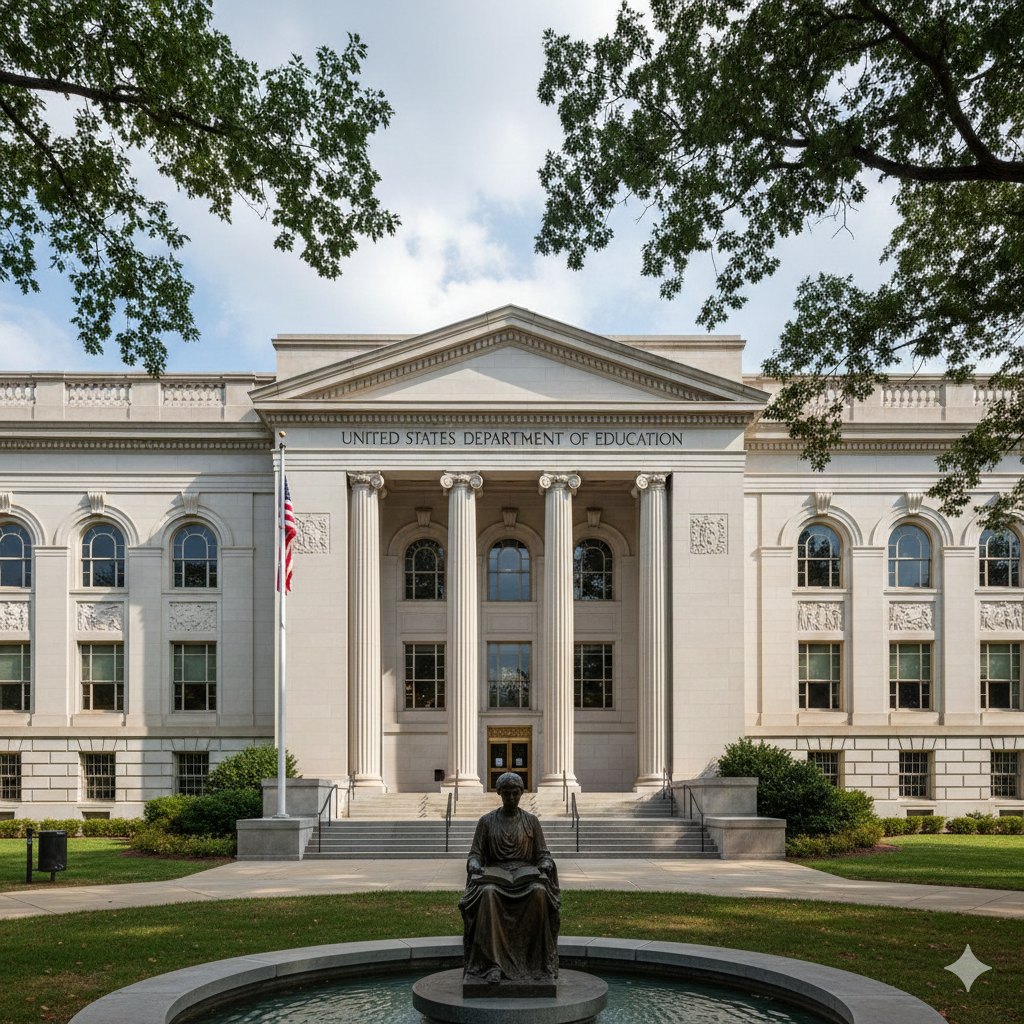
The debate over the existence of the U.S. Department of Education (ED) often centers on the tension between federal oversight and state autonomy. While critics argue that education is a local matter and the federal bureaucracy is an unnecessary “middleman,” the Department plays a critical, irreplaceable role in protecting the rights of vulnerable students and ensuring that zip codes do not determine the quality of a child’s future. Abolishing the Department would not merely shift paperwork to the states; it would dismantle the essential “guardrails” of equity, civil rights, and financial stability in the American education system.