Categories
Conflict Power

A Date that Shall Live in Infamy

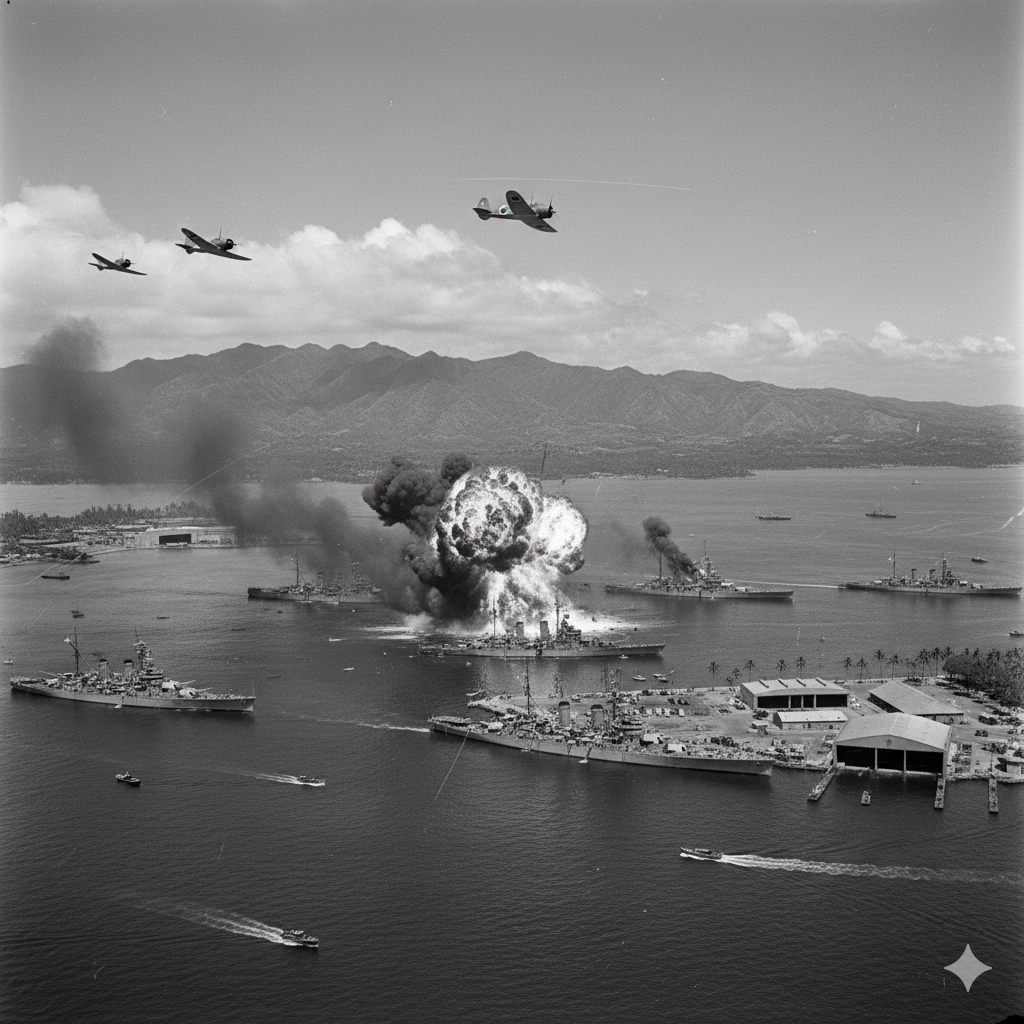
The 1941 attack on Pearl Harbor remains one of the most pivotal and sobering moments in modern history, a day that President Franklin D. Roosevelt declared “will live in infamy.” Remembering this event is not merely an act of memorializing the bravery and sacrifice of the 2,403 Americans who died; it is a vital, ongoing commitment to understanding the fragility of peace and the imperative for a robust international order. The sudden, devastating nature of the Japanese sneak attack was a traumatic shock that shattered America’s lingering isolationism and highlighted the fundamental need for strong international law, a powerful United Nations (UN), and arguably, an independent UN military force to prevent such unprovoked aggression from ever recurring.
Categories
Conflict Power Social Issues

UN Security Council

🇸🇪 A Moral Imperative: Restructuring the UN Security Council for the 21st Century

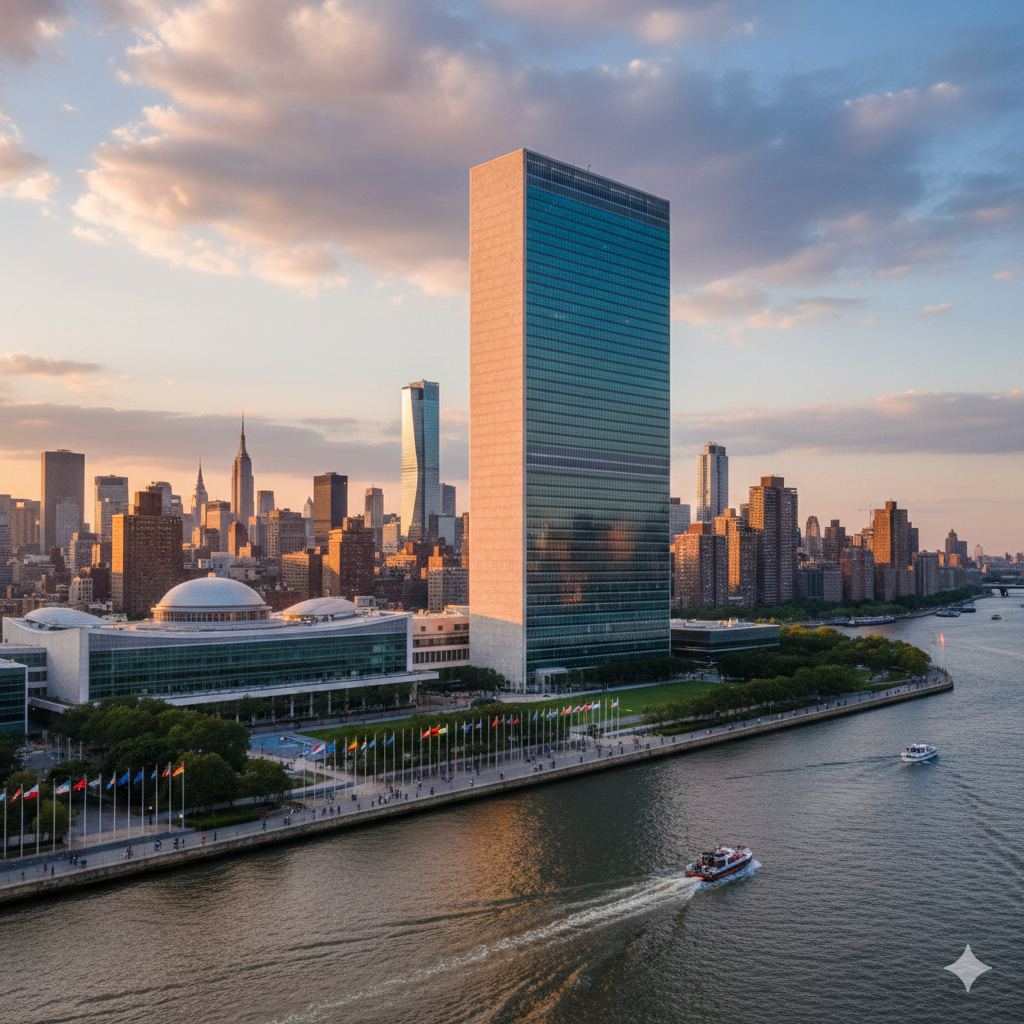
The United Nations Security Council (UNSC), charged with the primary responsibility for the maintenance of international peace and security, stands today as an anachronistic relic of a world order that has long since passed. The composition of its permanent members (P5)—the United States, China, Russia, France, and the United Kingdom—was decided not by principles of universal justice or consistent adherence to the UN Charter, but by the raw military and political power of the victors of World War II. To usher in a new era of global governance that truly lives up to the lofty ideals of its founding document, the P5 must voluntarily step down, and a new, more principled standard for membership, one centered on constitutional governance, human rights, and social democracy, must be established.

Categories
Conflict Power Social Issues

Venezuela and the Airspace “Closure”

The Case for Multilateralism: Unilateral Airspace Closure and the Need for the UN

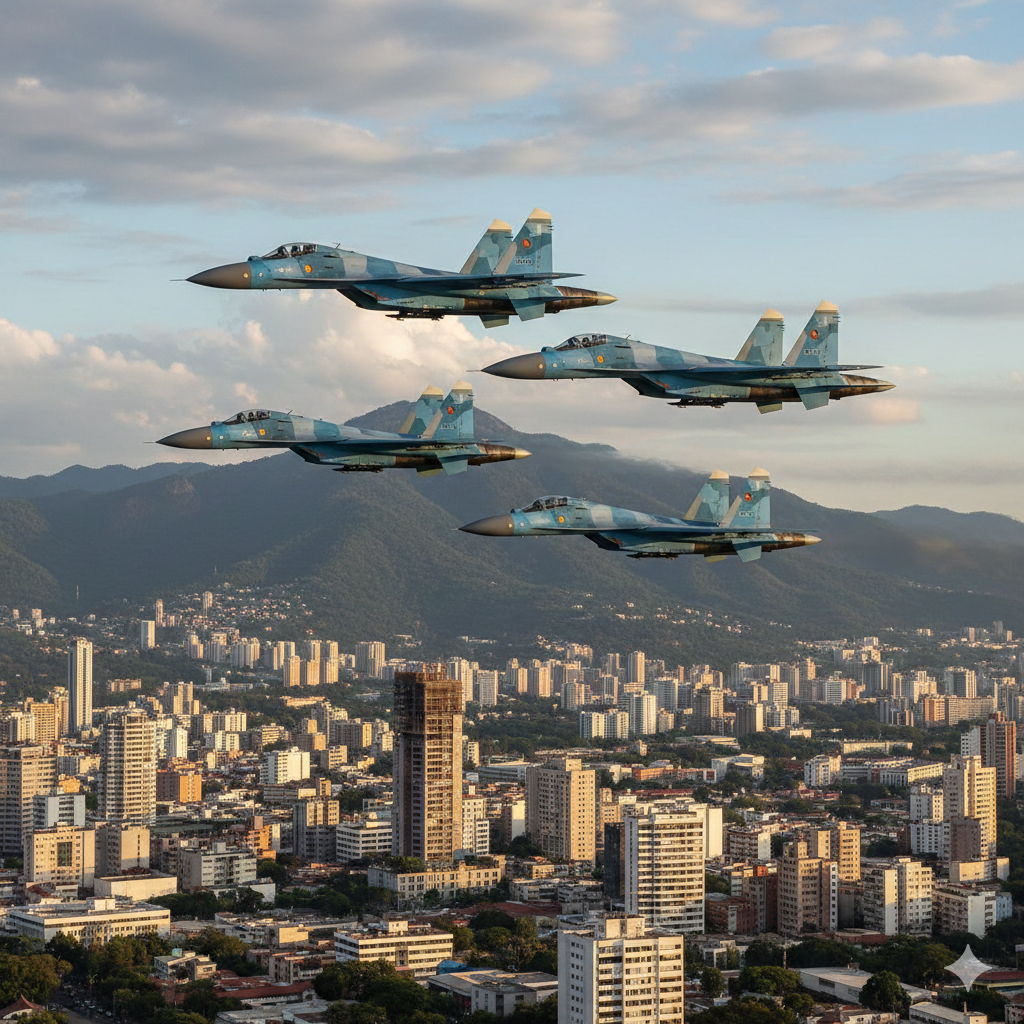
The purported closure of the airspace surrounding Venezuela by the President of the United States, as recently stated, serves as a powerful case study for the fragility of global order and the indispensable need for international law and robust multilateral institutions. While the assertion may be rooted in addressing transnational issues such as drug trafficking, the unilateral nature of the declaration directly challenges the foundational principles of state sovereignty and global stability. Such a move underscores that complex geopolitical problems are inherently international in scope and must be resolved by collective bodies, not by the coercive power of a single nation.