Categories
Conflict Power Social Issues

Don’t Forget About Gaza

As we enter 2026, the global news cycle has moved with its characteristic and often cruel velocity. The headlines are dominated by domestic debates over ICE, the geopolitical maneuvers surrounding Greenland, and the surge of international protests. Yet, beneath the noise of these newer crises, a silence has settled over the Gaza Strip—a silence that must not be mistaken for peace.

The “Gaza issue” is far from resolved. Despite the fragile ceasefire that took hold in late 2025, the reality on the ground remains a testament to human suffering and political stagnation. To forget Gaza now is to abandon millions to a cycle of poverty, rubble, and “managed” violence that offers no path toward a dignified future.
Categories
Conflict Power Social Issues

Donald Trump and the Serious Erosion of Trust

The presidency of Donald Trump has fundamentally altered the concept of “trust” in modern governance, replacing a system of stable, value-based expectations with one defined by transaction and unpredictability. This erosion of trust operates on two fronts: internationally, where the bedrock of the transatlantic alliance has been shaken, and domestically, where the legitimacy of the administrative state and the democratic process itself has been called into question.

Categories
Conflict Power Social Issues

Is this Munich all over Again?

The Shadows of Davos: Will the Greenland Accord Mirror Munich?

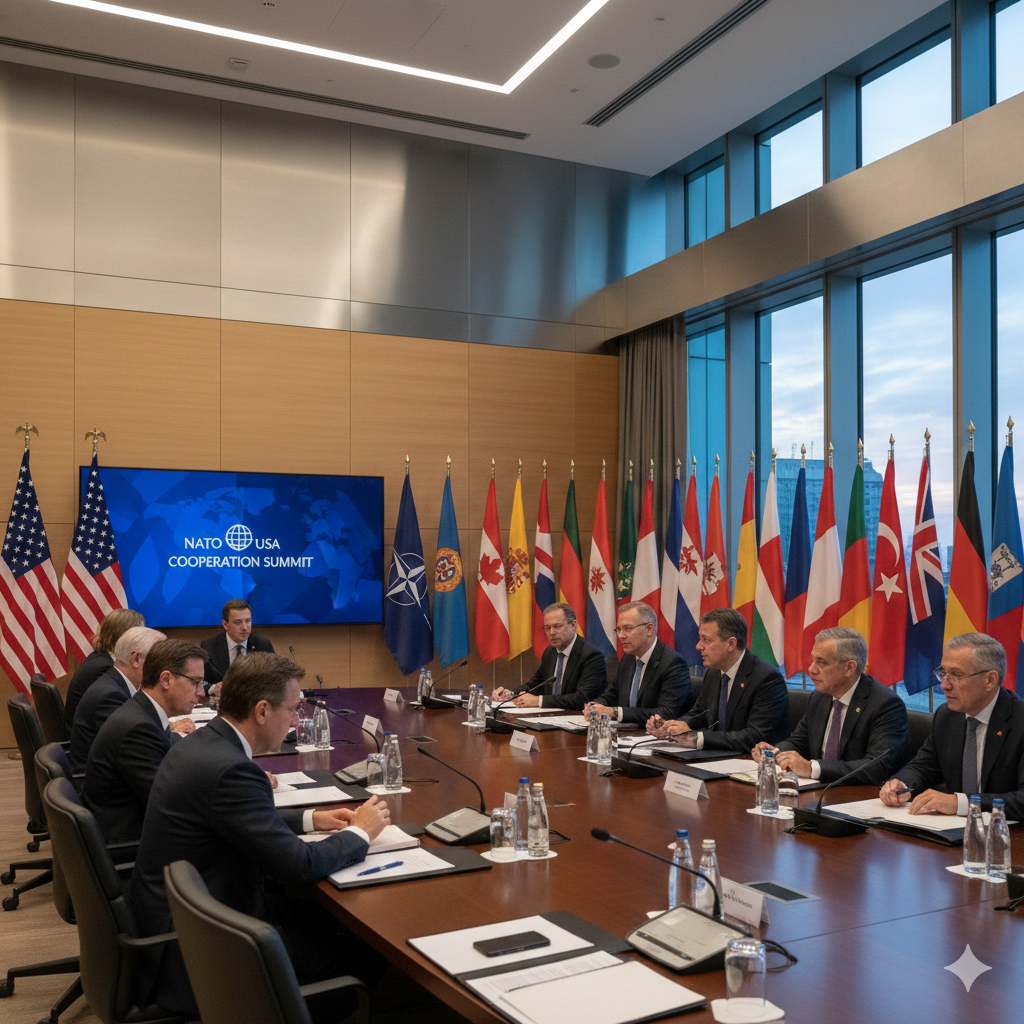
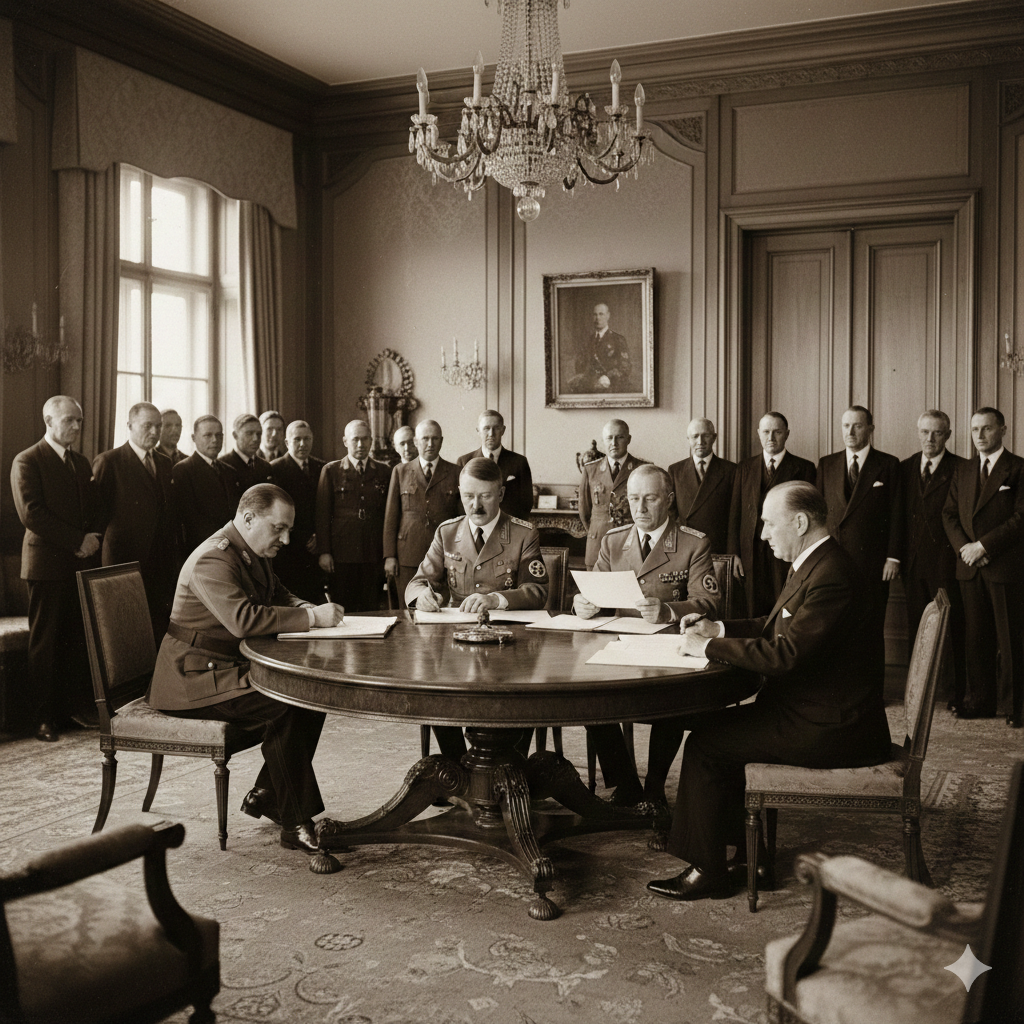
The announcement today in Davos of a “framework” agreement between President Trump and European leaders—purportedly ending the immediate threat of 10% to 25% tariffs in exchange for a “future deal” on Arctic security and Greenland—has been met with a collective sigh of relief from global markets. On the surface, the “trade bazooka” has been holstered, and the specter of a trans-Atlantic trade war has receded. However, for those with a sense of history, the atmosphere feels uncomfortably familiar. One cannot help but look at this “framework” and hear the faint, haunting echoes of the 1938 Munich Agreement.

While the geopolitical stakes of 2026 are not an exact mirror of the 1930s, the structural parallels are unsettling. Today, we must ask: Is this truly a blueprint for a stable Arctic, or is it merely “peace in our time”—a temporary reprieve that emboldens future aggression?

Categories
Conflict Economics Power

United Nations Power Must be Expanded and Increased

The Custodian of Sovereignty: Why the UN Must Decide the Fate of Greenland

In early 2026, the international community finds itself at a geopolitical crossroads. While President Trump has recently stepped back from threats of military force to acquire Greenland, the pivot toward “economic pressure”—including the weaponization of tariffs and coercive diplomacy—presents an equally grave challenge to global stability. To prevent the erosion of national sovereignty and the return of colonial-era land acquisitions, the United Nations (UN) must assert itself as the primary arbiter of Greenland’s fate. Furthermore, to safeguard the global economy from unilateral aggression, the power to regulate tariffs must be transferred from individual nations to the UN, establishing the organization as a “giant” capable of protecting the weak from the whims of the powerful.

Categories
Conflict Economics Power

What will Happen with Europe?

The concept of a “European Century” has moved from a theoretical academic debate to a central geopolitical question in 2026. As the United States adopts an increasingly isolationist and transactional “America First” posture, the European Union (EU) finds itself at a historical crossroads.

Whether the EU can replace the US as the world’s foremost superpower depends on how it manages three distinct pillars: economic leverage, military independence, and ethical leadership.

Categories
Conflict Power Social Issues

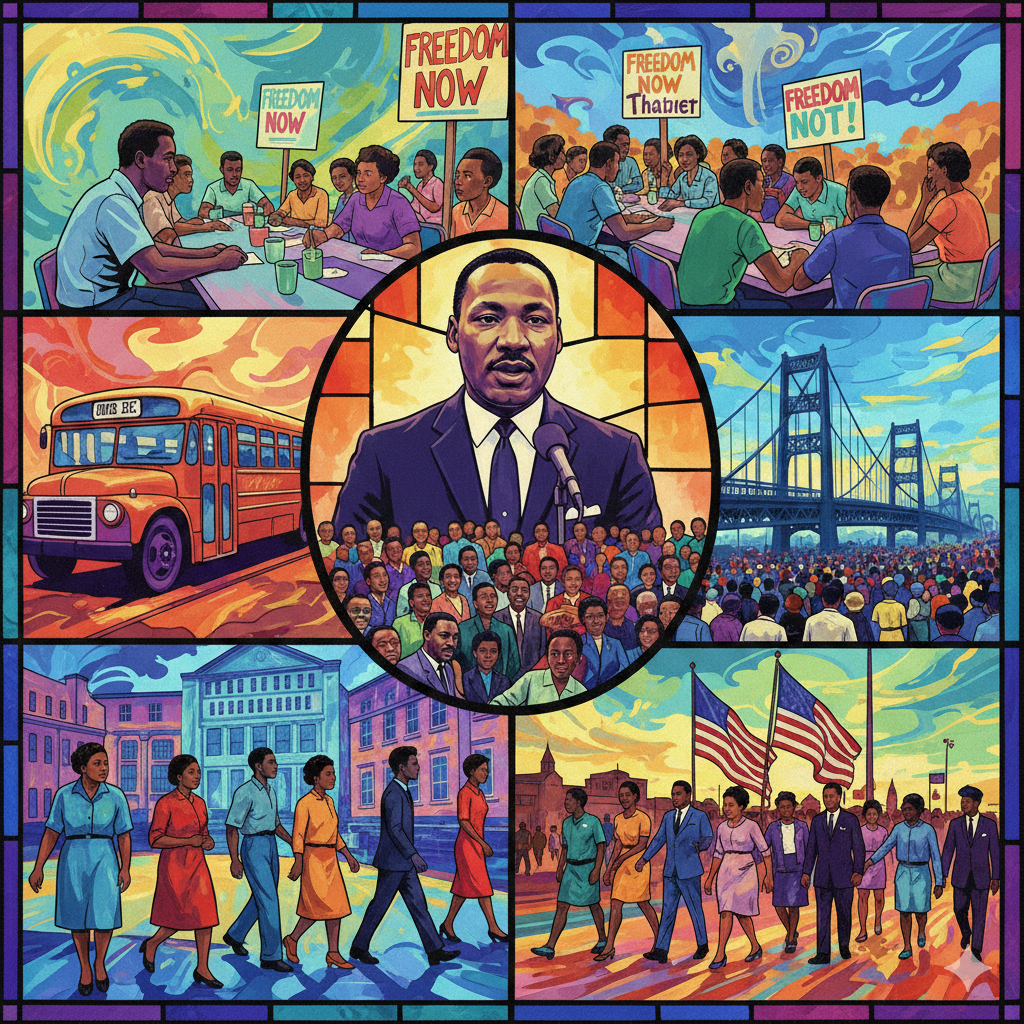
Dr. Martin Luther King Day

Each year, as we observe Dr. Martin Luther King Jr. Day, we do more than simply remember a man; we honor a philosophy of transformation that remains the most viable blueprint for social progress. In our current era, where tensions between government agencies like Immigration and Customs Enforcement (ICE) and immigrant rights protesters often reach a boiling point, King’s legacy offers a critical middle path. His life taught us that the pursuit of justice is most powerful when it is conducted with a disciplined commitment to peaceful assembly and a profound, mutual respect between the citizen and the state.

Categories
Conflict Economics Health Care Social Issues

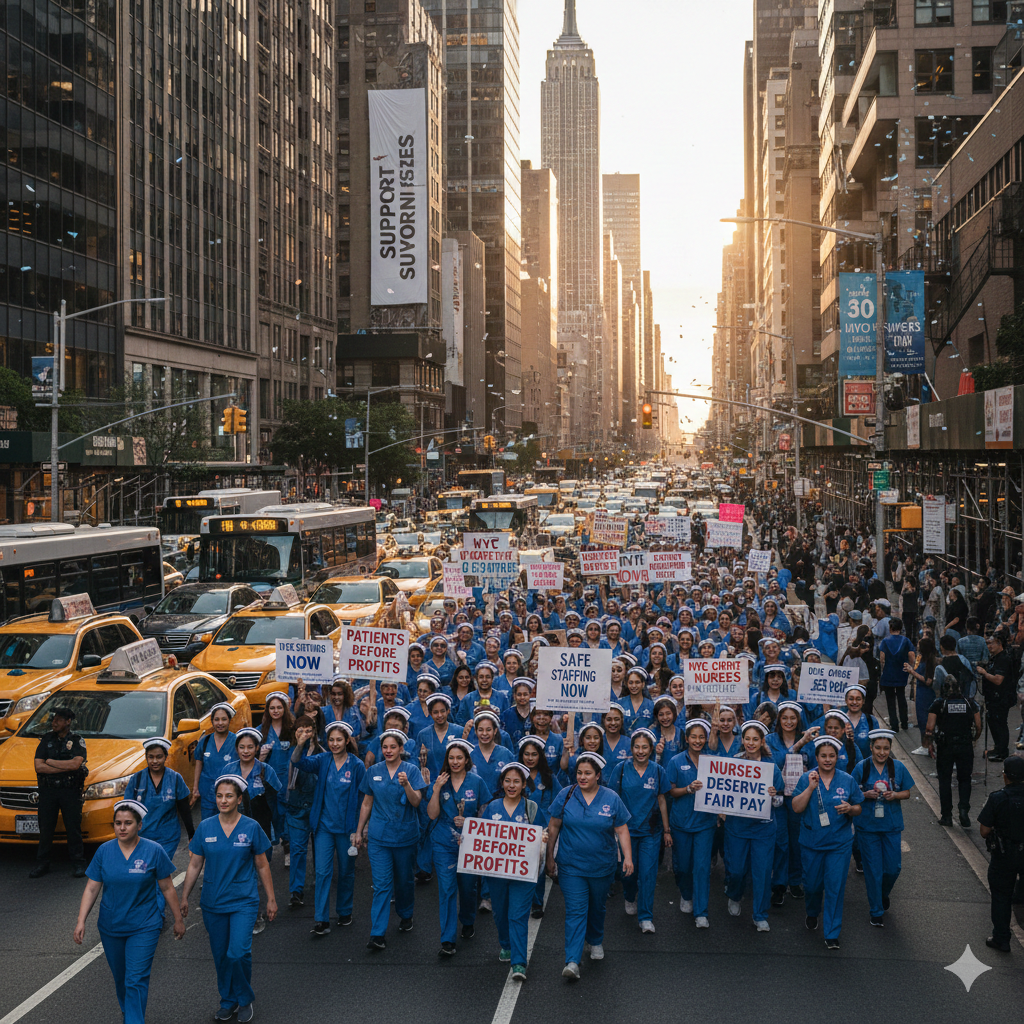
New York City Nurse Strike

In January 2026, the streets outside New York City’s most prestigious medical institutions—Mount Sinai, Montefiore, and NewYork-Presbyterian—became the front lines of a historic labor struggle. Over 15,000 nurses walked off the job, initiating the largest strike in the city’s history. While critics often point to the disruption of care as a reason to avoid such actions, the reality is that the NYC nurse strike is not merely a dispute over paychecks; it is a necessary, moral stand for the sustainability of the healthcare system and the safety of the patients within it.

Categories
Conflict Economics Power

Tariffs and the United Nations

The Greenland Gambit: Unilateral Tariffs and the Case for Multilateral Governance

The early weeks of 2026 have witnessed a dramatic escalation in transatlantic tensions, as President Donald Trump announced sweeping tariffs on several European nations—most notably Denmark and Finland—over the ongoing Greenland dispute. Citing the need for “The Golden Dome” missile defense system and expressing concerns over Arctic security, the administration has weaponized trade policy to pressure sovereign nations into a territorial sale. While the administration frames these measures as a tool for national security and economic reciprocity, this unilateral approach highlights a growing crisis in global governance. To ensure a balanced and stable global economy, the authority to regulate international trade and impose tariffs should reside not with individual superpowers, but within a empowered multilateral framework, ideally overseen by the United Nations and its associated bodies.

Categories
Conflict Power Social Issues

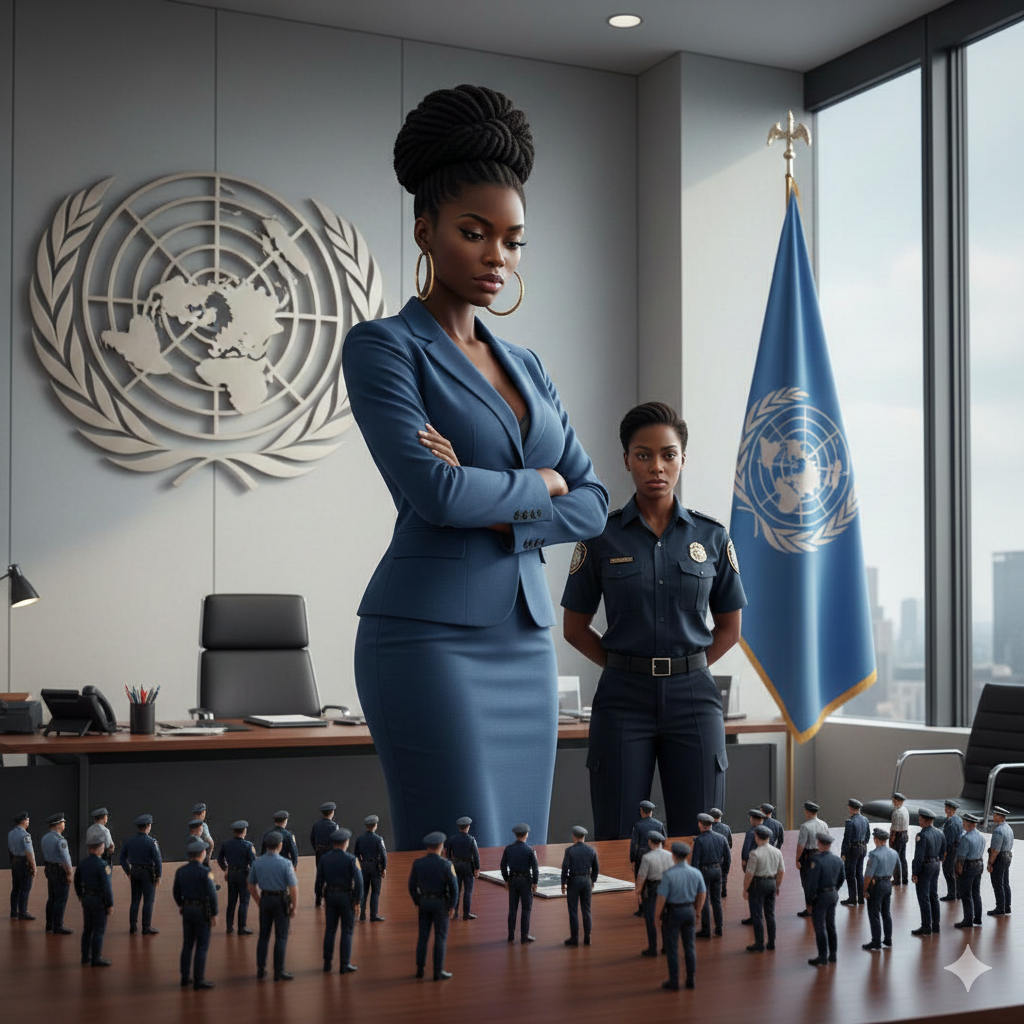
United Nations and the National Police Forces

The Case for Global Oversight: Why the UN Needs the Power to “Police the Police”

The fundamental duty of any police force is to protect and serve the citizenry. However, across the globe, we increasingly witness a disturbing inversion of this role. From the aggressive tactics of Immigration and Customs Enforcement (ICE) in the United States to the systemic suppression of dissent by police in Russia, Iran, and China, law enforcement has frequently become an instrument of state-sponsored abuse rather than a guardian of public safety. Because these abuses often stem from the highest levels of national government, domestic accountability mechanisms are frequently compromised or non-existent. To protect universal human rights, the United Nations must be granted expanded authority to monitor national police forces, supported by an independent body with the mandate to “police the police.”

Categories
Conflict Power Social Issues

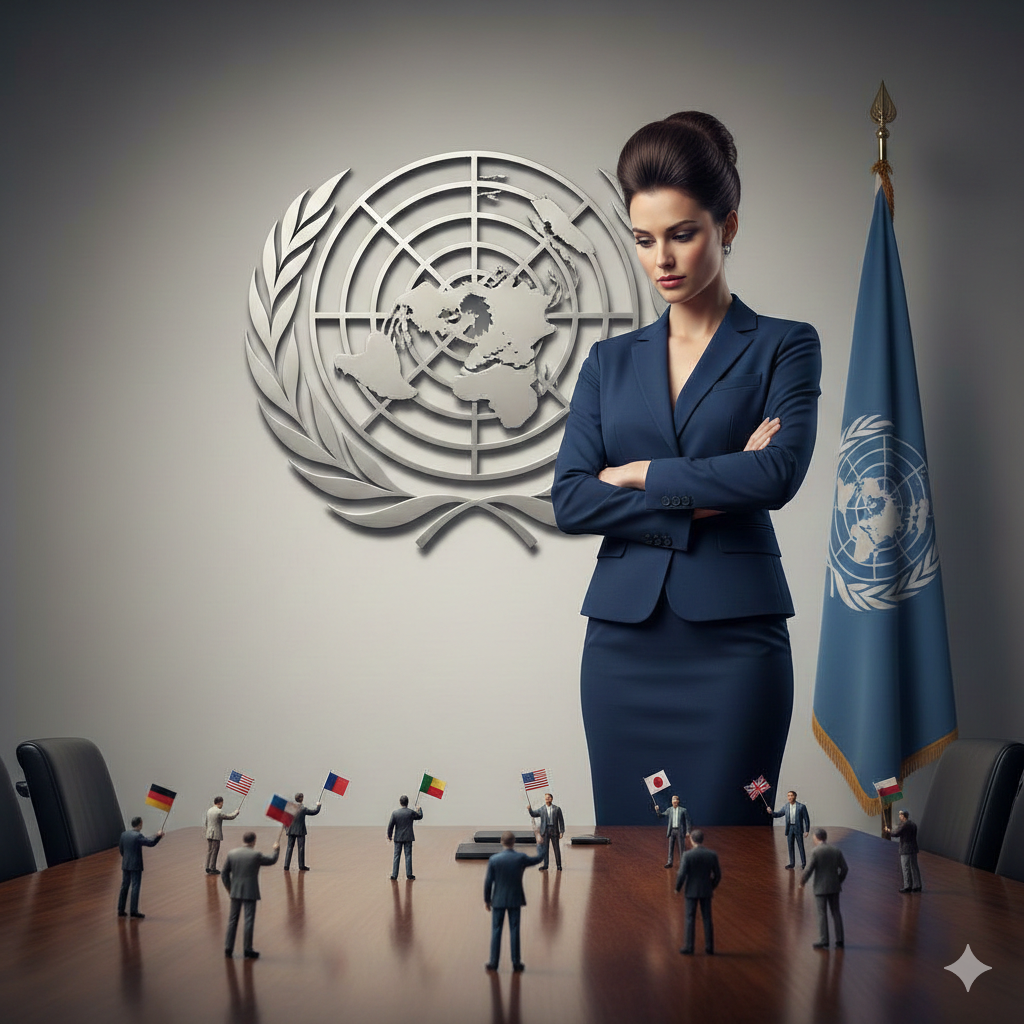
Where is the Secretary General of the United Nations?

The Greenland Summit: A Failed Dialogue and a Missing Arbiter

The high-stakes meeting at the White House on January 14, 2026, between representatives from Denmark, Greenland, and the United States, was ostensibly designed to de-escalate what has become a defining geopolitical crisis of the mid-2020s. Instead, the sit-down—hosted by Vice President JD Vance and Secretary of State Marco Rubio—underscored a chilling reality: the international order is currently a theater of “might makes right,” where the sovereignty of smaller nations is treated as a line item in a real estate ledger.

President Trump’s relentless pursuit of Greenland, framed as a “national security necessity” to preempt Russian and Chinese influence, has pushed a NATO ally to the brink. While the meeting resulted in the formation of a “working group,” the fundamental disagreement remains: Washington insists on acquisition, while Copenhagen and Nuuk insist on the inviolability of borders. Yet, in this room filled with diplomats and security hawks, there was one glaring, inexcusable absence: the Secretary-General of the United Nations.