The Case for Linux in School Systems: Fiscally Responsible and Educationally Superior
The modern educational environment requires a robust, secure, and cost-effective digital infrastructure. For decades, proprietary operating systems like Microsoft Windows have dominated school computer labs, but a closer examination reveals that this reliance often hinders both the budget and the learning outcomes of students. Transitioning school systems from Windows to a Free and Open Source Software (FOSS) platform like Linux is a financially responsible move that simultaneously delivers profound educational benefits, fostering a generation of digitally autonomous and critically thinking users.
The most immediate and compelling argument for adopting Linux is the dramatic reduction in cost. Proprietary operating systems and their accompanying essential software, such as the Microsoft Office Suite, require perpetual licensing fees that strain already tight school budgets. Linux distributions, such as Ubuntu or Linux Mint, are available at zero acquisition cost. Furthermore, a vast ecosystem of high-quality, open-source applications like LibreOffice provides all the functionality students need for word processing, spreadsheets, and presentations, eliminating the need to purchase expensive commercial equivalents. Case studies, such as the widely cited example of Penn Manor High School, have demonstrated that switching to a Linux-based environment can result in hundreds of thousands of dollars in savings annually. These savings can be immediately reinvested into crucial areas like teacher training, classroom resources, and updated hardware, maximizing taxpayer value and enhancing the overall quality of education.
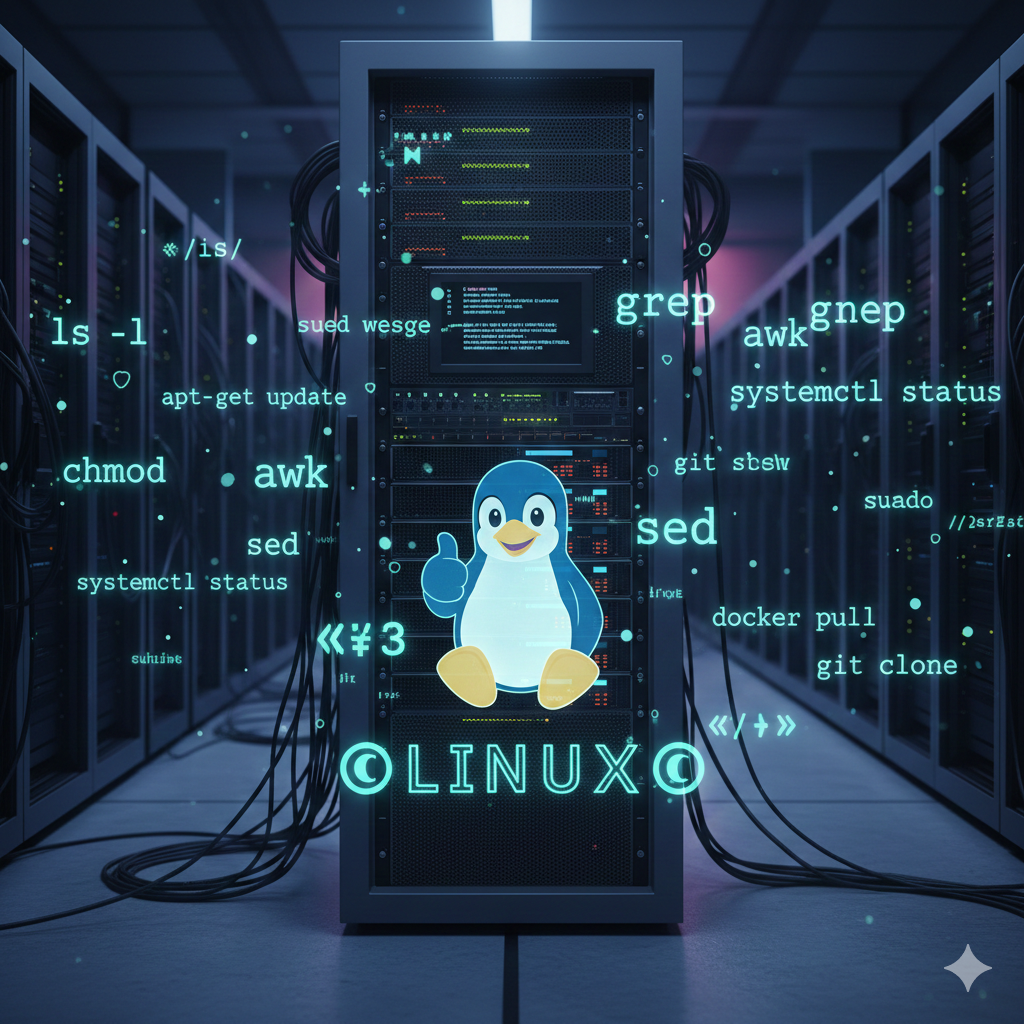
Beyond the financial calculus, Linux offers a superior educational platform for learning about computers and software. Proprietary systems often function as a “black box,” presenting a clean, simplified interface that conceals the underlying processes. While convenient, this approach encourages passive consumption rather than active understanding. Linux, by contrast, is fundamentally transparent. Students gain exposure to the core components of an operating system, learning how permissions work, how to navigate the file system, and how to use the command line (shell scripting). These practical, hands-on skills are essential for anyone pursuing fields in computer science, engineering, or IT. By giving students the freedom to view, modify, and troubleshoot the operating system itself, Linux transforms them from simple technology users into active digital problem-solvers, preparing them directly for the collaborative, open-source environment that dominates much of the modern technology industry.
Finally, adopting Linux aligns with a critical philosophical goal of education: promoting freedom, autonomy, and critical thought regarding privacy. The open-source nature of Linux means there are no hidden processes or aggressive telemetry collecting user data. This fundamental respect for user privacy teaches students a crucial lesson about digital citizenship—the importance of understanding who controls their data and the value of software that respects their rights. By learning on a system they are free to inspect and control, students develop the self-sufficiency to maintain their own devices and become appropriately suspicious of private companies that prioritize profit and data harvesting over user freedom. This is not just a technical lesson; it is a vital lesson in digital ethics, empowering students to navigate a complex technological world with independence and integrity.
In conclusion, the decision for school systems to adopt Linux is a powerful strategic choice that is superior to continued reliance on proprietary platforms. It is fiscally sound, providing substantial cost savings that can be repurposed for direct educational uplift. It is educationally rich, offering a transparent and customizable environment that fosters deeper technical understanding and vital problem-solving skills. Most importantly, it is ethically responsible, championing the values of user freedom and digital autonomy necessary for responsible citizens in the 21st century. By embracing the open-source philosophy, schools can deliver a high-quality, relevant, and budget-friendly technology education that truly prepares students for the future.