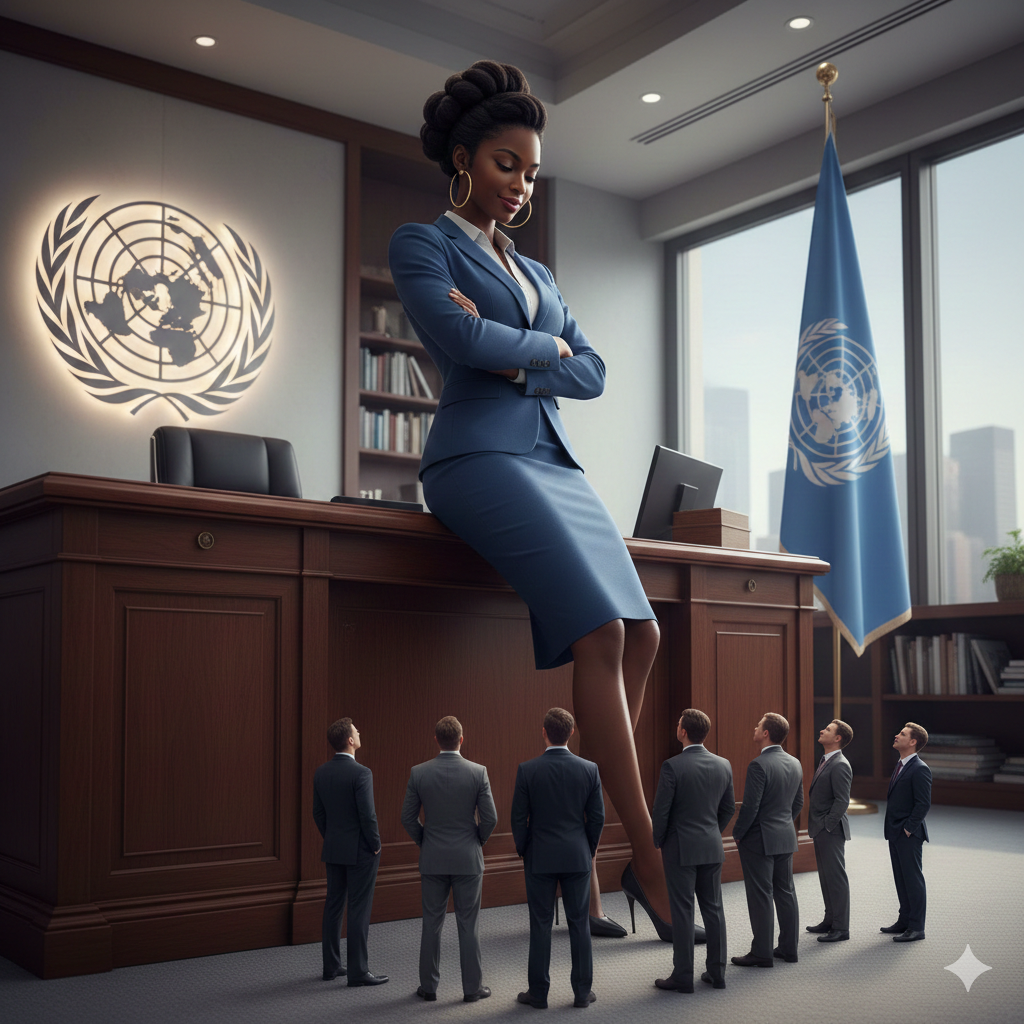
The Imperative for a Strengthened UN: Power Without Abuse and Exploitation
The United Nations, conceived in the wake of catastrophic conflict, serves as the central institutional expression of global cooperation. Yet, in an era defined by transnational crises—climate change, pandemics, and complex civil wars—the organization often appears paralyzed, a forum for debate rather than an instrument of action. To fulfill its mandate for peace, development, and security, the UN must undergo a radical transformation. This essay argues that the UN requires substantially enhanced authority in leadership, military capability, and fiscal independence to effectively address world and national issues. Crucially, this strengthening must be engineered not to compromise the independence of sovereign states, but to elevate global standards, foster democratic socialism as an ideological backbone, and empower the Secretary-General as the world’s foremost political authority.
The primary hurdle to a more effective UN is the perceived conflict between global authority and national sovereignty. To overcome this, the strengthened UN must operate on principles of pooled sovereignty and mandatory cooperation, where enforcement mechanisms are derived from universally ratified treaties, not imposed paternalism. For instance, the Security Council’s veto power, the greatest impediment to efficacy, must be reformed or replaced by weighted supermajorities that reflect collective global will, thereby holding individual states accountable to obligations they have already signed. In this framework, national independence is preserved in all matters outside of universally recognized global security and human rights standards, making compliance with the UN a matter of shared survival, not subjugation.
Furthermore, the UN’s ethical foundation must be explicitly focused on the principles of democratic socialism. While the current Charter is often described in terms of general human rights, its core commitment in Article 55 to “higher standards of living, full employment, and conditions of economic and social progress and development” inherently aligns with a democratic socialist model. By formally adopting and promoting democratic socialism—characterized by democratic control, social equity, and economic planning for public good—the UN could establish a unified moral and developmental standard. This standard would guide member states towards systems that prioritize the welfare of their citizens and the stability of the global economic order, thereby reducing the domestic inequalities and social unrest that fuel international instability.
To provide the political direction necessary for this ambitious agenda, the office of the Secretary-General must transition from chief administrator to the most powerful and respected diplomatic office in the world. This requires transforming the SG’s selection process into a global campaign that bestows a direct mandate, giving the office the moral and political capital to challenge obstructionist member states. The Secretary-General, as the singular voice of global conscience, should possess expanded authority to set the UN’s agenda, initiate Security Council action, and mediate disputes with mandatory binding recommendations. Such a figure, respected and listened to by all nations, would wield soft power amplified by institutional hard power, creating accountability where it currently fails.
The ultimate expression of this necessary strength lies in acquiring independent military and fiscal capabilities. The current model of voluntary peacekeeping contributions leaves the UN’s military capacity hostage to national political whims. Establishing a permanent, well-funded UN military force, directly trained and loyal only to the organization, is vital for rapid, decisive intervention in genocides and acute humanitarian crises, bypassing the gridlock of national self-interest. To fund this, the UN must achieve fiscal autonomy through the establishment of a modest power to tax individual incomes globally. By collecting a small, progressive global levy, the UN would secure stable, independent funding for its critical operations—including climate mitigation, global health, and its standing military—freeing it from the crippling dependency on the largest donor states and securing its impartiality.
In conclusion, the United Nations stands at a critical juncture, capable either of drifting into obsolescence or of evolving into the robust global management body the 21st century requires. This evolution demands a commitment to radical, structural change: empowering the Secretary-General, aligning the mission with democratic socialist principles of equity, and ensuring fiscal and military independence. By carefully designing these new powers to enforce collectively agreed-upon global standards, the UN can strengthen its authority without compromising the independence of its members, finally transitioning from a mere debating society to an effective, indispensable instrument of global justice and peace.