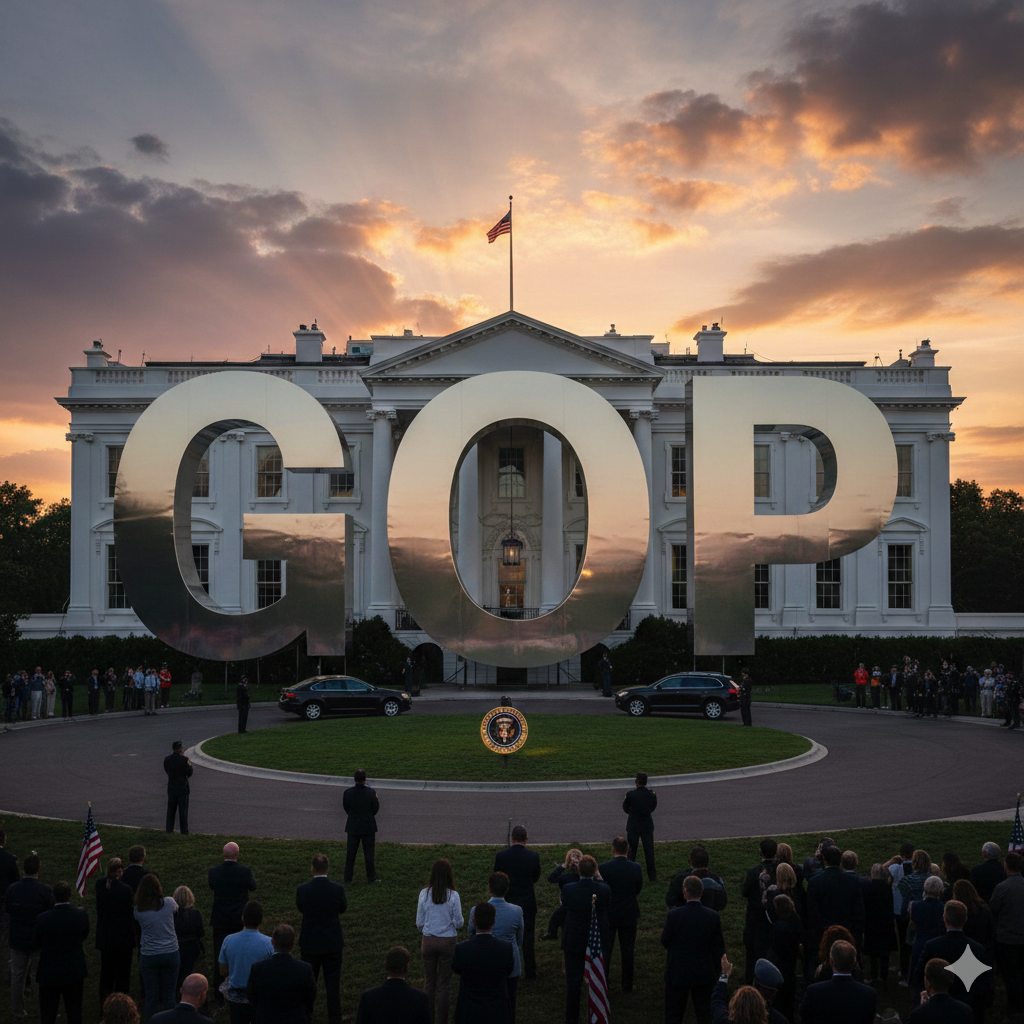
The Greater Burden: Why Republican Economic Policy Hurts the Poor More Than Social Issues
In contemporary American politics, social issues often dominate the electoral landscape, from abortion rights and gun control to cultural debates. These issues rightly spark passionate responses and deep moral concerns. However, when evaluating the impact of a political party on the well-being of the most vulnerable citizens, a pragmatic analysis reveals that Republican economic policies often inflict greater, more pervasive, and more measurable harm than their controversial stances on social matters. For low-income and working-class Americans, the party’s dedication to supply-side economics—characterized by regressive taxation and deep cuts to the social safety net—creates material damage that far outweighs the impact of social policy disagreements.
The foundational principle of modern Republican economic strategy is often referred to as “trickle-down economics,” the idea that tax cuts for corporations and the wealthy will spur investment, job creation, and ultimately raise wages for everyone. Decades of implementation, however, have provided compelling evidence that this theory disproportionately benefits those at the top while exacerbating economic inequality. Major tax reforms passed by Republican administrations, such as the 2017 Tax Cuts and Jobs Act, have been overwhelmingly concentrated among the wealthiest households, often yielding meager, temporary benefits for the middle and lower classes. Analysis frequently shows that tax breaks flow primarily into stock buybacks and increased corporate profits, enriching CEOs and shareholders rather than translating into substantial, long-term wage growth for workers. The result is a substantial “redistribution in reverse,” where policies are systematically designed to concentrate wealth upward, making the American dream of economic mobility increasingly distant for those struggling at the bottom.
To finance these tax cuts, Republican platforms consistently propose and pursue dramatic reductions in non-defense discretionary spending, which targets the very social safety net programs relied upon by the poor. These cuts are not abstract budget figures; they represent vital services like Medicaid, the Supplemental Nutrition Assistance Program (SNAP), and federal housing assistance. For a low-income family, a loss of health insurance through Medicaid can mean untreated chronic illness, medical debt, and bankruptcy—a direct and catastrophic blow to their economic stability and physical well-being. Similarly, cutting SNAP increases food insecurity for millions of children, which correlates directly with long-term developmental issues and poor health outcomes. These policies create an immediate and tangible hardship for the poor, transforming budget balancing into a question of survival. While social debates engage values and ideology, the retraction of economic lifelines determines whether a family can afford shelter, food, and necessary medical care, creating a level of material devastation that eclipses the effects of most social policy debates.
In conclusion, while social and cultural issues understandably command attention and reflect important moral differences, the sustained economic platform of the Republican party—centered on regressive taxation that fuels inequality and austerity measures that gut the social safety net—imposes the heaviest burden on the poor. When considering electoral choices, the immediate and measurable deterioration of economic opportunity and physical health resulting from these policies arguably makes the economic sphere the most critical point of concern for voters prioritizing the welfare of the working class and the impoverished.