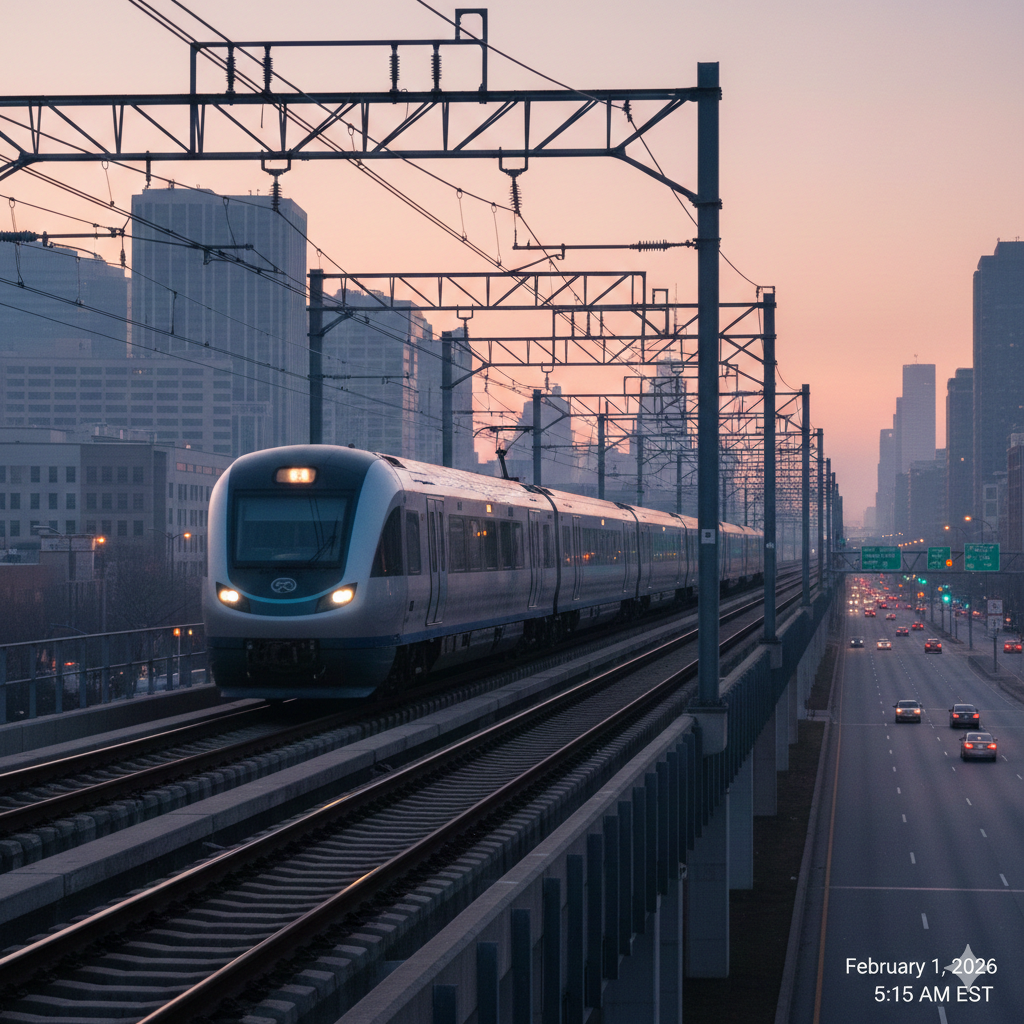
The move toward electric rail is more than just a nostalgic nod to the past; it is a critical pivot for a sustainable future. As we navigate the year 2026, the case for a “rail renaissance” has never been stronger. Transitioning back to a rail-centric society addresses three of the most pressing challenges of our era: the climate crisis, the inefficiency of urban sprawl, and the demand for seamless, stress-free travel.
1. The Environmental Imperative
Electric trains are the gold standard for sustainable mass transit. Unlike cars and airplanes, which rely heavily on liquid fuels, electric trains can be powered by a diverse and increasingly green energy grid.
- Carbon Efficiency: Even on a mixed energy grid, electric trains produce significantly fewer emissions than other modes of transport. For instance, traveling by rail instead of flying can reduce your carbon footprint by up to 85-96% for comparable routes.
- Zero Tailpipe Emissions: Because they run on overhead wires or third rails, electric trains eliminate local pollutants like nitrogen oxides and particulate matter, drastically improving air quality in dense urban corridors.
- Regenerative Power: Modern electric units use regenerative braking, capturing the energy from slowing down and feeding it back into the system—a level of efficiency that traditional internal combustion engines simply cannot match.
2. Redefining Transportation Efficiency
The physical “footprint” of transportation is a growing concern for city planners. Our current reliance on highways is a spatial nightmare that promotes congestion and land degradation.
- Space Optimization: A single two-track railroad can carry as many people per hour as a 16-lane highway. Moving back to rail allows us to reclaim vast amounts of paved land for parks, housing, or agriculture.
- Relieving Congestion: By moving medium-distance travelers and commuters onto the tracks, we reduce the “gridlock tax”—the billions of hours and gallons of fuel wasted in traffic every year.
- Intermodal Synergy: In 2026, rail serves as the “backbone” of a wider ecosystem. When integrated with “first-mile/last-mile” solutions like electric shuttles or bike-sharing, rail becomes the most logical way to move through a region.
3. The Convenience of the “Third Space”
Perhaps the most persuasive argument for rail is the quality of the journey itself. Driving is a chore; flying is a series of stressful hurdles. Rail, however, offers a “third space” where the journey is as valuable as the destination.
- Connectivity and Productivity: With the rollout of LEO (Low Earth Orbit) satellite Wi-Fi and 5G hybrid networks, modern trains like the Amtrak Airo (launching this year) turn travel time into work or leisure time. You can host a video call or stream a movie without the “airplane mode” restrictions.
- Center-to-Center Travel: Trains deliver you to the heart of the city, bypassing the hour-long treks to remote airports and the exorbitant costs of airport parking.
- Comfort and Amenities: Rail travel offers room to breathe—literally. With more legroom, the ability to walk around, and dedicated cafe cars, it provides a level of dignity and comfort that has been stripped away from economy-class air travel.
Conclusion: The Track Ahead
Returning to rail is not a step backward; it is an evolution toward a more intentional and responsible way of living. By investing in electrified tracks and high-speed corridors, we aren’t just building a transport network—we are building a more livable world.
The infrastructure is a long-term commitment, but as we see in 2026, the rewards in air quality, time saved, and mental well-being are undeniable. It is time to stop paving and start plating—plating the tracks for a greener, faster future.
One reply on “Electric Rail: Future of Transport”
I love that the blog touches on the broader societal shift towards sustainability with electric rail. While the technology is amazing, it’s the long-term planning that will make this transition successful—integrating rail into both city infrastructure and larger transportation systems.