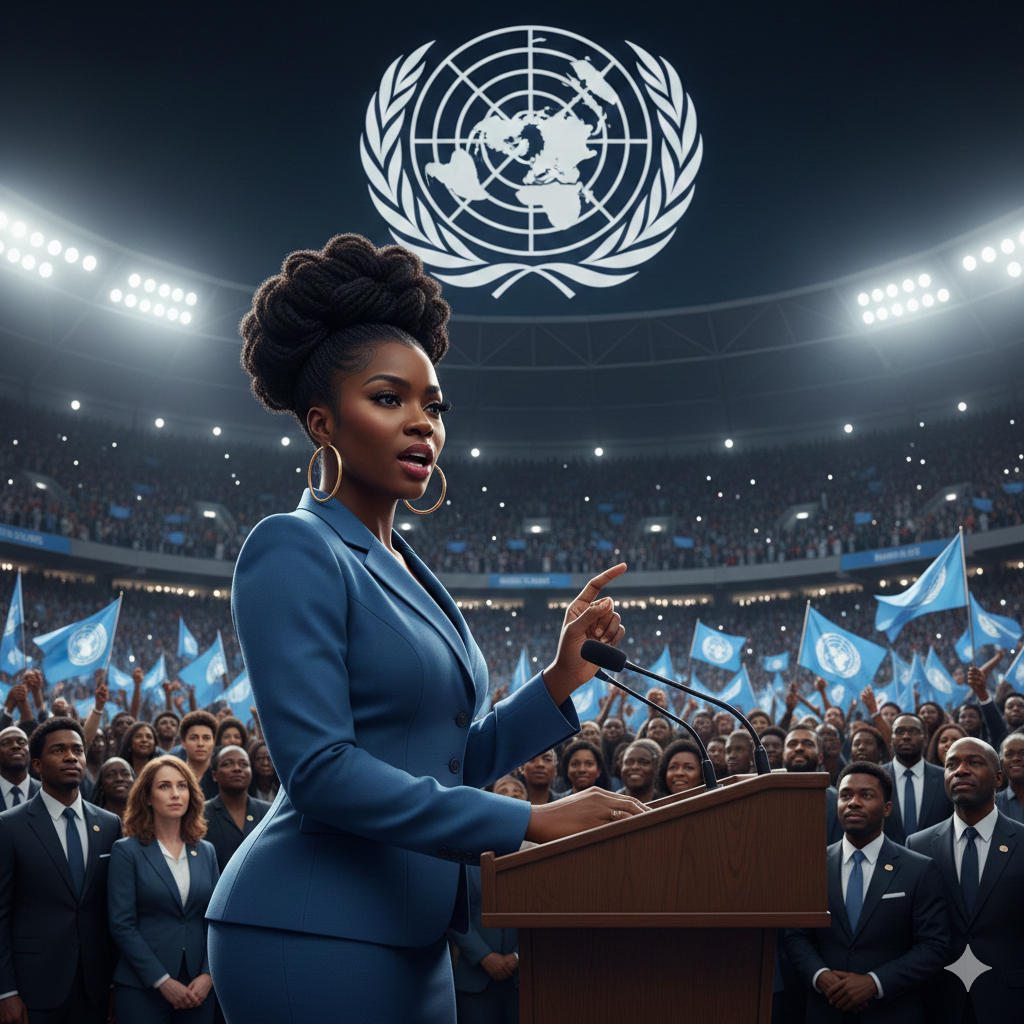
The Case for a Resurgent United Nations: Toward a Global Mandate
For eight decades, the United Nations has functioned primarily as a “watering hole” for diplomats—a place to air grievances and manage crises through the lens of national interest. However, as the challenges of the 21st century—from climate collapse to unregulated AI—transcend every border, the traditional model of a passive UN is increasingly obsolete. To ensure human survival, the United Nations must transition from a mediator of states to a champion of humanity. This requires a radical shift: the UN must advocate for its own empowerment aggressively, pursue independent financial sovereignty, and speak directly to the eight billion people it serves.
Direct Engagement: The Secretary-General as a Global Tribune
Currently, the Secretary-General serves at the pleasure of the Security Council, often acting as a “secretary” rather than a “general.” To break this cycle, the UN leadership must bypass the gatekeeping of national governments and speak directly to the global public.
- Global Media Blitz: The UN should launch a massive, coordinated PR campaign—utilizing TV ads, social media influencers, and digital streaming platforms—to articulate a vision of “UN Empowerment.”
- The “People’s Mandate”: The Secretary-General should hold regular, televised “Town Halls for Humanity,” taking questions directly from citizens in Nairobi, New York, and New Delhi. By building a direct rapport with the people, the UN creates a domestic political cost for leaders who attempt to obstruct international cooperation.
- A Unified Narrative: The message must be clear: global problems require global authority. The campaign should frame the UN not as a distant bureaucracy, but as the only logical structure capable of managing a world that is already interconnected by technology and commerce.
Financial Sovereignty: Breaking the Chains of Dependency
The UN’s greatest weakness is its reliance on “assessed contributions” from member states. This allows powerful nations to use funding as a leash, withholding dues to manipulate policy. To be truly effective, the UN must raise its own capital.
- Global Solidarity Levies: The UN should advocate for small, automated taxes on activities that benefit from global stability, such as a 0.1% tax on international financial transactions or a “Carbon Peace Dividend” on global emissions.
- Direct Public Giving: Much like UNICEF or the UNHCR, the central UN apparatus should be able to receive direct, tax-deductible donations from individuals and corporations worldwide.
- Endowment for Humanity: Establishing a sovereign wealth fund for the UN would provide a buffer against political retaliation, ensuring that peacekeepers and doctors aren’t sidelined because a superpower is unhappy with a Security Council vote.
From Diplomacy to World Government
The ultimate goal of this advocacy must be the gradual transition toward a federal world government. This is not about a “totalitarian Earth,” but about a “subsidiarity” model where local issues stay local, but global issues—biosecurity, nuclear disarmament, and planetary health—are managed by a body with actual enforcement power.
The UN must stop apologizing for its ambition. It should actively recruit the world’s most powerful charity organizations and NGOs (like the Gates Foundation or Amnesty International) to pivot their advocacy. Instead of just treating the symptoms of global dysfunction, these organizations should advocate for the cure: a UN empowered with a standing rapid-response force and a legislative assembly that represents people, not just regimes.
Conclusion
The “Westphalian” system of absolute national sovereignty is struggling to cope with a world where a virus in one city or a carbon molecule in another can change the course of history. If the United Nations is to fulfill its founding promise, it can no longer be a polite observer. It must become a bold advocate for its own evolution, reaching past the desks of dictators and presidents to the hands of the global public. Only by aggressively asserting its necessity can the UN transform from a forum for debate into a government for the world.