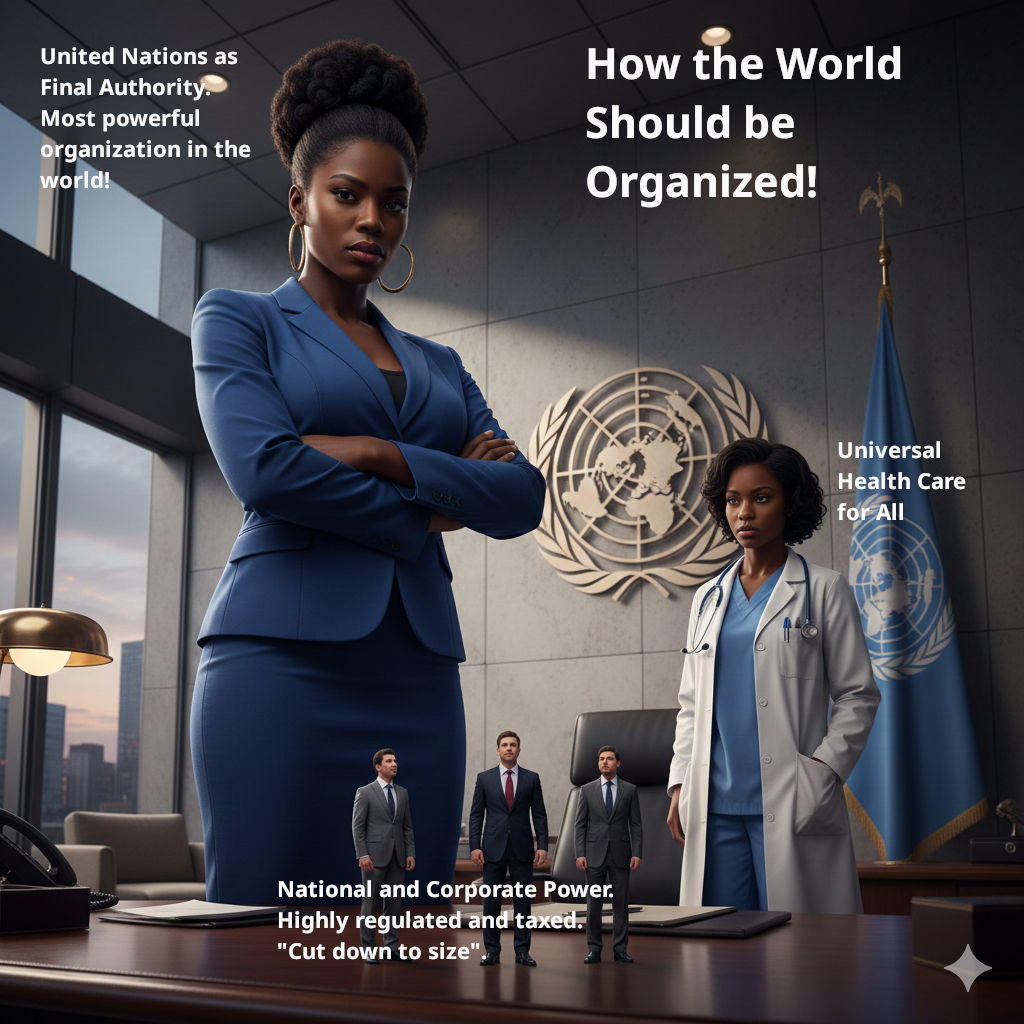
The Looming Crisis: Expiring ACA Subsidies and the Moral Mandate for Universal Care
As of January 2026, the United States stands at a precarious health care crossroads. The expiration of the enhanced premium tax credits—originally enacted during the pandemic and extended through 2025—has begun to trigger a massive financial shock for millions of Americans. For many, the “subsidy cliff” is no longer a theoretical policy debate; it is a monthly bill that has doubled or tripled overnight. As the nation moves toward the next federal election cycle, the urgency to transform this temporary fix into a permanent, universal right has never been greater.
The Financial Toll of Inaction
The enhanced subsidies under the Affordable Care Act (ACA) served as a vital bridge, bringing the national uninsured rate to historic lows. However, with these credits expiring at the end of 2025, the impact on the American public is staggering:
- Massive Premium Hikes: According to the Kaiser Family Foundation (KFF), subsidized enrollees are seeing their premiums increase by an average of 114% in 2026.
- Coverage Loss: Projections from the Urban Institute suggest that approximately 4.8 million people will drop their insurance entirely because they can no longer afford the monthly cost.
- The “Subsidy Cliff”: Middle-income families, who previously saw their premiums capped at 8.5% of their income, are now facing the full brunt of market rates, which can consume a quarter of a household’s take-home pay for older couples.
For a gig worker or a small business owner, this isn’t just a budget adjustment; it is a choice between maintaining health coverage and paying for housing or groceries.
A Political Window: The Midterm Mandate
The current legislative gridlock has left millions in limbo, but the upcoming midterm elections offer a potential reset. If a firm majority dedicated to health care reform is established, the window for systemic change opens.
History shows that incrementalism often leaves the most vulnerable behind. Rather than simply renewing temporary subsidies every few years, a decisive majority would have the opportunity to push for Universal Health Insurance. Whether through a “public option” that competes with private insurers or a more comprehensive single-payer framework, the goal must be to decouple health care from employment and fluctuating tax credits. Health care is a fundamental right, not a privilege reserved for those who can navigate the complexities of a volatile marketplace.
The Global Perspective: The UN and the Right to Health
The United States remains an outlier among industrialized nations. The United Nations Universal Declaration of Human Rights (Article 25) clearly states that “everyone has the right to a standard of living adequate for… health and well-being… including medical care.” Furthermore, the UN’s Sustainable Development Goals (SDG 3.8) call for universal health coverage for all by 2030.
There is a powerful argument to be made that the UN should hold the U.S. more strictly to these charters. When the United States advocates for human rights abroad while millions of its own citizens skip life-saving insulin due to cost, its ethical influence is compromised.
“A nation that takes better care of its own people at home wields far more moral authority on the world stage.”
If the U.S. were to adopt a national health insurance model, it would not only improve the longevity and productivity of its workforce but also revitalize its standing as a global leader in human rights.
Summary of Projected Impact (2026)
| Metric | Impact |
| Average Premium Increase | 114% |
| People Losing Coverage | ~4.8 Million |
| Uncompensated Care Costs | +$7.7 Billion for Providers |
| Vulnerable Populations | 60+ age group and low-income families hit hardest |
The expiration of these subsidies is a symptom of a fractured system. The path forward requires more than a temporary patch; it requires a fundamental shift in how we value human life over corporate profit.
2 replies on “Health Care Must be Given to Everyone”
As we see premiums skyrocket and more Americans lose coverage, it’s becoming impossible to ignore the need for universal healthcare. The ACA subsidies were a bandaid, but we need a permanent solution that benefits everyone.
Yes…this has to be done, universal health care for all. The more we have international law, the more money is left for social issues such as healthcare. Thanks for the comment.