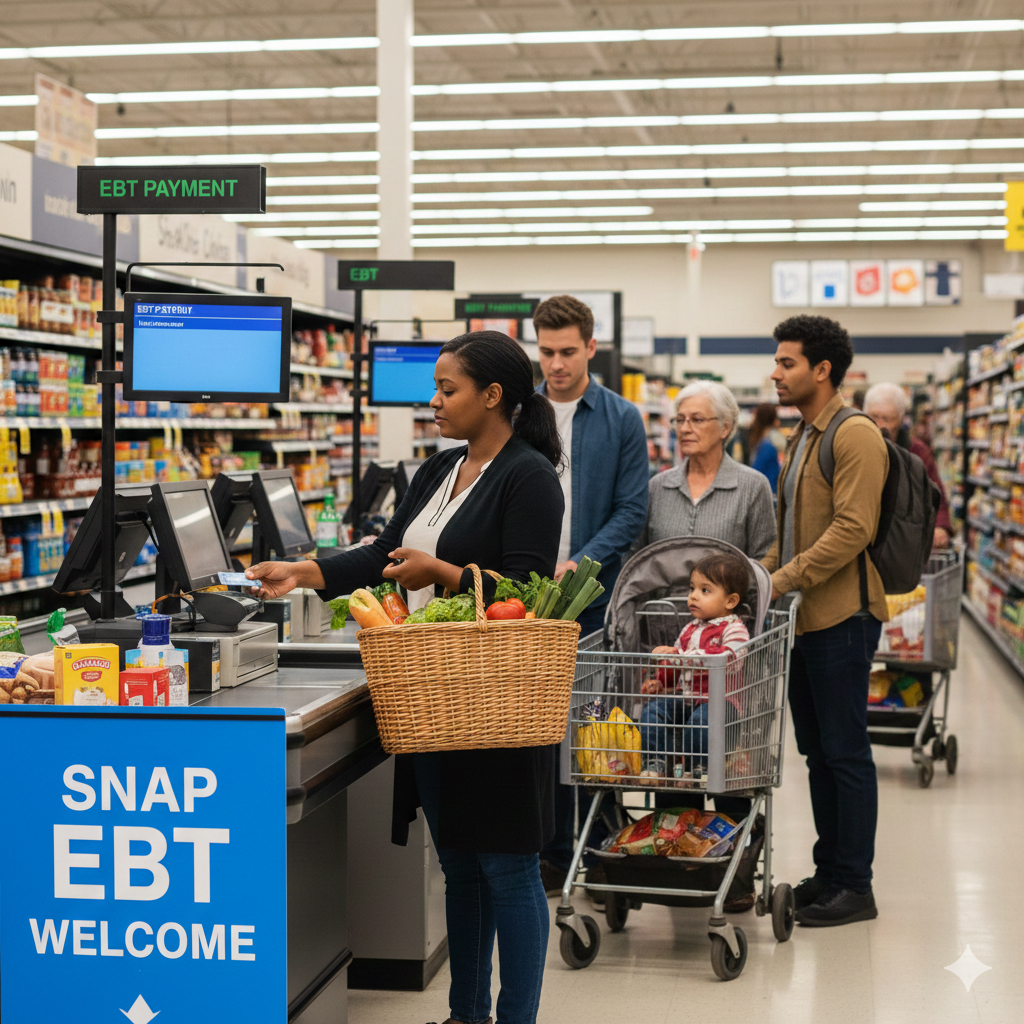
The shift toward restricting Supplemental Nutrition Assistance Program (SNAP) benefits to exclude “junk food” like candy and soda is an initiative that, on the surface, appears to align with the goal of improving public health. Proponents argue that taxpayer dollars should prioritize nutrition over empty calories. However, a closer look at the current implementation reveals that these changes—spearheaded by the Trump administration through broad state-level waivers—may be more disruptive than beneficial. While promoting healthy eating is a noble goal, the current approach lacks sufficient scientific backing, threatens the economic stability of retailers, and risks raising food prices for all consumers.
The Need for Scientific Rigor
The most significant issue with the current restrictions is the lack of robust, peer-reviewed research to guide them. Nutrition science is complex; simply labeling a category like “soda” or “candy” as the primary driver of obesity ignores the broader context of diet quality and food access.
- Arbitrary Categorization: Current policies often lack clear definitions. For example, some states restrict fruit juices with less than 50% juice while allowing other sugary processed snacks, creating an inconsistent framework that lacks a clear health logic.
- The “WIC” Fallacy: Some argue SNAP should mirror the WIC program (Women, Infants, and Children), which is highly restrictive. However, experts point out that WIC is a specialized health intervention for specific life stages, whereas SNAP is a broad anti-hunger program designed to function within a free-market economy.
To be truly effective, food restrictions must be designed by nutrition professionals and public health researchers rather than political appointees. Critics of the current administration argue that officials like Health Secretary Robert F. Kennedy Jr. and Agriculture Secretary Brooke Rollins are prioritizing a “Make America Healthy Again” (MAHA) political agenda over the nuanced, data-driven strategies recommended by career health scientists.
Economic Impact on Retailers and Consumers
Implementing these restrictions is not as simple as flipping a switch; it requires a massive overhaul of the retail infrastructure.
- Implementation Costs: Estimates suggest that upfront costs for retailers to update Point-of-Sale (POS) systems, train staff, and manage inventory could reach $1.6 billion. Ongoing annual costs are projected at over $750 million.
- The Burden on Small Business: Large chains like Walmart may absorb these costs, but small, rural grocers and independent bodegas—which often operate on razor-thin margins—may find the compliance costs insurmountable.
- Price Hikes for All: When retailers face significant new operational expenses, those costs are inevitably passed down to the consumer. If a local grocer has to spend thousands on software updates and extra labor to police SNAP purchases, the price of milk, bread, and eggs could rise for every shopper in the store.
Operational Chaos at the Checkout
Beyond the macroeconomics, there is a human cost. Restricting specific items state-by-state creates a “patchwork” of rules that causes confusion at the register.
- Checkout Delays: If a SNAP recipient accidentally picks up a “restricted” item, it triggers a “transaction declined” message, forcing the cashier to manually intervene. This creates long lines and fosters social stigma against low-income families.
- Retailer Withdrawal: Facing potential penalties and administrative headaches, some retailers may choose to stop accepting SNAP altogether, creating “food deserts” in communities that rely on them most.
Conclusion
Improving the nutritional quality of the American diet is a vital mission, but it cannot be achieved through a rushed, top-down mandate. Effective policy would focus on incentives—such as doubling the value of SNAP benefits when used for fresh produce—rather than punitive restrictions. Until there is a strategy led by qualified nutrition professionals and supported by economic impact studies, these sudden changes risk harming the very people they are intended to help.