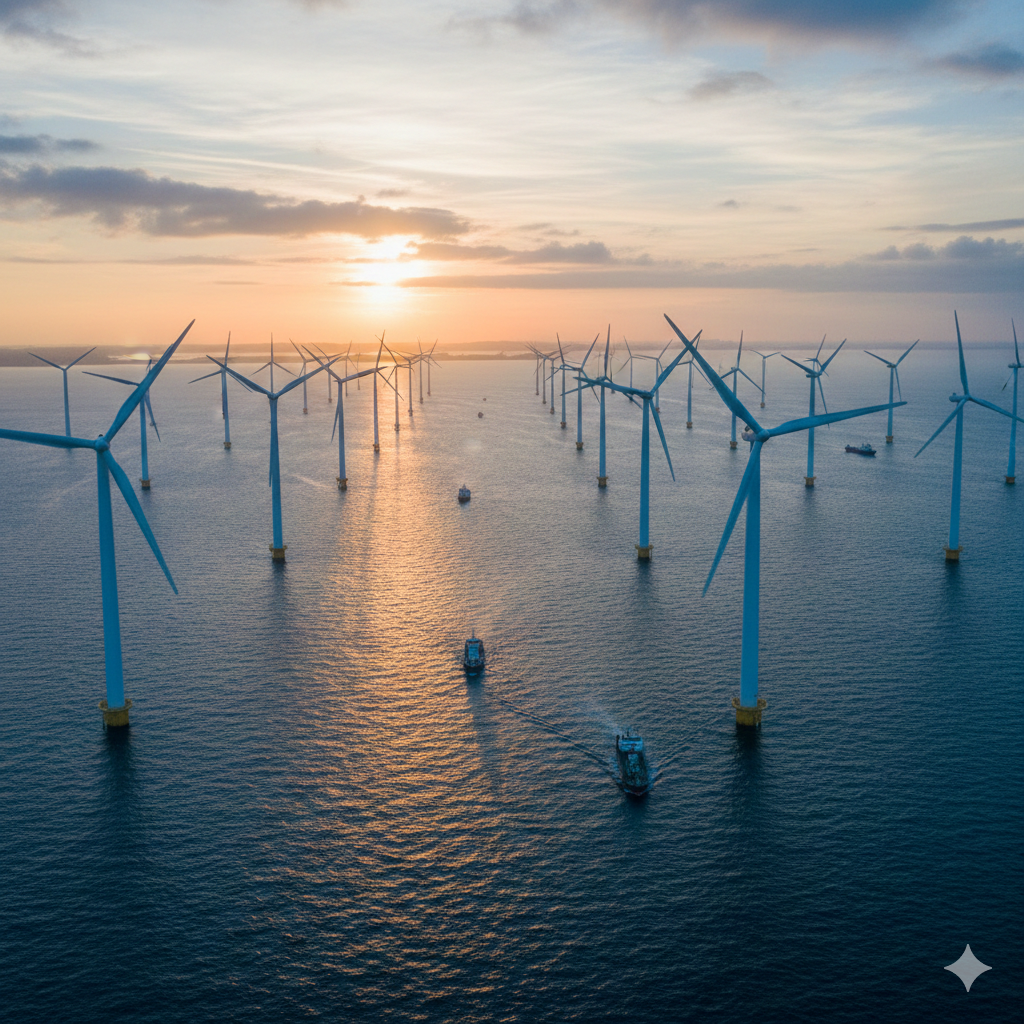
The recent decision by the Trump administration to suspend five major offshore wind projects along the East Coast marks a significant retreat from the pursuit of a sustainable energy future. Citing “national security risks” identified in classified reports, the administration has halted nearly completed projects like Vineyard Wind 1 and Revolution Wind. While the government emphasizes the potential for turbine interference with military radar, this justification appears to be a thin veil for a broader ideological preference for fossil fuels. By prioritizing opaque security concerns over clear environmental and economic benefits, this suspension undermines American energy independence, stifles job growth, and delays the urgent transition to clean energy.
The Vagueness of “National Security”
The administration’s primary argument rests on the idea that the movement of massive turbine blades creates “radar clutter,” making it difficult for the military to detect threats. While it is true that large structures can influence radar, critics and industry experts point out that these specific projects underwent years of rigorous review by the Department of Defense and the Coast Guard during the permitting process.
- Existing Mitigation: Most projects already have mitigation agreements with the Air Force and Navy.
- Classified Justification: By relying on “classified reports,” the administration avoids public scrutiny and fails to explain why these risks are only being deemed “insurmountable” now, after billions of dollars have already been invested.
- Selective Application: Notably, the administration has simultaneously accelerated offshore oil and gas leasing, which involves its own set of navigational and security complexities, suggesting that the “security risk” is being applied selectively to renewable energy.
Economic and Energy Fallout
The suspension of these projects is not just an environmental setback; it is an economic self-inflicted wound. At a time when energy demand is surging due to the rise of artificial intelligence and data centers, removing gigawatts of planned clean power from the grid is counterproductive.
| Project | Location | Impact |
| Vineyard Wind 1 | Massachusetts | Halts a project already providing power to 200,000 homes. |
| Coastal Virginia Offshore Wind | Virginia | Threatens the largest offshore project in the U.S. and 176 planned turbines. |
| Revolution Wind | Rhode Island | Risks thousands of union jobs and nearly completed infrastructure. |
Beyond the lost power, the decision creates a “chilling effect” on global investors. Companies like Ørsted and Equinor have seen their stock prices tumble, signaling to the international community that the U.S. is an unstable partner for long-term infrastructure projects. This instability pushes investment and technological leadership toward Europe and China, leaving the American workforce behind.
The Environmental Imperative
The most profound cost of this suspension is to the planet. Offshore wind is a cornerstone of the East Coast’s strategy to meet climate goals and reduce reliance on aging, polluting coal and gas plants. Unlike fossil fuels, wind energy provides a domestic, infinite resource that does not fluctuate based on global oil markets or geopolitical conflicts in the Middle East. By “kneecapping” the wind industry, the administration is effectively choosing to prolong the era of carbon emissions, despite the increasing frequency of extreme weather events that threaten the very national security the administration claims to protect.
Conclusion
Suspending offshore wind projects based on vague, eleventh-hour security claims is a step backward for the United States. It prioritizes political optics over scientific and economic reality. To truly secure the nation, the government should be diversifying the energy grid and fostering the industries of the future, not sabotaging them. Clean energy is not a “scam” or a luxury; it is a necessity for a stable, prosperous, and secure American future.