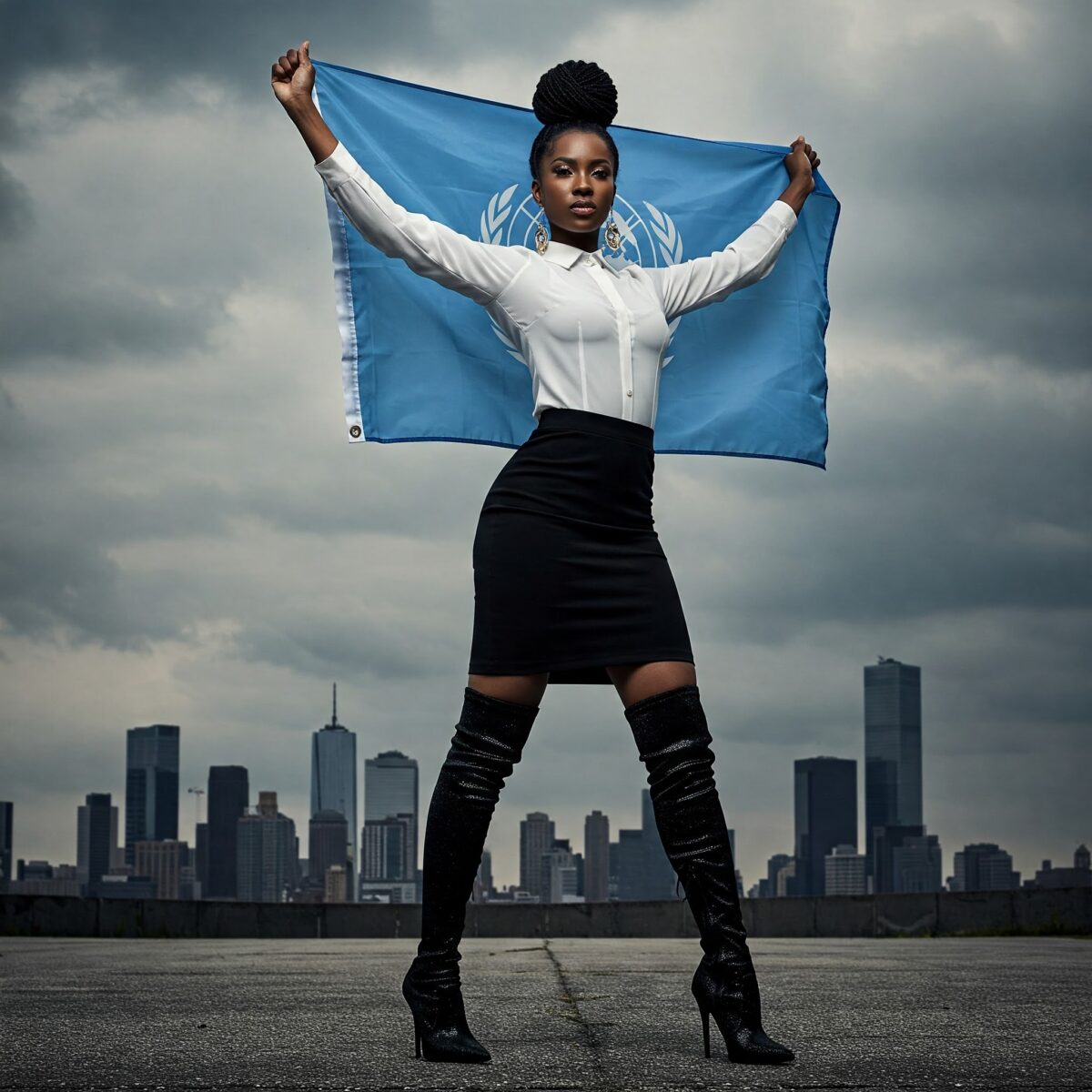
The Case for a Sovereign United Nations: Enforcing Global Democracy
The United Nations’ strong condemnation of the military coup in Guinea-Bissau, where elected authorities were overthrown mere days after national elections, highlights a critical paradox in modern international relations. While the UN successfully establishes and articulates universal norms of democratic governance and constitutional order, its power to enforce these principles remains fundamentally hobbled. The diplomatic warnings and expressions of “grave violation” issued by the UN, while morally necessary, are ultimately hollow without the teeth to reverse the actions of military juntas and dictators. This gap between moral authority and military capacity reveals a profound structural flaw, compelling the argument that the UN requires substantially increased global sovereignty, its own independent military force, and an empowered Secretary-General capable of becoming the world’s singular most powerful executive.